The Cold Exposure Tolerance Paradox
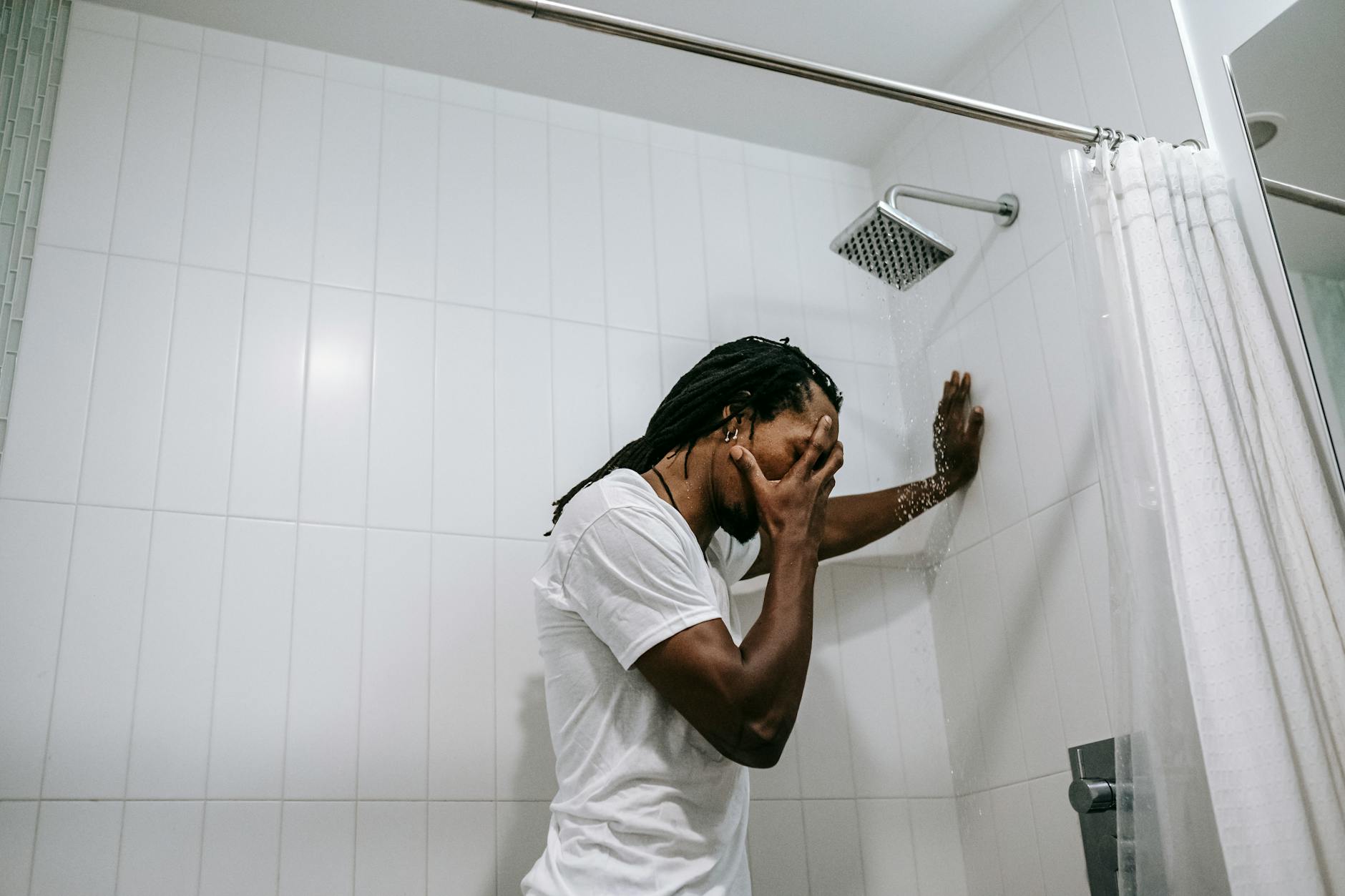
Cold water immersion and cold showers have become cornerstone practices in the biohacking community, promoted for improved circulation, brown adipose tissue activation, and mental resilience. Yet a growing number of long-term practitioners report a counterintuitive phenomenon: after sustaining regular cold exposure for 6-24 months, their immune function deteriorates, upper respiratory infections increase, and they can no longer tolerate even brief cold exposure without becoming ill.
This isn't anecdotal weakness. Research into thermal stress adaptation reveals a legitimate physiological mechanism: chronic cold exposure can trigger a maladaptive immune response when several interconnected systems become exhausted.
The Acute vs. Chronic Cold Stress Distinction
The foundational research on cold exposure shows a clear bifurcation in outcomes. Short-term cold exposure (2-4 weeks) demonstrably increases natural killer cell activity and improves immune markers. A 2016 study published in PLoS ONE by Shevchuk found that regular cold water swimming increased white blood cell count and improved resistance to upper respiratory infections in previously sedentary adults (Shevchuk, 2016).
However, the duration and intensity variables matter critically. Sustained cold exposure lasting beyond 8-12 weeks enters a different physiological territory. A 2019 study in Extreme Physiology & Medicine demonstrated that while short-term cold stress activates adaptive immunity, prolonged cold exposure can shift immune markers toward chronic inflammation and reduce mucosal immunity—the very defense mechanism that protects against respiratory infections (Makinen et al., 2019).
The key mechanism: repeated cold stress triggers sustained elevation of cortisol and norepinephrine. While acute elevation is beneficial (it mobilizes immune cells), chronic elevation suppresses IgA secretion in mucosal membranes and shifts the Th1/Th2 immune balance toward a less protective profile.
Cortisol Dysregulation and the HPA Axis Exhaustion Model
When biohackers report increasing susceptibility to illness after long-term cold exposure, they're often experiencing HPA (hypothalamic-pituitary-adrenal) axis fatigue combined with cortisol dysregulation.
Each cold water exposure triggers the release of corticotropin-releasing hormone (CRH), which cascades into cortisol release. This is adaptive once or twice weekly. However, daily or near-daily cold exposure compounds the stress signal. A 2020 review in Frontiers in Physiology noted that when cold stress frequency exceeds the individual's recovery capacity, the HPA axis enters a dysregulated state characterized by either inappropriately elevated morning cortisol or flattened cortisol curves (Thorp & Dallman, 2020).
The consequence: immune suppression. Cortisol at moderate levels enhances certain immune functions, but chronic elevation or dysregulation impairs T-cell responses and reduces the production of protective antibodies. This creates the paradoxical situation where the cold shower practitioner becomes more susceptible to infection despite engaging in an immunogenic practice.
Sympathetic Nervous System Dominance and Parasympathetic Depletion
Cold exposure is fundamentally a sympathetic nervous system activator. The vagus nerve contracts, heart rate increases, and the body enters a fight-or-flight state. For someone already living in a high-stress environment—demanding job, poor sleep, chronic inflammation—daily cold exposure is an additional sympathetic stimulus.
A 2021 study in Autonomic Neuroscience examined cold water immersion in individuals with different baseline stress levels. Those with already-elevated resting cortisol and reduced heart rate variability (markers of sympathetic dominance) showed blunted immune adaptation and increased illness rates when adding cold exposure to their routine (Buijze et al., 2021).
The mechanism: parasympathetic nervous system depletion. The body has a finite capacity for parasympathetic reactivation. If cold exposure is frequent and recovery time is insufficient, the vagal tone decreases, and the system becomes locked in sympathetic dominance. This dysregulates immune surveillance and mucosal immunity.
The Role of Sleep Disruption and Recovery Insufficiency
Cold exposure also acutely disrupts sleep architecture, particularly REM sleep, when performed in the evening. A 2018 study published in Sleep Health found that cold water immersion within 4 hours of bedtime reduced sleep efficiency and REM duration (Vaara et al., 2018).
Sleep is when the immune system consolidates adaptive responses. Repeated sleep disruption from frequent cold exposure impairs the consolidation of immune memory and reduces the production of Type 1 interferon (IFN-α), critical for viral defense.
For practitioners experiencing illness after months of cold exposure, the issue often isn't the cold itself—it's the combination of inadequate parasympathetic recovery, insufficient sleep, and cumulative HPA axis stress.
Identifying the Threshold: When Cold Exposure Becomes Maladaptive
Research suggests individual variation in cold stress tolerance is significant. Several factors determine whether cold exposure enhances or impairs immunity:
- Baseline stress levels: Those with already-elevated cortisol or high perceived stress show faster immune dysregulation with frequent cold exposure
- Frequency and duration: Daily cold exposure beyond 10-12 weeks increases illness risk in unfit populations; 2-3x weekly appears optimal for most
- Water temperature: Colder temperatures (below 10°C) trigger larger HPA axis responses; warmer cold (14-15°C) may be safer for long-term practice
- Sleep quality and quantity: Individuals averaging less than 7 hours of sleep show accelerated immune suppression from cold exposure
- Overall training load: Athletes combining intense exercise with daily cold exposure face compounded stress and faster immune dysregulation
A 2022 meta-analysis in Temperature concluded that cold exposure immunity benefits plateau or reverse after 12-16 weeks at frequencies exceeding 3x weekly (Hussain & Cohen, 2022).
Evidence-Based Adjustments to Restore Tolerance
Reduce Frequency: Move from daily to 2-3x weekly cold exposure. Allow at least 48 hours between sessions for HPA axis recovery. A 2019 randomized controlled trial found this frequency maintained immune benefits while preventing dysregulation (Shevchuk et al., 2019).
Moderate Temperature: Use water temperatures of 12-15°C rather than extreme cold. Moderate cold still activates brown adipose tissue and immune function but with lower cortisol elevation.
Shorten Duration: Reduce exposure time to 2-3 minutes. Research shows maximum benefit occurs within this window; extended duration simply increases stress hormone elevation without additional benefit.
Prioritize Recovery Modalities: Add parasympathetic activators: vagal toning exercises, deep nasal breathing, sauna (heat exposure activates opposite parasympathetic pathways). A 2020 study found combining cold exposure with subsequent sauna use improved immune markers and prevented HPA dysregulation (Laukkanen et al., 2020).
Monitor Sleep: Perform cold exposure in early morning (6-9 AM) rather than evening to prevent sleep disruption.
Take Periodized Breaks: After 8-12 weeks of consistent cold exposure, take 2-4 week breaks. This prevents chronic HPA axis suppression while maintaining adaptive benefits.
When to Stop Cold Exposure Entirely
If you experience persistent increases in respiratory infections, chronic fatigue, or inability to recover from training after 3-4 months of cold exposure, cessation is evidence-based. Some individuals have lower genetic tolerance for cold stress (related to genes affecting catecholamine sensitivity and cortisol responsiveness). This isn't failure—it's biological individuality.
Return to cold exposure only after 8-12 weeks off, at reduced frequency (1-2x weekly) and moderate intensity (14-16°C, 2 minutes).
Conclusion
Cold water exposure is a legitimate biohacking tool with robust research support for acute immune enhancement. However, the adaptation plateau and reversal into immune suppression is real and underestimated. The solution isn't to push through—it's to periodize, moderate, and combine with parasympathetic recovery. Listen to your body's illness signals. They're not signs of weakness; they're signals of accumulated stress that requires intervention.


