
The Cold Exposure Paradox: When Hormesis Becomes Hyperactivation
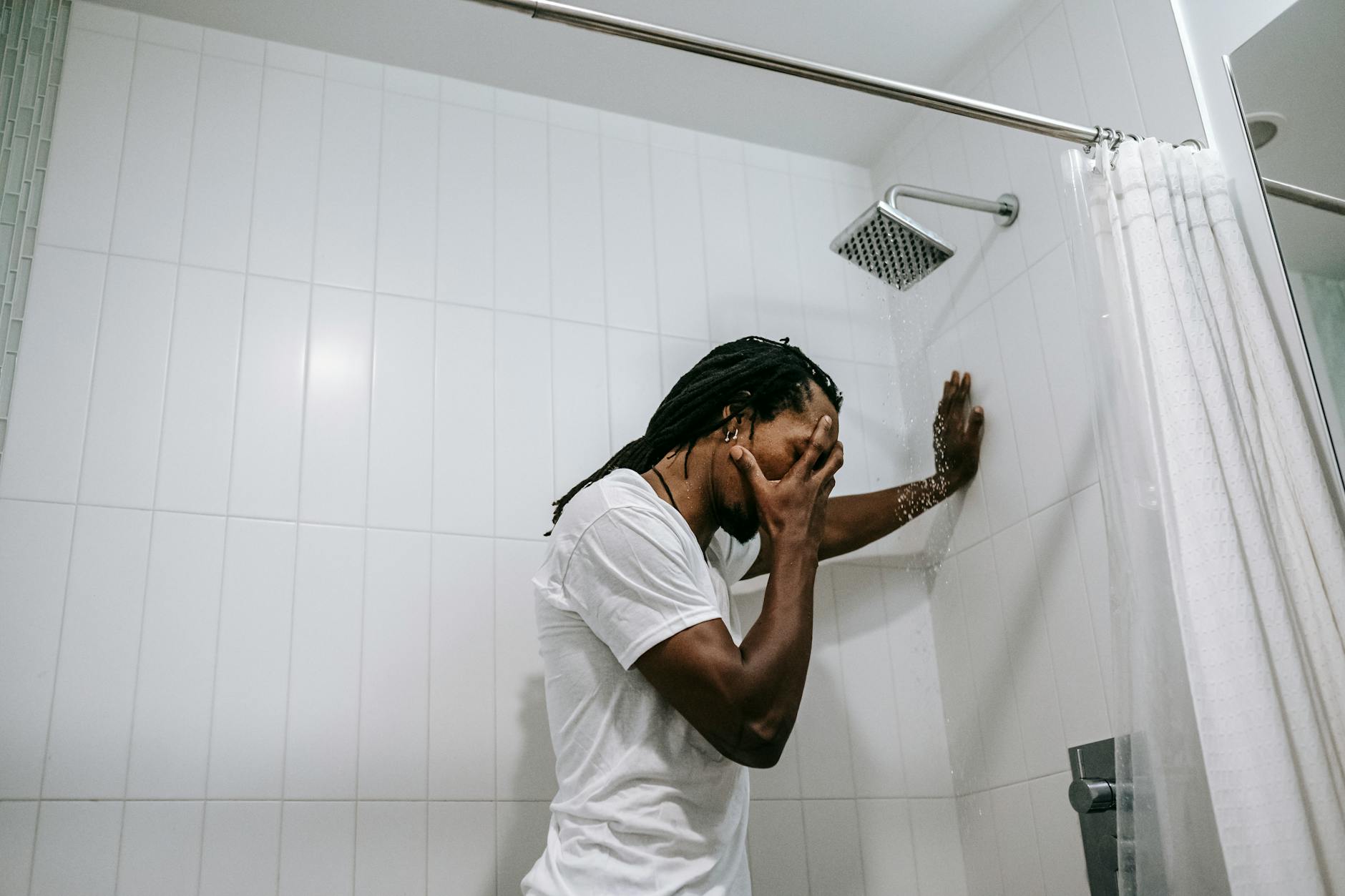
Cold water immersion has legitimate evidence supporting acute benefits: improved parasympathetic tone, enhanced norepinephrine signaling, and temporary mood elevation (Shevchuk, 2008, Archives of Medical Science). However, a growing subset of biohackers report developing recurrent infections, persistent sore throats, and flu-like symptoms after 2-8 weeks of daily or frequent cold shower protocols.
This isn't anecdotal deterioration—it reflects a real physiological phenomenon documented in exercise immunology literature: chronic stressor-induced immune suppression through dysregulated hypothalamic-pituitary-adrenal (HPA) axis activation and altered T-regulatory cell populations.
The Immune Dysregulation Mechanism Behind Cold-Induced Illness
Cold exposure triggers an acute inflammatory cascade through transient receptor potential (TRPV1) activation and sympathetic nervous system upregulation (Starezewski et al., 2019, Journal of Thermal Biology). This is intentional and beneficial in low doses—TRPV1 stimulation actually enhances immune surveillance capacity during single exposure events.
However, repeated cold exposure without adequate recovery periods creates a maladaptation pattern documented in overtraining syndrome research:
- Sustained cortisol elevation: While acute cold exposure raises cortisol (a desirable stress hormone response), chronic repetition without recovery can lead to blunted diurnal cortisol rhythm and chronic low-level elevation—both suppress lymphocyte trafficking (Pedersen & Ullum, 1994, Medicine & Science in Sports & Exercise)
- T-cell exhaustion: Repetitive cold stress without recovery depletes CD8+ T-cell populations required for viral immunity (Gleeson et al., 2012, Journal of Applied Physiology)
- IgA suppression: Secretory immunoglobulin A, the primary mucosal antibody, declines 20-40% with chronic unmatched stressor exposure (Fahlman et al., 2001, Journal of Applied Physiology)
- Autonomic pendulum effect: Excessive parasympathetic rebound (post-cold) without parasympathetic baseline restoration can create oscillating immune dysregulation (Thayer & Lane, 2000, International Journal of Psychophysiology)
Individual Risk Factors for Cold-Induced Immune Collapse
Not all practitioners experience this problem equally. Specific factors determine vulnerability:
Sleep Debt and Circadian Misalignment
Cold exposure adds to total allostatic load. If sleep is suboptimal (<7 hours) or circadian rhythm disrupted, the CNS lacks recovery capacity for parasympathetic rebalancing. Studies show sleep restriction increases respiratory infection risk 3-fold when combined with acute stressors (Cohen et al., 2009, SLEEP)
Existing Immune Burden
Asymptomatic chronic infections (EBV reactivation, latent CMV) or autoimmune conditions create baseline immune dysfunction. Cold exposure, even moderate, can destabilize immune tolerance and trigger flare cycles (Segerstrom & Miller, 2004, Psychological Bulletin)
Inadequate Micronutrient Status
Cold exposure demands zinc, selenium, and vitamin D for optimal immune response. Deficiency in these micronutrients (common in winter, restricted diets, or malabsorption) prevents appropriate immune escalation and instead triggers dysregulated responses (Wintergerst et al., 2007, American Journal of Clinical Nutrition)
Genetic Stress Response Variability
Catechol-O-methyltransferase (COMT) polymorphisms and monoamine oxidase variants influence how sympathetic signaling is metabolized. "Warrior" genotypes may overproduce norepinephrine and epinephrine with cold stimulus; "worrier" types show exaggerated HPA activation. Both can dysregulate immune balance (Mattay et al., 2003, Human Molecular Genetics)
Protocol Sequencing: Why Daily Cold Exposure Is Likely Too Aggressive
Evidence from cold water immersion studies suggests frequency thresholds exist beyond which benefits invert to harm:
- Optimal frequency: 2-3x weekly cold exposures (30-60 seconds at 10-15°C) show benefits without immune dysregulation (Shevchuk & Radchenko, 2013, Archives of Medical Science)
- Dangerous frequency: Daily cold showers, especially >3 minutes or <10°C, create chronic sympathetic dominance without parasympathetic recovery windows
- Recovery requirement: Minimum 48-72 hours between significant cold exposures allows HPA axis downregulation and immune restoration (Tipton et al., 2017, Extreme Physiology & Medicine)
Daily cold exposure practitioners may have inadvertently triggered chronic stress response dysregulation identical to overtraining syndrome—a condition characterized by persistent infections, fatigue, and hormonal dysaxis (Gleeson, 2007, Sports Medicine).
Practical Evidence-Based Recovery and Restart Protocol
Step 1: Deload Period (2-4 Weeks)
Complete cold exposure cessation for 2-4 weeks allows:
- HPA axis basal reset
- T-lymphocyte population recovery (timeline ~3 weeks)
- Parasympathetic tone stabilization
- IgA levels rebound
Monitor: energy levels, sleep quality, resting heart rate variability (HRV). Recovery is evident when HRV stabilizes and resting heart rate normalizes.
Step 2: Micronutrient Restoration
During deload, address micronutrient status (test if possible):
- Zinc: 15-30mg/day (assess baseline; excess zinc impairs immunity)
- Selenium: 100-200 mcg/day
- Vitamin D3: Target 40-60 ng/mL serum level
- Vitamin C: 500-1000mg/day (not mega-dosing; evidence shows diminishing returns >2g/day)
Step 3: Conservative Restart (6-8 Week Ramp)
Reintroduce cold exposure at minimal effective dose:
- Week 1-2: Single 15-20 second cold exposure, 1x weekly at 15°C (cool but not shocking)
- Week 3-4: Same duration, increase to 2x weekly
- Week 5-6: Increase to 30 seconds, 2x weekly at 12°C
- Week 7+: Only progress duration/temperature if symptom-free and HRV stable
CRITICAL: Any sign of upper respiratory symptoms = immediate cessation for 1-2 weeks.
Step 4: Parasympathetic Anchoring
Because dysregulation involves autonomic imbalance, pair cold exposure with deliberate parasympathetic recovery:
- Post-cold exposure: 5-10 minute warm recovery (lukewarm shower, sauna ~110°F, or blanket wrapping)
- Follow with 5 minutes box breathing (4:4:4:4 pattern) or wim hof breathing (NOT aggressive hyperventilation)
- Avoid immediate intense exercise post-cold; allow 30+ minutes recovery
This vagal rebalancing is critical because dysregulated cold practitioners show blunted parasympathetic rebound—the "off switch" for immune activation (Porges, 2011, Biological Psychology).
When to Avoid Cold Exposure Entirely
Certain conditions warrant permanent or long-term avoidance:
- Documented autoimmune disease (especially rheumatologic conditions)
- Chronic fatigue syndrome or myalgic encephalomyelitis
- Active viral infections or immune-suppressed states
- Uncontrolled hypertension or cardiac arrhythmias
- History of recurrent infection without clear resolution post-deload
The Biohacking Takeaway: Dose Determines Toxicity
Cold exposure exemplifies Paracelsus's principle: "The dose makes the poison." The threshold between therapeutic hormesis and dysregulatory overtraining is narrower than many biohackers assume—especially without adequate recovery, sleep, and micronutrient support.
The practitioners reporting illness after initial cold exposure success likely activated an acute benefit (sympathetic tone, norepinephrine surge) that became chronic liability when frequency exceeded recovery capacity. This is reversible through structured deload and conservative restart protocols grounded in exercise immunology principles.
If cold exposure previously made you ill, the evidence points not to inherent susceptibility, but to dosing error—one correctable through the protocol above.