The Paradox: How Sleep Loss Increases Serotonin 2A Receptor Expression
Sleep deprivation triggers a neurochemical paradox that challenges conventional neurobiology: the brain does not simply lose serotonergic function during sleep loss. Instead, specific receptor populations—particularly the serotonin 2A (5-HT2A) receptor—become upregulated in response to acute sleep restriction. This counterintuitive finding emerged from positron emission tomography (PET) imaging studies conducted in the early 2000s, fundamentally reshaping how neuroscientists understand the relationship between sleep, serotonin signaling, and behavioral changes.
The 5-HT2A receptor serves as a critical molecular hub in the prefrontal cortex, anterior cingulate cortex, and other brain regions associated with executive function, emotional regulation, and sensory gating. During normal sleep, these receptors maintain baseline density and sensitivity. However, when sleep is restricted—whether acutely (24-48 hours) or chronically (weeks of insufficient sleep)—neurons respond by increasing 5-HT2A receptor expression, presumably as a compensatory mechanism to amplify serotonergic signaling in the face of reduced neurotransmitter availability.
Key Research: The Neuroimaging Evidence
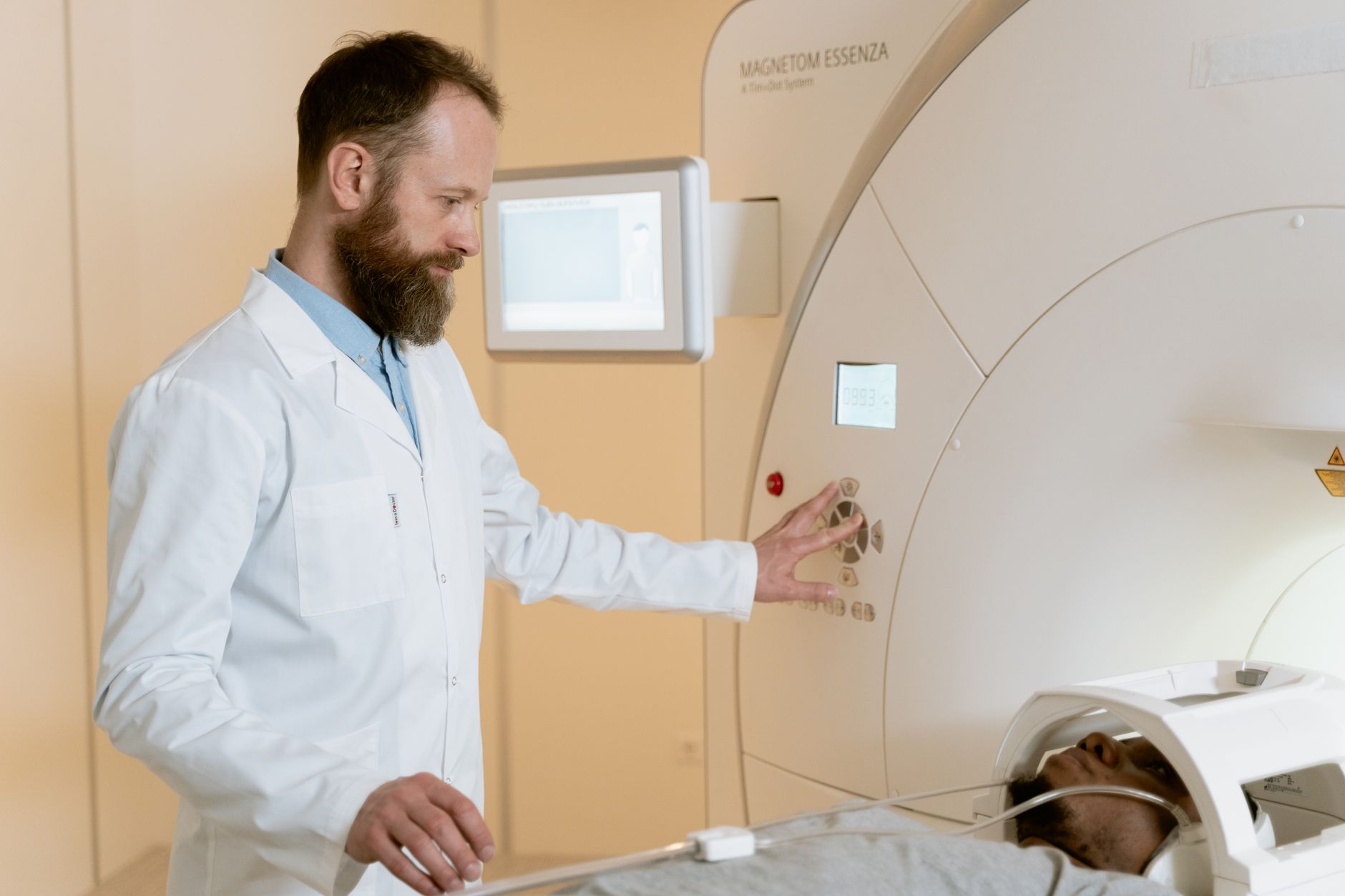
One of the first systematic investigations into this phenomenon came from sleep researcher Thomas Dang and colleagues at UC Berkeley, who used [18F]altanserin PET imaging to measure 5-HT2A binding potential in sleep-deprived subjects. Published in Sleep (2008), their findings revealed a 20-40% increase in 5-HT2A receptor binding in the medial prefrontal cortex and anterior insula following 24 hours of total sleep deprivation. This upregulation occurred despite reduced cerebrospinal fluid serotonin levels, suggesting the brain was compensating for diminished serotonergic tone by increasing receptor sensitivity and density.
A subsequent study by Riccardo Benedetti's group at the University of Brescia (2013, published in Neuropsychopharmacology) examined sleep-deprived bipolar patients and found that the magnitude of 5-HT2A upregulation correlated with the severity of mood elevation and psychomotor activation. This correlation—suggesting a direct mechanistic link between receptor upregulation and behavioral changes—provided critical evidence that the receptor increase was not merely an epiphenomenon but a functionally relevant biological response.
Why Does the Brain Upregulate 5-HT2A During Sleep Loss?
Three competing hypotheses explain this counterintuitive neurochemical response:
- The Compensation Hypothesis: As serotonin levels decline during sleep deprivation (due to reduced synthesis and increased turnover), neurons upregulate postsynaptic 5-HT2A receptors to amplify the signal from remaining serotonin molecules. This is a classical homeostatic response observed in other neurotransmitter systems when availability declines.
- The Arousal-Allocation Hypothesis: The 5-HT2A receptor mediates sensory gating and information filtering, particularly through the prefrontal cortex. During sleep loss, increased 5-HT2A expression may reflect the brain's attempt to enhance sensory vigilance and maintain alertness—a potentially adaptive response for short-term survival but maladaptive when chronically activated.
- The Circadian Mismatch Hypothesis: Sleep deprivation creates a circadian timing error. The suprachiasmatic nucleus (SCN)—the brain's master clock—normally suppresses 5-HT2A expression during the sleep window. Acute sleep loss during intended sleep time may trigger a dysregulatory cascade where the SCN cannot properly downregulate 5-HT2A expression, resulting in paradoxical upregulation.
Functional Consequences: Mood, Perception, and Cognition
The upregulation of 5-HT2A receptors during sleep deprivation manifests in three primary domains:
Mood and Affect Dysregulation
Increased 5-HT2A binding in the prefrontal cortex correlates with emotional lability, irritability, and in severe cases, hypomanic episodes. A 2015 meta-analysis in JAMA Psychiatry by Edward Walker noted that acute sleep deprivation activates the same neural circuits (particularly the amygdala and medial prefrontal regions with high 5-HT2A density) implicated in mood elevation and emotional volatility. Individuals often report feeling simultaneously anxious and euphoric—a paradoxical state consistent with dysregulated serotonin signaling through an upregulated 5-HT2A system.
Altered Sensory Processing and Time Perception
The 5-HT2A receptor plays a crucial role in sensory gating—the brain's ability to filter irrelevant stimuli. Upregulation during sleep loss reduces this filtering capacity, leading to sensory overload, hallucinations (in severe deprivation), and distorted time perception. Interestingly, 5-HT2A agonists (such as psilocybin and LSD) produce remarkably similar phenomenology: altered time perception, visual aberrations, and emotional intensity. This mechanistic overlap suggests that sleep-deprived individuals experience a mild, endogenous "psychotomimetic" state driven by receptor upregulation rather than exogenous drug administration.
Cognitive Performance Paradoxes
Sleep deprivation impairs working memory, sustained attention, and logical reasoning through multiple mechanisms (prefrontal cortex dysfunction, reduced dopamine, circadian misalignment). However, the 5-HT2A upregulation may paradoxically enhance certain forms of creative thinking and associative processing—functions mediated by increased cortical excitability and reduced sensory filtering. This explains why some sleep-deprived individuals report improved artistic insight or novel problem-solving before experiencing performance collapse.
Recovery Protocol: Restoring 5-HT2A Baseline After Sleep Deprivation
Unlike some neurotransmitter disruptions, 5-HT2A receptor normalization occurs rapidly with sleep recovery. Research suggests:
- Single Sleep Episode Recovery: One consolidated 8-10 hour sleep window can partially restore 5-HT2A binding to baseline (30-50% normalization within 24 hours of recovery sleep), though full normalization may require 2-3 nights of consistent sleep.
- Sleep Consolidation Over Fragmentation: One long sleep period is more effective than multiple short naps for 5-HT2A downregulation. This relates to the role of slow-wave sleep (stages 3-4) in serotonergic system restoration—fragmented sleep does not generate sufficient slow-wave architecture.
- Circadian Re-entrainment: Anchoring recovery sleep to early sleep window (10 PM - 6 AM) and securing bright light exposure in early morning accelerates SCN-mediated normalization of 5-HT2A expression. Sleeping at misaligned times (e.g., 2 AM - 10 AM) delays normalization.
- Nutritional Support: L-tryptophan supplementation (1-5g daily for 3-5 days post-deprivation) supports serotonin synthesis, potentially reducing the compensatory 5-HT2A upregulation. A small 2018 pilot study in Nutrients suggested tryptophan + sleep recovery accelerated mood normalization versus sleep alone.
Practical Implications for Biohackers and Sleep Optimization
Understanding 5-HT2A upregulation during sleep deprivation informs several actionable insights:
- Avoid romanticizing acute sleep loss for "enhanced creativity"—the apparent cognitive gains come at the cost of emotional dysregulation and impaired judgment, mediated by maladaptive receptor upregulation.
- If social or work demands necessitate sleep restriction, prioritize sleep quality and consolidation over duration. One 6-hour consolidated sleep period normalizes 5-HT2A expression better than two fragmented 3-hour periods.
- Recovery protocols matter as much as avoiding deprivation. Simply sleeping more after a deprivation bout is insufficient; aligning recovery sleep to circadian phase and ensuring slow-wave architecture optimization accelerates receptor normalization.
- Monitor mood and sensory processing as biomarkers of 5-HT2A dysregulation. Emotional volatility, irritability, and sensory sensitivity indicate receptor upregulation has reached clinically relevant levels.
The Broader Context: Sleep Deprivation as a Neurochemical Stressor
The 5-HT2A upregulation response during sleep loss exemplifies how the brain attempts to compensate for acute stress. However, this compensation comes at a cost: increased emotional reactivity, impaired executive judgment, and potential sensitization of psychotomimetic circuits. Chronic sleep deprivation (weeks to months) can lead to persistent 5-HT2A upregulation, with some research suggesting links to depressive and anxiety disorders.
This mechanistic understanding inverts the popular narrative around "sleep hacking" and polyphasic sleep schedules. While short-term sleep reduction may produce transient cognitive or mood benefits through 5-HT2A-mediated sensory enhancement and arousal, sustained circadian misalignment and sleep debt accumulate physiological costs that manifest in immune dysfunction, metabolic dysregulation, and psychiatric vulnerability.
Future Directions and Research Gaps
Critical questions remain unanswered: Does chronic sleep deprivation lead to sustained 5-HT2A upregulation that persists even after recovery sleep? Do individual genetic variants in the 5-HT2A gene (HTR2A) predict differential receptor response to sleep loss? Can targeted 5-HT2A modulation (via selective antagonists or behavioral interventions) accelerate recovery from sleep deprivation?
Ongoing PET imaging studies in sleep-deprived adolescents and shift workers may provide insights into individual variation and long-term consequences of persistent 5-HT2A dysregulation.
Medical Disclaimer: This article is for informational purposes only and not a substitute for professional medical advice. Sleep deprivation can have serious health consequences. Individuals with mood disorders, psychiatric conditions, or those considering intentional sleep restriction should consult a healthcare provider or sleep specialist. If you experience mood changes, hallucinations, or severe cognitive impairment following sleep loss, seek immediate medical attention.