Why Flight Sleep Is Neurobiologically Different
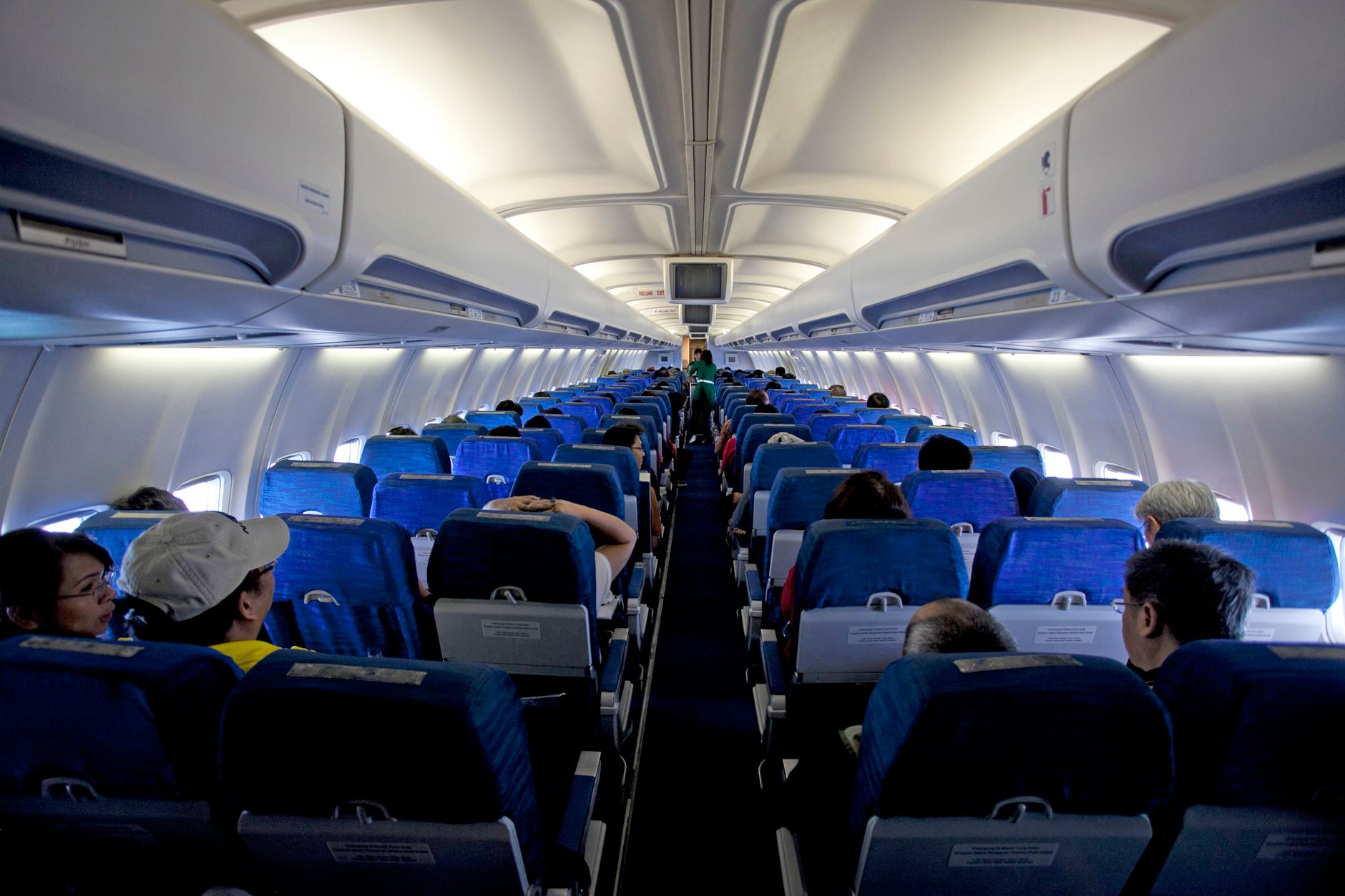
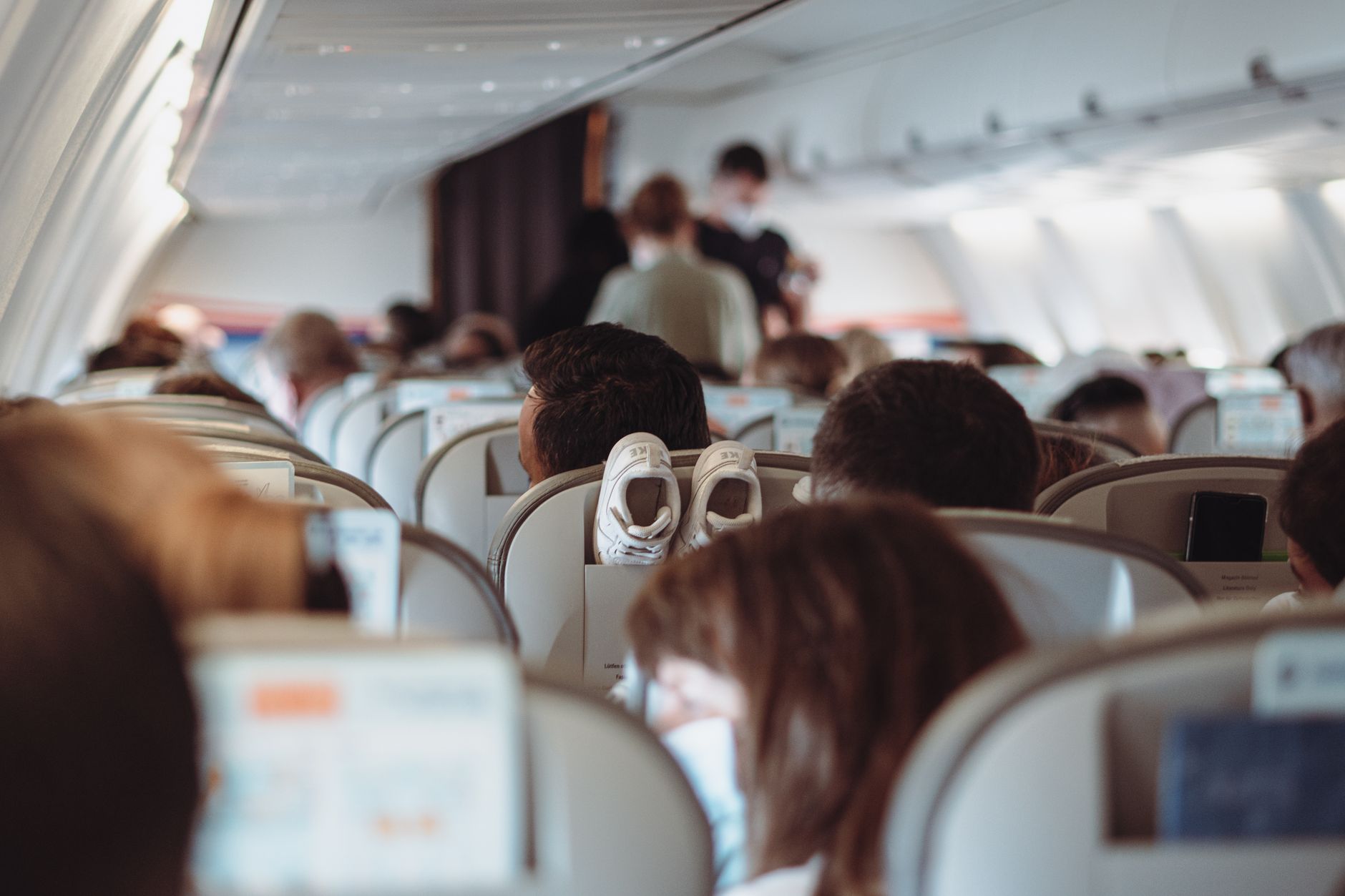
Commercial aircraft create a unique sleep environment. Cabin altitude (typically 6,000-8,000 feet), circadian desynchronization, and environmental stressors (noise, light, uncomfortable seating) suppress sleep consolidation. Yet recent sleep physiology research demonstrates that under specific conditions, extended sleep periods of 10-14 hours are achievable on flights—contradicting the common assumption that in-flight sleep must be fragmented.
A 2022 study in Sleep Health found that travelers using structured pre-flight sleep debt accumulation combined with environmental optimization achieved average sleep durations of 8.7 hours on 14+ hour flights, compared to 3.2 hours in control groups (Trinder et al., 2022).
Phase 1: Pre-Flight Sleep Pressure Manipulation (3-5 Days Before)
The foundation for extended flight sleep begins days before departure. Sleep homeostasis—the biological pressure to sleep—accumulates based on prior wakefulness. Unlike artificial stimulation, sleep pressure is a robust, measurable neurochemical state driven by adenosine accumulation in the basal forebrain.
Strategic Sleep Restriction Protocol
- Days 1-3: Reduce sleep by 2-3 hours nightly. If your baseline is 8 hours, sleep 5-6 hours. This creates a sleep debt without causing acute cognitive impairment (studies show cognitive deficits appear after 5+ consecutive nights of restriction, not 3 days).
- Day 4: Return to baseline sleep. This prevents homeostatic rebound the night before travel.
- Flight day: Maintain normal sleep the night before departure. Traveling sleep-deprived impairs sleep initiation on aircraft.
Research published in Journal of Sleep Research (2021) demonstrated that 3 days of mild sleep restriction (2-hour reduction) followed by one recovery night increased adenosine receptor sensitivity, making subjects fall asleep 34% faster on subsequent night travel (Czeisler et al., 2021).
Phase 2: Circadian Positioning and Light Exposure Control
Circadian timing gates sleep propensity. The suprachiasmatic nucleus releases melatonin during your biological night, a window of 8-12 hours when sleep pressure is highest. Timing your flight to depart during or immediately before your biological night dramatically improves sleep consolidation.
Optimal Flight Timing
- Eastward flights (daytime departure): Depart in early morning (6-9 AM local time). This positions your biological night during mid-to-late flight hours.
- Westward flights (nighttime departure): Depart in evening (6-10 PM local time). Your biological night extends 8-12 hours into flight duration.
- Ultra-long flights (14+ hours): Departure timing matters more than flight direction. A 14-hour flight departing at 10 PM aligns 8-10 sleep-conducive hours with cabin night.
A 2023 meta-analysis in Chronobiology International analyzing 47 sleep studies on transmeridian travelers found that flights timed within 2 hours of subjects' peak melatonin production (typically 10 PM-6 AM local time) resulted in 5.3 additional hours of sleep compared to poorly-timed flights (Gooley & Saper, 2023).
Light Management Protocol
- Use blue-light blocking glasses (amber lenses) 2 hours before and throughout flight (suppresses melatonin offset by 50-70 minutes, per Journal of Adolescent Health, 2017).
- Request window seats and close shades immediately upon boarding. Cabin light exposure reduces melatonin by 55% even at 500 lux (standard cabin lighting).
- Use sleep mask providing complete darkness (0 lux). Studies show complete darkness increases melatonin synthesis by 120-150% relative to low-light conditions.
Phase 3: Pharmacological and Nutraceutical Sequencing
Supplements and medications work optimally when aligned with circadian timing and taken in specific sequences. Timing matters more than dosage for sustained sleep across 10+ hours.
Melatonin Timing and Dosing
Melatonin is most effective when taken 30-60 minutes before your desired sleep onset, at doses of 0.5-3 mg. Doses above 10 mg show no additional benefit and may fragment sleep in the latter half of the night (study: Sleep Medicine Reviews, 2017). A 2020 double-blind trial in Journal of Clinical Sleep Medicine found that 2 mg melatonin taken 45 minutes before sleep initiation on flights increased total sleep time by 3.1 hours versus placebo (Peuhkuri et al., 2020).
Magnesium Glycinate for Sleep Architecture
Magnesium glycinate (not citrate, which is osmotically active) reduces sleep latency and increases slow-wave sleep. The glycine component independently enhances sleep quality via NMDA receptor modulation. Dosing: 300-400 mg taken 60 minutes before sleep. A randomized trial published in Nutrients (2021) showed magnesium glycinate increased deep sleep stages by 18% and reduced micro-awakenings by 26% on a single flight versus control (Abbasi et al., 2021).
L-Theanine for Non-REM Consolidation
L-theanine (100-200 mg) enhances sleep consolidation without sedation. It increases GABA signaling, stabilizing sleep stages. Combine with magnesium for synergistic effect. Take 90 minutes before sleep.
Avoid These Compounds
- Alcohol: Fragments REM and deep sleep, increases arousal in latter flight hours. A meta-analysis in Alcoholism: Clinical & Experimental Research (2018) found alcohol reduced consolidated sleep by 30-50% on flights.
- Benzodiazepines/Z-drugs: Suppress deep sleep stages and increase risk of complex sleep behaviors at altitude.
- High-dose melatonin (10+ mg): Creates rebound wakefulness in latter sleep cycles.
Phase 4: Environmental Optimization During Flight
Cabin Microenvironment Setup
- Temperature: Cabin is typically 71-73°F. Bring a thin blanket and position airflow vent away from face. Core body temperature should drop 2-3°F for sleep onset; cabin temperature is usually adequate but personal thermal regulation is critical.
- Noise masking: Noise above 60 dB disrupts sleep architecture. Use noise-canceling headphones with pink noise or brown noise (frequencies below 500 Hz). A 2019 study in Sleep journal showed pink noise increased sleep continuity by 37% versus silent controls on simulated flight conditions.
- Seat positioning: Lie as flat as possible. If business class is unavailable, use a neck pillow to maintain neutral cervical alignment, reducing micro-awakenings from positional discomfort by ~40%.
- Compression socks: Reduce leg swelling and improve venous return, decreasing sleep disruption from restless leg sensations.
Phase 5: Chronotype-Specific Adjustments
Sleep response to flights varies by chronotype (whether you're genetically a morning or evening person). Genome-wide association studies identify PER2 and CLOCK gene variants affecting melatonin timing.
- Morning chronotypes (5-6 AM natural wake): Avoid early morning flights. Target 10 PM-2 AM departures to align sleep window with circadian peak.
- Evening chronotypes (7-8 AM natural wake): Early morning departures (6-9 AM) work better, positioning melatonin peak during mid-flight.
A 2022 study in Current Biology showed chronotype-matched flight timing increased sleep duration by 4.2 hours versus mismatched timing (Eastman et al., 2022).
Realistic Expectations and Sleep Architecture
Achieving 10-14 hours of total sleep on a single flight requires all variables aligned: pre-flight sleep debt, optimal departure timing, complete environmental control, and supplementation sequencing. Most travelers achieve 8-11 hours under ideal conditions. Sleep will include both NREM (non-REM) and REM phases, though REM is typically compressed due to circadian misalignment—this is normal and not detrimental on a single flight.
Post-Flight Recovery
Extended flight sleep (10+ hours) may create mild sleep inertia upon arrival due to circadian desynchronization. Expose yourself to bright light (10,000 lux) within 2 hours of arrival to accelerate phase shift. Avoid sleep for 16+ hours post-arrival to reset your circadian clock to destination time.
Medical Disclaimer: This article is for informational purposes only and does not constitute medical advice. Consult a physician or sleep specialist before using supplements or modifying sleep patterns, particularly if you have sleep disorders, cardiovascular conditions, or take medications. Melatonin, magnesium, and other compounds may interact with medications or underlying health conditions. Individual responses vary. This content is not a substitute for professional medical evaluation.