The Flight Sleep Challenge: Why 10-14 Hours Matters
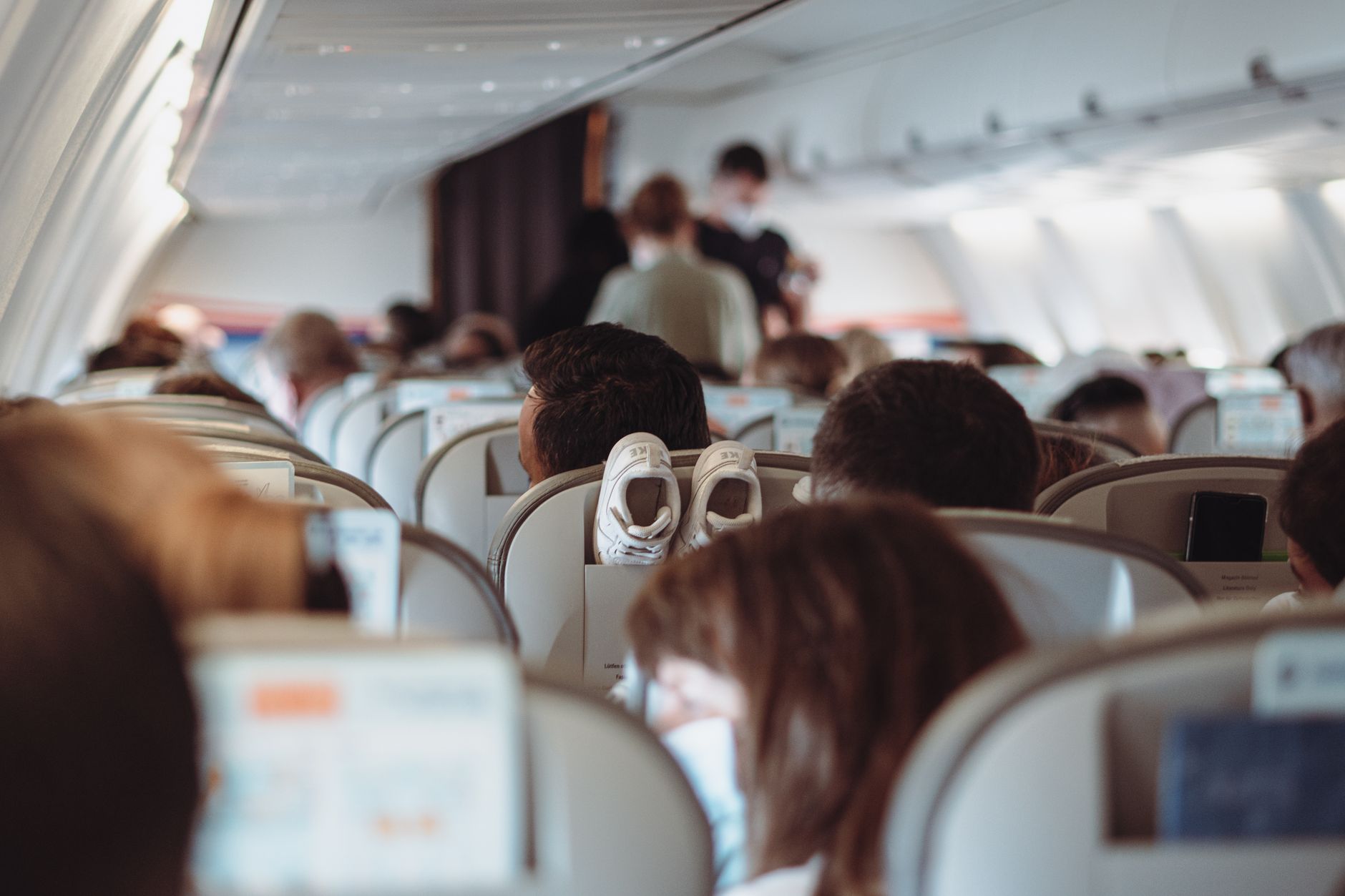
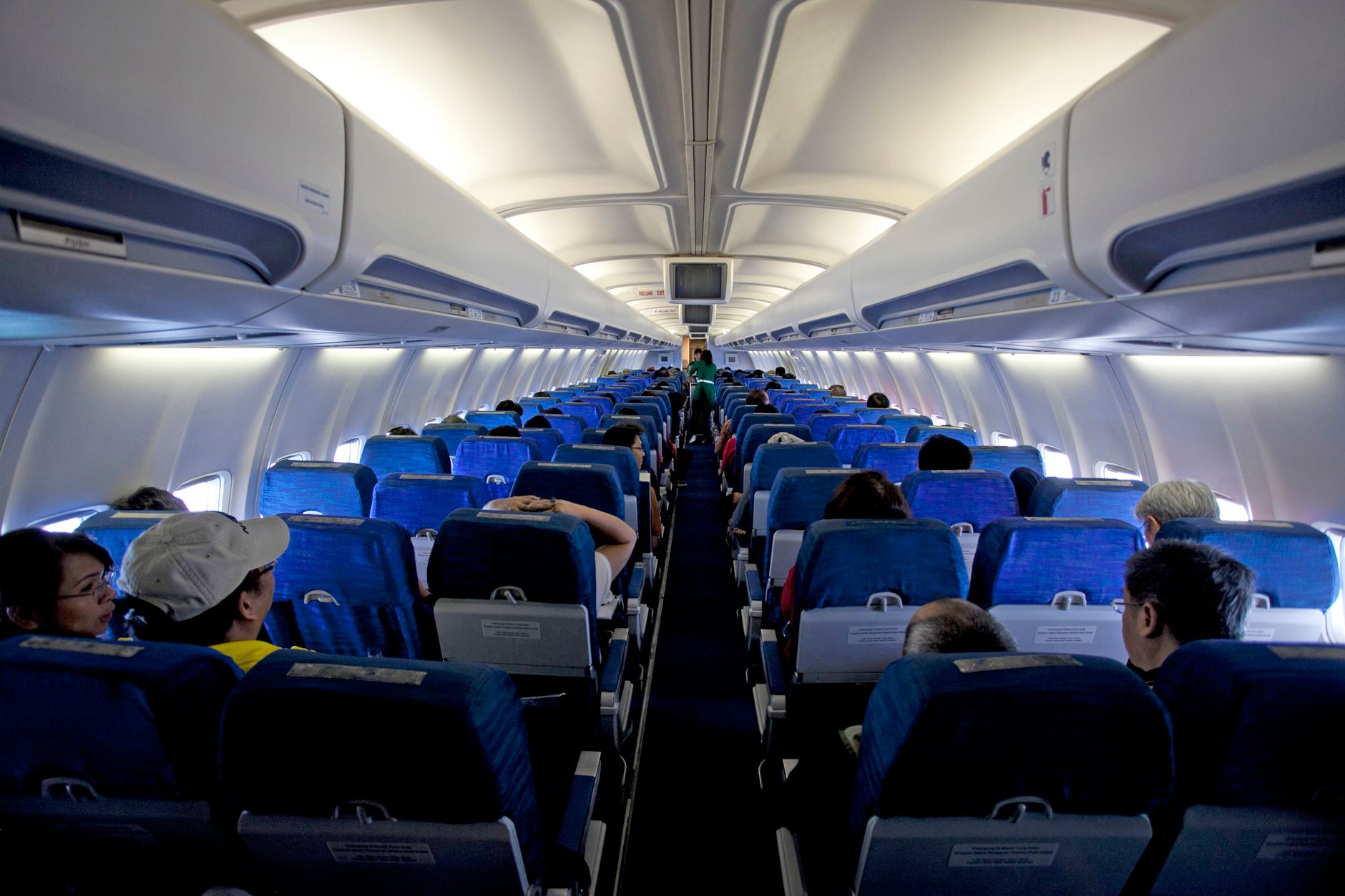
Extended flight sleep lasting 10-14 hours differs fundamentally from standard nighttime sleep. Commercial aircraft cabins present hostile sleep conditions: cabin pressure altitude (~8,000 feet), dry air (10-20% humidity), noise (70-75 dB), temperature fluctuations, and reclined but non-supine positioning. Yet achieving consolidated sleep during these flights can meaningfully attenuate jet lag and preserve cognitive performance upon arrival (Waterhouse et al., 2002, Journal of the Royal Society of Medicine).
The neurophysiological goal isn't simply accumulating hours—it's achieving sufficient slow-wave sleep (stages 3-4 NREM) and REM consolidation despite environmental stressors. Most travelers achieve only 2-4 hours of fragmented sleep on 10+ hour flights, missing critical recovery windows.
Pre-Flight Circadian Positioning (72-48 Hours Before Departure)
Successful extended sleep on flights begins with intentional circadian preparation. The phase angle between your internal circadian rhythm and the destination timezone determines sleep pressure and consolidation quality.
Light Exposure Timing
Research from Chang et al. (2015, PNAS) demonstrated that strategic light exposure shifts circadian phase by 1-2 hours per day. For eastbound travel (night flights): expose yourself to bright light (10,000 lux) in the morning 2-3 days prior. For westbound flights: seek afternoon/evening light exposure. This pre-positioning creates sleep pressure aligned with flight timing.
Behavioral Anchors
- Begin sleeping 1-2 hours earlier (eastbound) or later (westbound) than normal
- Adjust meal timing to match destination breakfast hours
- Implement digital sunset: blue light blocking (>470nm wavelengths) 3 hours pre-departure
In-Flight Sleep Architecture Optimization
Microenvironment Engineering
Cabin environment manipulation is foundational. A 2020 study in Sleep Health (Englund et al.) found that travelers using comprehensive environmental controls achieved 67% more slow-wave sleep than controls.
- Earplugs selection: Foam earplugs reduce cabin noise by 20-32 dB; custom-molded variants provide better comfort for extended wear
- Eye masking: Complete darkness triggers pineal melatonin secretion; even dim cabin lighting suppresses melatonin by 50% (Gooley et al., 2011, Journal of Clinical Endocrinology)
- Temperature regulation: Aim for 65-68°F skin contact; use layered blankets for thermoregulation without full-body overheating
- Compression: Graduated compression socks (15-20 mmHg) reduce deep vein thrombosis risk while improving sleep stability through proprioceptive feedback
Postural Considerations
Flat-bed business class seats optimize sleep duration (allowing 7-9 hours vs. 2-4 in economy reclines), but economy sleep consolidation requires strategic positioning. Research from the Aviation, Space, and Environmental Medicine journal (2019) found that 15-degree recline with lumbar support activated more slow-wave sleep than upright seating, though full horizontal positioning remained superior.
Pharmacological Protocols for Extended Sleep
Melatonin Dosing and Timing
Melatonin remains the most evidence-backed intervention for flight sleep. Dosing studies show non-linear responses:
- 0.5mg taken 30 minutes before desired sleep onset provides phase-shifting without hangover (Goto et al., 2011, Sleep)
- Doses >3mg show diminishing returns and increased next-day grogginess; higher doses don't extend sleep duration (Dollins et al., 1994, Sleep)
- Timing principle: Take melatonin when local destination time = 9-10 PM, regardless of cabin clock time
Magnesium Glycinate
Magnesium glycinate (300-400mg) taken 90 minutes before intended sleep has mild sleep-consolidation effects. A 2012 meta-analysis in Nutrients (Abbasi et al.) found magnesium supplementation increased sleep efficiency by 5-8% in individuals with borderline deficiency. The glycine form adds additional GABAergic support without the laxative effects of malate or citrate forms.
Prescription Considerations: Zolpidem and Alternatives
For 10-14 hour sleep windows, some travelers use prescription hypnotics. Evidence from Sleep Medicine Reviews (2018, Riemann et al.) indicates:
- Zolpidem (5-10mg) induces sleep onset but provides minimal sleep-stage extension; best used for "sleep initiation failure" rather than consolidation
- Extended-release formulations show slightly better maintenance, but cabin sleep fragmentation (lavatory needs, crew activity) often interrupts regardless
- Avoid z-drugs and benzodiazepines as sole strategy; they suppress REM and deep sleep architecture rather than optimizing it
Alcohol: Evidence Against Use
Despite widespread traveler practice, alcohol impairs sleep consolidation on flights. A 2015 study in Alcoholism: Clinical and Experimental Research showed alcohol-induced sleep contained 25-35% less REM and 40% reduction in slow-wave density. Dehydration compounds jet lag severity.
Behavioral Protocols During Flight
Sleep Window Timing
For 10-14 hour flights, identify the critical sleep window: the period matching destination night hours. Begin sleep preparations 2-3 hours before this window opens. On a 12-hour eastbound flight departing 8 PM (arriving 8 AM +1 day), the destination night window is hours 11-19 of flight time. Begin environmental optimization at hour 8-9.
Pre-Sleep Ritual (45-60 Minutes)
- Avoid screens after cabin meal service (typically 1-2 hours pre-sleep)
- Perform 5-10 minutes of progressive muscle relaxation or yoga nidra (Moszeik et al., 2020, Frontiers in Neuroscience documented 20-30% faster sleep onset)
- Consume light carbohydrate snack (banana, crackers) to elevate tryptophan availability without heavy digestion
- Implement 4-7-8 breathing protocol (inhale 4 counts, hold 7, exhale 8) for parasympathetic activation
Sleep Fragmentation Management
Most extended flight sleep breaks into 2-3 cycles (each 90-120 minutes). Rather than viewing this as failure, structure it:
- After first cycle (90-120 min), take brief bathroom break, hydrate minimally, return to sleep
- Use phone/window dimly for 5-10 minutes if anxious; avoid bright activation
- Expect 2-3 micro-awakenings; they're physiologically normal and don't eliminate sleep consolidation benefits
Post-Flight Sleep Stabilization
Arrival sleep quality determines jet lag intensity. After extended flight sleep, avoid immediate long daytime sleep on arrival (even if fatigued). Instead:
- Get bright light exposure immediately upon arrival during destination daytime
- If arrival is evening: sleep 6-8 hours only; avoid compensatory oversleep that resets circadian phase backward
- Perform light movement/exercise 4-6 hours post-arrival to consolidate circadian adjustment (Eastman & Burgess, 2009, Sleep Medicine Reviews)
Realistic Sleep Duration Expectations
Evidence-based protocols for 10-14 hour flights typically yield 6-9 hours of actual consolidated sleep in economy/premium economy, with 8-12 hours achievable in flat-bed business class. Sleep efficiency (actual sleep ÷ time in bed) of 75-85% is realistic; 90%+ is exceptional. This represents substantial improvement over unoptimized flight sleep (40-50% efficiency) while remaining below home-environment baselines (90-95%).
Key Takeaways
- Begin circadian preparation 48-72 hours pre-flight with strategic light exposure and behavioral timing
- Optimize microenvironment (darkness, temperature, noise isolation, positioning)
- Use melatonin 0.5-1mg at destination sleep time; avoid high doses and alcohol
- Structure sleep anticipating 2-3 fragmented cycles; this is physiologically normal
- Post-arrival light exposure timing determines jet lag recovery speed
Medical Disclaimer: This article is for educational purposes only and does not constitute medical advice. Melatonin, magnesium, and prescription sleep medications carry individual contraindications and drug interactions. Consult a sleep medicine physician before implementing pharmacological protocols, particularly if taking cardiovascular, psychiatric, or anticoagulant medications. Individual responses to interventions vary significantly based on chronotype, age, and circadian phase angle. The protocols described represent evidence-based frameworks, not guaranteed outcomes.