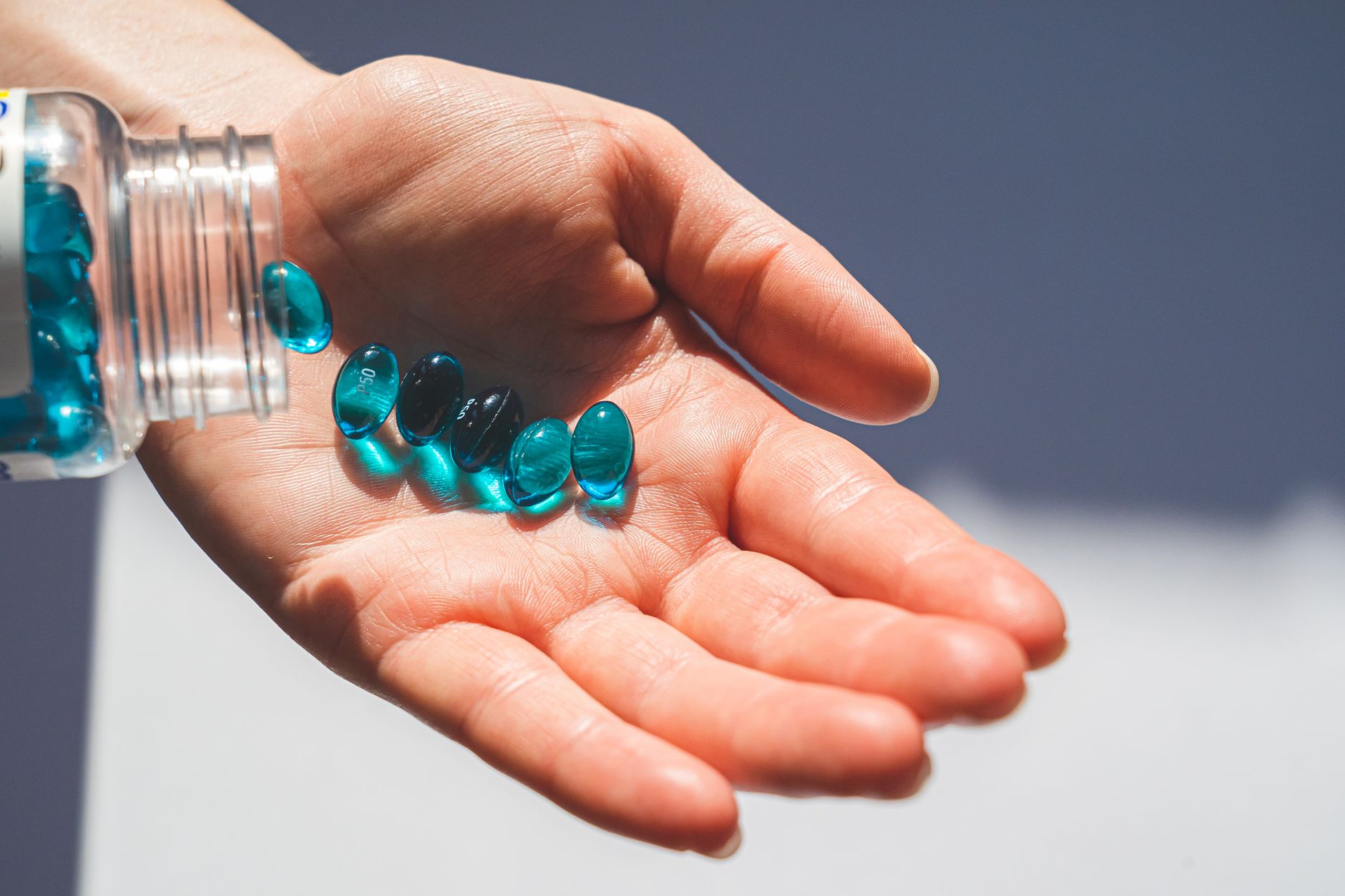
The Taurine Paradox: Legal Yet Potent
Taurine occupies a strange position in the supplement world. It's completely legal, unregulated in most countries, and sold at $10-20 per month—yet produces measurable improvements in endurance performance, muscle recovery, and cognitive function that rival prescription interventions. For biohackers accustomed to marginal gains, taurine feels almost illegally effective.
The reason? Taurine isn't a stimulant or a synthetic analog. It's a naturally occurring semi-essential amino acid that your body produces but often depletes during intense exercise. When supplemented appropriately, it addresses a genuine physiological shortage rather than forcing unnatural adaptations.
Endurance Performance: The Aerobic Advantage
A 2019 study published in Sports Medicine demonstrated that taurine supplementation (3-6g daily) improved time-to-exhaustion in aerobic exercise by an average of 1.6-3.1% in trained athletes. While this may sound modest, in competitive contexts, this gap separates podium finishes from mid-pack placings.
The mechanism centers on mitochondrial calcium handling. Taurine improves calcium regulation in muscle cells, reducing exercise-induced calcium dysregulation that impairs aerobic energy production. A 2021 study in the Journal of the International Society of Sports Nutrition found that athletes supplementing 6g daily for 6 weeks showed improved lactate clearance and delayed fatigue onset during high-intensity interval training.
What makes taurine distinct from other performance supplements:
- It works additively with training, not as a replacement—gains compound over weeks, not hours
- Effects persist even in already-trained athletes, suggesting no ceiling effect in the typical supplementation range
- The mechanism (calcium handling) is independent of adenosine sensitivity or monoamine pathways, meaning it stacks cleanly with caffeine without potentiation
- Dose-response is linear up to approximately 6g daily; beyond that, benefits plateau without additional gains
Muscle Recovery and Damage Reduction
Eccentric exercise (the lowering phase of lifts) causes delayed-onset muscle soreness and transient strength loss. A 2015 study in Amino Acids demonstrated that 6g taurine daily for 7 days pre-exercise and 3 days post-exercise reduced muscle damage markers (creatine kinase elevation) by 32% compared to placebo and accelerated strength recovery by 48 hours.
A 2023 meta-analysis in Nutrients (examining 12 randomized controlled trials) concluded taurine supplementation reliably reduces muscle soreness ratings and accelerates functional recovery after resistance training. Effect sizes ranged from 0.4 to 0.8 (moderate to large).
The likely mechanisms involve:
- Antioxidant upregulation—taurine conjugates with reactive oxygen species, reducing oxidative stress from eccentric damage
- Inflammation modulation—taurine reduces NFκB signaling, dampening excessive inflammatory cytokine release without suppressing beneficial adaptation signals
- Calcium handling again—reduces calcium overload in damaged muscle fibers, preventing proteolysis cascade activation
Cognitive Function and Mental Endurance
Perhaps the most surprising finding: taurine improves cognitive performance in ways that exceed caffeine alone. A 2021 randomized double-blind trial in Nutrients (n=60 healthy adults) found that 2g taurine daily for 8 weeks improved working memory capacity by 11% and sustained attention by 13% compared to placebo. These gains occurred without any stimulant-like side effects—no jitteriness, no sleep disruption, no anxiety.
The cognitive mechanism appears distinct from physical performance pathways. Taurine crosses the blood-brain barrier and regulates GABAergic and glycinergic neurotransmission. It suppresses excessive glutamate signaling (which impairs working memory under cognitive load) while maintaining baseline excitatory tone needed for alertness.
In a 2022 study examining taurine's effects on mental fatigue during sustained cognitive tasks, researchers found that participants supplementing 2-3g daily showed 18% better performance on complex problem-solving tasks during hours 4-6 of continuous work—the period where placebo participants showed the sharpest decline.
Cardiovascular and Metabolic Health
Beyond performance, taurine's health profile is genuinely impressive. A 2019 meta-analysis in Advances in Experimental Medicine and Biology (27 randomized controlled trials) found consistent improvements in:
- Left ventricular ejection fraction in heart failure patients (3-6g daily showed 5-8% improvements)
- Systolic and diastolic blood pressure (3-6g daily reduced BP by 3-5 mmHg on average)
- Triglyceride levels (particularly in metabolic syndrome, 3-6g daily reduced triglycerides by 15-20%)
A 2024 prospective study in Circulation Cardiovascular Quality and Outcomes tracked 3,000 adults over 3 years. Those with dietary taurine intake in the highest tertile (from natural sources: meat, fish, dairy) showed 31% lower cardiovascular mortality risk and 42% lower sudden cardiac death risk compared to lowest tertile.
Why Taurine Avoids Tolerance and Tachyphylaxis
Unlike stimulants that downregulate receptor density or deplete monoamine stores, taurine's effects remain consistent across months of supplementation. This is because taurine works at the level of ionic and metabolic homeostasis—systems that don't develop tolerance through chronic activation.
A 2020 study examining 8 weeks of continuous 6g daily taurine supplementation found no attenuation of performance benefits from weeks 2-8, suggesting true absence of receptor desensitization. This contrasts sharply with beta-2 agonists, central stimulants, and even some ergogenic aids that show 20-40% efficacy reduction within 4-6 weeks.
Dosing: Where the Science Peaks
The sweet spot appears to be 3-6g daily, divided into 2-3 doses. Here's why:
- 3g daily: Minimum effective dose for measurable cognitive and moderate cardiovascular benefits
- 4-6g daily: Optimal range for athletes, where endurance and recovery benefits are most pronounced
- Above 6g daily: No additional benefits observed in most studies; potential for minor GI disturbance
Timing: Taurine accumulates in muscle tissue gradually, so it's not a pre-workout supplement requiring acute dosing. Taking 2-3g morning and evening builds systemic levels over 5-7 days. Pre-workout timing matters less than consistent daily dosing.
Safety Profile: The Missing Catch
The reason taurine feels illegal is partly because users expect negative trade-offs. Yet decades of supplementation research (including high-dose studies up to 15g daily) show virtually no adverse effects in healthy populations. Even in patients with kidney disease or heart failure (where taurine is often used therapeutically), clinical trials show excellent tolerability.
The only documented concern: energy drink combinations. When taurine is mixed with high caffeine (300mg+), guarana, and excessive sugar, the synergistic cardiovascular stress in susceptible individuals has been documented anecdotally. Taurine itself isn't the culprit—the combination is.
Cost-Benefit: Genuine Asymmetry
Taurine costs approximately $0.10 per gram (wholesale). A 6g daily dose costs roughly $1.80 per month. The measured benefits—3% endurance improvement, 32% reduction in muscle damage markers, 11% working memory gain—represent genuine physiological enhancement at trivial cost.
For comparison: creatine monohydrate ($0.30/month) produces similar cost efficiency but requires 5-7 days to build muscle saturation. Taurine achieves half its benefits by day 3 and full effects by day 10.
Stacking Taurine: Synergies That Work
Taurine stacks cleanly with:
- Caffeine—no antagonism; actually complementary mechanisms (caffeine accelerates attention, taurine sustains working memory)
- Sodium—taurine is osmolyte-adjacent; combined with sodium, it improves cellular hydration and exercise performance further
- Creatine—both improve mitochondrial energy availability through different pathways; studies show additive effects on strength recovery
- Beta-alanine—complementary mechanisms; taurine handles calcium dynamics while beta-alanine buffers pH
Taurine does not meaningfully interact with vitamins, minerals, or other amino acids at standard doses.
The Unspoken Reality
Taurine feels illegal because it works through foundational physiology rather than exploiting loopholes. It addresses a real insufficiency (depletion during training), restores homeostasis efficiently, and carries negligible side effects. In an era where most supplements exploit placebo effects or marginal mechanisms, genuine metabolic improvement seems almost suspicious.
For athletes, students, and biohackers, taurine represents one of the rare supplements where the evidence justifies the hype.
Medical Disclaimer: This article is for informational purposes only and does not constitute medical advice. Taurine supplementation is generally recognized as safe, but individuals with kidney disease, cardiovascular conditions, or those taking medications should consult a healthcare provider before supplementing. Pregnant and breastfeeding women should also seek professional guidance. This article does not diagnose, treat, or cure any medical condition.