What Cortisol Testing Cannot Reliably Tell You
Walk into most functional medicine clinics or browse biohacking forums and you'll encounter a narrative that's become nearly unshakeable: your cortisol is "too high," or maybe it's "flat," or perhaps it has "lost its rhythm." The solution, inevitably, involves adaptogens, magnesium glycinate, sleep tracking, and sometimes medication. Yet the foundation of this entire diagnostic apparatus crumbles when you examine the actual peer-reviewed literature on cortisol measurement.
The problem starts with the question: which cortisol are we measuring? Single-point blood cortisol tests—the kind many practitioners order—show massive intra-individual variability and don't predict functional outcomes in otherwise healthy people. A 2019 study by Stalder and colleagues in Psychoneuroendocrinology found that cortisol measured at one time point in the morning correlates weakly with repeated measurements taken days apart. More troubling: static cortisol levels don't reliably differentiate people with actual cortisol dysregulation (like Cushing's syndrome or Addison's disease) from healthy individuals in mild stress states.
Saliva cortisol tests, marketed heavily in direct-to-consumer wellness spaces, come with their own validation problems. While the Cortisol Awakening Response (CAR)—the 30-50% surge in salivary cortisol measured 15-30 minutes after waking—has research backing as a biological marker, it's being misinterpreted across the industry. A flattened CAR might indicate chronic stress, burnout, or depression in clinical populations. But in healthy people with variable sleep schedules, exercise timing, or caffeine intake, it can swing wildly without clinical meaning.
The 24-hour urinary free cortisol test is more stable than single-point measures, but it's expensive, requires careful collection, and remains underutilized in consumer biohacking. Hair cortisol analysis—increasingly popular—shows promise for measuring integrated stress exposure over weeks, but the clinical utility in non-clinical populations is still being established, and confounding factors like hair growth rate and cosmetic treatments affect results.
The Gap Between Pathology and Performance
Here's where the logic chain breaks: the cortisol tests with the best validation and clinical utility were developed to diagnose endocrine disease—Cushing's syndrome, Addison's disease, and adrenal insufficiency. These are rare, identifiable disorders. When a functional medicine practitioner finds a client's morning cortisol is 12 µg/dL instead of 15 µg/dL and calls it "low," they're often reasoning backward from a disease model into the wellness space where that distinction may not matter.
A critical 2016 review by Clow et al. in Stress examined the association between CAR and burnout symptoms. They found a consistent relationship in clinical burnout cohorts—flattened CAR predicted exhaustion and reduced engagement. But the effect size was modest, and in general population samples, the predictive value tanked. Someone with a "flat" CAR might be a night-shift worker, might have sleep apnea, or might just have naturally lower cortisol rhythm amplitude. It doesn't reliably predict whether they'll benefit from adaptogens or lifestyle change.
The biohacking narrative often inverts this: practitioners test cortisol, find deviation from a reference range, assume dysfunction, and recommend intervention. The logical link between the test result and the intervention remains tenuous for most people.
Acute Cortisol Suppression Versus Chronic Trajectory
One area where cortisol science does hold up is the acute pharmacological suppression of cortisol via glucocorticoid medication or certain supplements. Phosphatidylserine, a phospholipid marketed as a cortisol reducer, shows mixed evidence. A 2012 meta-analysis by Hellhammer and colleagues in Nutrients examined 13 studies of phosphatidylserine and cortisol response to acute stress (typically via cognitive or physical challenge). The effect was small but consistent: 400-800 mg daily reduced cortisol's spike during the stressor, with an effect size around d = 0.35. This is not nothing—but it's also not the systemic "cortisol normalization" that marketing materials suggest.
Ashwagandha (Withania somnifera) has stronger data in clinical anxiety and stress populations. A 2019 randomized trial by Lopresti et al. in Journal of Ayurveda and Integrative Medicine found that 300 mg twice daily of a standardized ashwagandha extract reduced cortisol by approximately 28% compared to placebo over 60 days in adults with self-reported chronic stress. The effect was real. But here's the critical distinction: in stressed, clinically symptomatic people, not in healthy biohackers optimizing for marginal gains.
The underlying mechanism isn't that these compounds "fix broken cortisol." They may dampen the HPA axis response to acute stressors—a physiologically meaningful effect. But repeatedly damping cortisol when your cortisol was never dysregulated raises a different question: what are you actually optimizing for?
Why Circadian Cortisol Patterns Matter (And When They Don't)
The cortisol awakening response is the most scientifically defensible cortisol biomarker in biohacking contexts. Normal physiology: cortisol rises 30-50% in the first 30 minutes after waking, supports glucose mobilization, and facilitates the transition to wakefulness. This is appropriate. Chronically flattened CAR—measured consistently across multiple sampling days—correlates with burnout, depression, and chronic stress in clinical cohorts.
But the biohacking community has weaponized this finding. People are now obsessed with "optimizing" CAR, assuming a higher or faster rise is better. The evidence does not support this. A study by Clow and colleagues in 2004 in Psychoneuroendocrinology established the CAR as a marker of HPA axis function, but "higher" CAR isn't the goal—*appropriate* CAR is. Someone who wakes and immediately faces high stress might naturally show a higher CAR. That's normal physiology, not optimization.
Cortisol's downstream effects—its evening taper and the maintenance of a diurnal rhythm—matter more for sleep quality and metabolic function than absolute morning levels. Chronically elevated evening cortisol (measured consistently via 11 PM saliva sampling) does show associations with poor sleep quality and metabolic dysregulation in some studies, but again, the causal direction isn't always clear. Poor sleep disrupts cortisol rhythms; elevated cortisol disrupts sleep. Treating the cortisol without addressing the sleep often fails.
The Supplement Industry's Cortisol Problem
Cortisol-targeted supplements—particularly adaptogens—are among the fastest-growing wellness categories. The market logic is simple: cortisol is perceived as bad, adaptogens lower cortisol, therefore adaptogens are good. Reality is more complicated.
Rhodiola rosea, marketed as a stress adaptogen, shows modest improvements in fatigue and mood in clinical trial populations (mostly burnout or depression cohorts). A 2009 systematic review by Hung et al. in Phytomedicine found 11 trials of rhodiola; most showed small improvements in subjective stress and fatigue measures, but cortisol measurements were inconsistent. Some trials showed reduced cortisol response to stress; others showed no effect. Dose varied wildly (200-600 mg/day), and participant selection bias was high.
The fundamental issue: people buy these supplements because they believe they have "high cortisol." Most of them haven't validated that belief with rigorous testing. They feel tired, so they assume high cortisol. They're gaining weight, so cortisol dysregulation seems plausible. The supplement provides a sense of agency, and over time, if they sleep better or manage stress better—which they likely do through the ritual of taking the supplement and the psychological shift toward self-care—they attribute the improvement to cortisol normalization. Confirmation bias does heavy lifting here.
When Cortisol Testing Actually Makes Clinical Sense
This doesn't mean cortisol testing is useless. In specific scenarios, it has diagnostic value:
- Suspected Cushing's syndrome: Central obesity, proximal weakness, purple striae, and hypertension warrant cortisol screening. 24-hour urinary free cortisol and dexamethasone suppression tests are first-line and well-validated.
- Suspected Addison's disease: Orthostatic hypotension, hyperpigmentation, hyponatremia, and fatigue warrant cortisol measurement. Early morning cortisol (8 AM, before activity) and ACTH levels define the condition.
- Secondary adrenal insufficiency: After pituitary surgery, in the context of central hypogonadism or TSH abnormality, cortisol insufficiency can co-occur and should be assessed.
- CAR in verified burnout cohorts: For someone clinically diagnosed with burnout (via validated scales like the Maslach Burnout Inventory), CAR assessment might provide a biomarker of recovery or relapse risk as they implement recovery strategies. The question shifts from "do I have high cortisol?" to "is my stress response recovering?"
Outside these contexts, cortisol testing in otherwise healthy people optimizing for performance, body composition, or recovery is a low-yield use of resources.
Practical Re-Framing for Cortisol-Conscious Biohackers
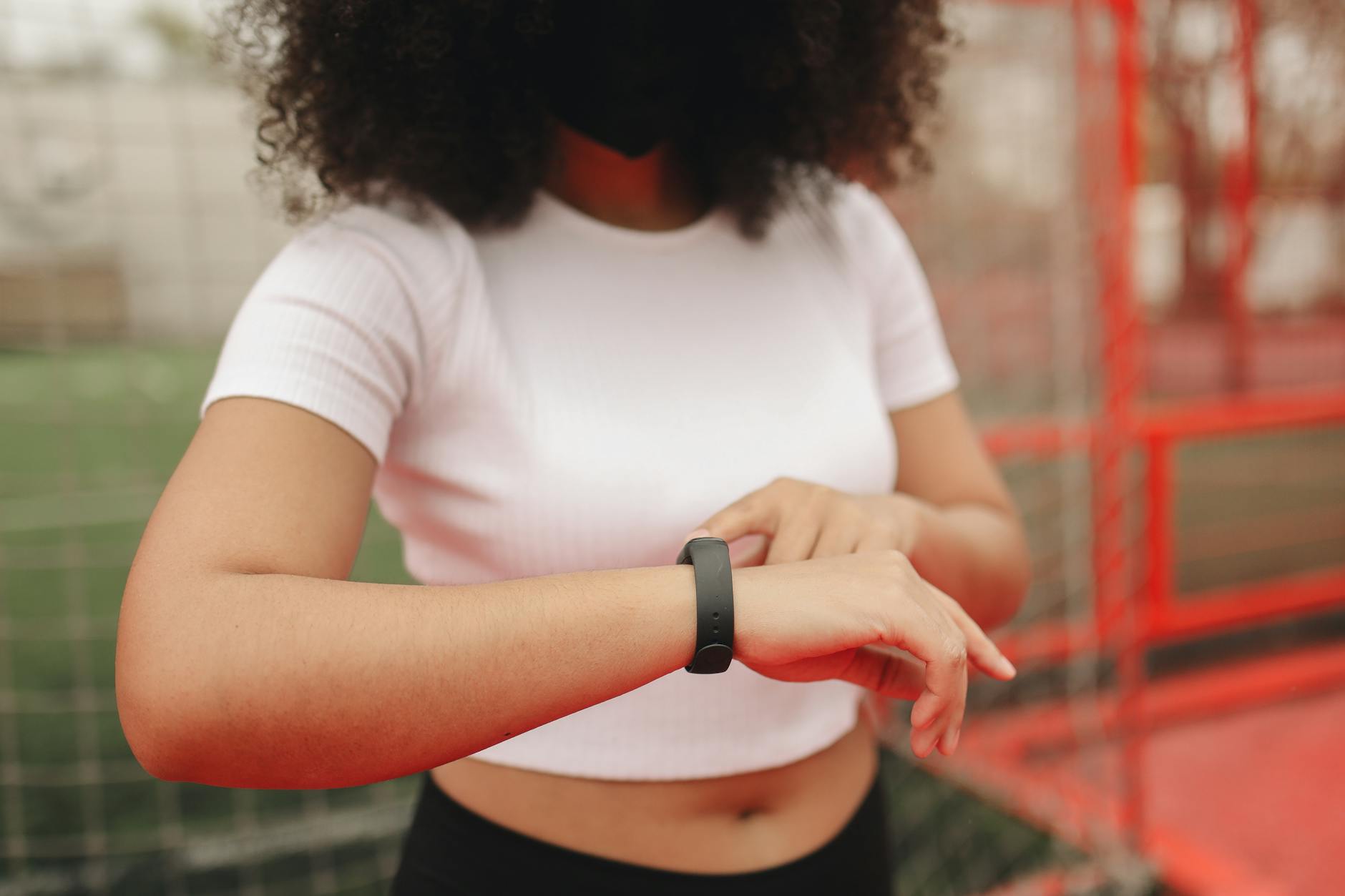
If you're concerned about chronic stress and its effects, the solution lies upstream of cortisol measurement. Sleep quality and duration—objectively quantified through wearables or sleep studies—predict metabolic function, immune resilience, and cognitive performance more robustly than cortisol levels. Cardiovascular fitness (measured via VO2 max or HRV trend) reflects systemic stress resilience better than a single cortisol reading.
A 2021 study by Laborde et al. in Psychoneuroendocrinology examined HRV as a correlate of HPA axis function. They found heart rate variability—particularly the parasympathetic component—correlated with cortisol dynamics and predicted stress resilience better than cortisol alone. If you're going to measure something biological, HRV might be more informative and less prone to misinterpretation.
Actual intervention data suggests behavioral changes outweigh supplements for modulating cortisol dynamics meaningfully. Consistent sleep timing (within a 2-hour window daily) normalizes cortisol rhythm. 30-60 minutes of moderate aerobic activity most days improves both immediate stress response and baseline cortisol trajectories. Meditation and structured breathing practices show effects on cortisol in some but not all studies, though subjective stress reduction is consistent. These interventions are free, have broad health benefits, and don't require a biomarker diagnosis.
If you're going to test cortisol, make it count: establish baseline CAR and evening cortisol via saliva (multiple samples across 3-5 days), or request 24-hour urinary free cortisol if your practitioner offers it. Pair any cortisol metric with objective lifestyle data (sleep, exercise, HRV). After implementing targeted interventions—sleep hygiene, exercise, stress management—retest 8-12 weeks later. A shift in CAR or diurnal rhythm in the context of improved sleep quality and mood is meaningful. An isolated lab value that doesn't align with how you actually feel and function is not.
The Cortisol Narrative in Biohacking Culture
Why has cortisol become such a touchstone in biohacking? Partly because it's measurable, partly because it connects stress (something everyone experiences) to a biological mechanism (something that feels scientific), and partly because the supplement industry has built a narrative around it. Cortisol became the villain in a story that was partly true—chronic stress does dysregulate the HPA axis—and partly opportunistic marketing.
The most honest take: cortisol is not the problem for most healthy, moderately stressed people. Insufficient sleep, poor cardiovascular fitness, chronic psychological stress without outlet, and unstable social relationships predict health outcomes. Cortisol is a correlate, not the cause. Treating cortisol while ignoring these upstream factors is like treating the fever while ignoring the infection.
For those with documented stress-related illness, HPA axis dysfunction, or clinical burnout, cortisol-targeted interventions (both behavioral and pharmacological) have roles. For everyone else, cortisol testing is expensive noise. Build sleep, move your body, manage your calendar. Your cortisol will follow.