The Supplement Gamble: Why Assumptions Cost You Money and Results
Americans spend $42 billion annually on dietary supplements, yet the vast majority take them based on incomplete information. A 2023 survey published in the Journal of the Academy of Nutrition and Dietetics found that 76% of supplement users couldn't name a single reason their specific supplement addressed a personal health need. They were taking what Instagram influencers recommended, what their friends took, or what a wellness brand's marketing convinced them they needed.
The problem: your nutrient deficiencies are likely different from your neighbor's. Your absorption capacity differs based on genetics, gut health, medications, and diet. Generic "complete" multivitamins often contain unnecessary nutrients at inadequate doses while missing critical micronutrients you're actually depleted in.
The Science of Micronutrient Testing: From Guesswork to Data
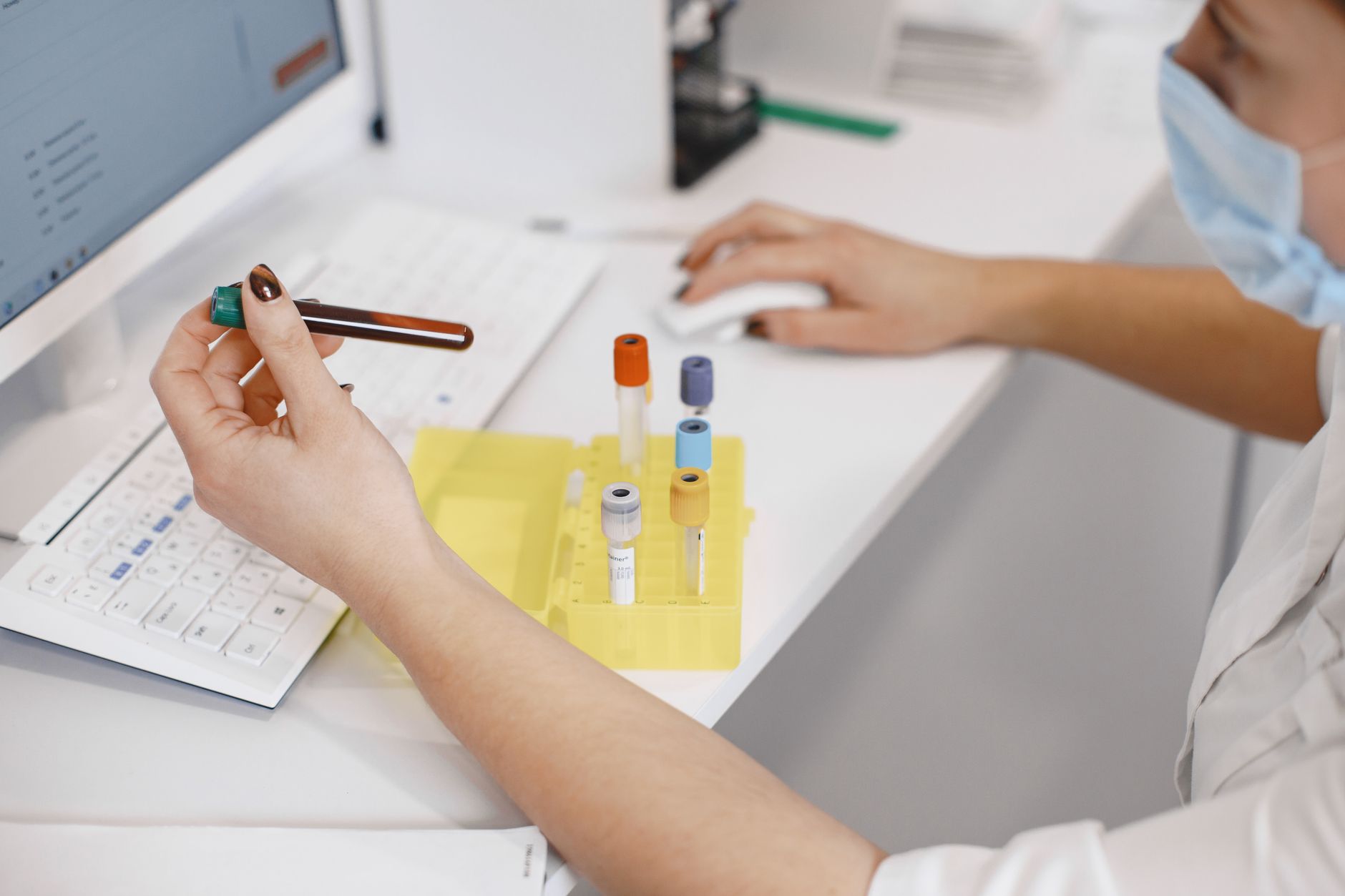
Micronutrient testing measures circulating and intracellular levels of 30+ nutrients including vitamins B6, B12, folate, vitamin D, magnesium, zinc, selenium, and carnitine. The most robust approach uses both serum (blood) and intracellular measurements, since serum levels don't always reflect tissue stores.
A landmark 2019 study in Nutrients (published by MDPI) demonstrated that 50-94% of healthy adults showed micronutrient inadequacies depending on which nutrients were tested. More critically, serum testing alone missed 40% of actual intracellular deficiencies. This explains why people taking multivitamins still experience fatigue, poor recovery, and cognitive fog—they're addressing the wrong deficiencies.
Key testable micronutrients and their functional roles:
- Vitamin D: Immune regulation, bone health, mood. Deficiency linked to autoimmune flares and depression (2022 meta-analysis in Nutrients)
- Magnesium: Mitochondrial ATP production, muscle recovery, sleep quality. 48-76% of populations are deficient (2021 Nutrients review)
- Zinc: Immune function, wound healing, protein synthesis. Depleted by stress, intense exercise, plant-based diets
- Vitamin B12: Neurological function, energy metabolism. Absorption declines with age and certain medications (metformin, PPIs)
- Iron: Oxygen transport, mitochondrial function. Deficiency causes fatigue; excess causes oxidative stress
- Selenium: Thyroid function, antioxidant defense. 15% of Americans deficient; varies by regional soil content
The Absorption Problem: Why Your Supplement Form Matters More Than the Dose
Even high-quality supplements fail if they're poorly absorbed. A 2021 study in Pharmaceutical Research compared magnesium glycinate, oxide, and citrate. Glycinate showed 25-30% superior absorption compared to oxide—yet oxide is the cheapest form, appearing in most "complete" multivitamins.
Bioavailability varies dramatically by supplement form:
- Magnesium glycinate: Highly absorbable, crosses blood-brain barrier for sleep benefits
- Zinc picolinate: Superior absorption vs. zinc oxide (used in cheap multis)
- Vitamin D3 (cholecalciferol): Better absorption than D2; requires fat for absorption
- Methylcobalamin B12: Better neurological retention than cyanocobalamin
- Chelated minerals: Generally 2-3x more bioavailable than non-chelated salts
Your gut health also determines absorption. A 2022 study in Gastroenterology showed that people with dysbiosis, low stomach acid (common over age 65), or celiac disease required 50-150% higher supplemental doses to reach adequate serum levels.
Building Your Personal Supplement Pyramid: The Evidence-Based Framework
Tier 1: The Foundation (Almost Everyone Benefits)
- Vitamin D3: 2,000-4,000 IU daily if serum 25(OH)D below 40 ng/mL. Higher latitudes and darker skin increase need. 2020 meta-analysis in Frontiers in Immunology showed inadequate D linked to 35% higher infection risk
- Omega-3 (EPA/DHA): 1,000-2,000mg if serum omega-3 index below 6%. A 2021 AHA update confirmed benefit for cardiovascular and cognitive health
- Magnesium glycinate: 200-400mg if urinary magnesium or RBC magnesium is low. 2023 Nutrients review linked adequate magnesium to 27% lower all-cause mortality
Tier 2: Individual Testing-Based Additions
- If B12 low: Methylcobalamin 1,000mcg weekly IM or daily sublingual (superior to cyanocobalamin for neurological symptoms)
- If zinc depleted: 15-25mg zinc picolinate (not oxide). Athletes and high-stress individuals lose more through sweat/cortisol
- If iron low (confirmed by ferritin AND serum iron): Bisglycinate iron, 20-30mg with vitamin C for absorption. Avoid if ferritin elevated (iron overload is pro-inflammatory)
- If selenium low: 100-200mcg selenomethionine (better retained than selenite). Critical if hypothyroid
Tier 3: Performance/Longevity Optimization (If Other Tiers Addressed)
- CoQ10 (ubiquinol form): 100-300mg daily if over 40, on statins, or dealing with mitochondrial fatigue. 2022 study in Antioxidants showed improved energy and reduced muscle pain in 200+ subjects
- NAD+ precursors (NR or NMN): 250-1,000mg if targeting cellular energy or longevity. Early human data is promising but limited; animal studies robust (2021 Cell Metabolism)
- Creatine monohydrate: 5g daily for muscle, brain energy. Meta-analysis in Sports Medicine (2023) showed cognitive benefits in vegans and older adults
The Interaction Problem: When More Supplements Backfire
A critical 2022 study in American Journal of Clinical Nutrition revealed that certain supplement combinations reduced bioavailability:
- Calcium supplements reduce iron and zinc absorption by 30-60% when taken together
- High-dose vitamin E impairs vitamin K absorption
- Excess zinc (>50mg) suppresses copper absorption
- Magnesium glycinate taken with food reduces some mineral absorption
The solution: separate key supplements by 2+ hours, or test to confirm you actually need each one rather than stacking blindly.
The Testing Strategy: What to Actually Order
Direct-to-consumer micronutrient panels (SpectraCell, Viome, Quest) range $400-800. Insurance rarely covers them. Consider this a one-time investment to avoid wasting $1,200+ annually on unnecessary supplements.
Essential baseline tests:
- Vitamin D 25(OH)D serum
- Vitamin B12 and folate
- Iron panel (serum iron, ferritin, TIBC)
- Magnesium (RBC or urinary preferred over serum)
- Zinc and copper
- Selenium (less common; request if thyroid issues present)
Red Flags: When Supplements Cause Harm
A 2023 analysis in Toxicology Reports identified supplement-related hospitalizations surging 50% since 2015, primarily from:
- Excessive vitamin A (teratogenic in pregnancy, bone loss at >10,000 IU daily)
- Iron overdose (particularly in children; lethal at >20mg/kg)
- Herb-drug interactions (ginkgo + warfarin increases bleeding risk)
- Contaminated products (7% of supplements tested contained unlisted pharmaceuticals)
Buy from third-party tested brands (NSF, USP certification) and inform healthcare providers of your full supplement list.
Conclusion: Personalization Over Perfection
The supplement industry profits from confusion and overconsumption. Evidence-based supplementation means: (1) test before supplementing, (2) use bioavailable forms, (3) address deficiencies in priority order, and (4) reassess annually. A $500 micronutrient panel eliminates years of guessing and wasted money on supplements you don't need.
Medical Disclaimer: This article is for educational purposes only and should not replace professional medical advice. Supplement needs are highly individual. Before starting any supplement regimen, consult with a healthcare provider familiar with micronutrient medicine, especially if you take medications, are pregnant, or have existing health conditions. Micronutrient testing interpretation should be done by a qualified practitioner, not self-diagnosed.