The Sleep-Dementia Connection: Moving Beyond Correlation
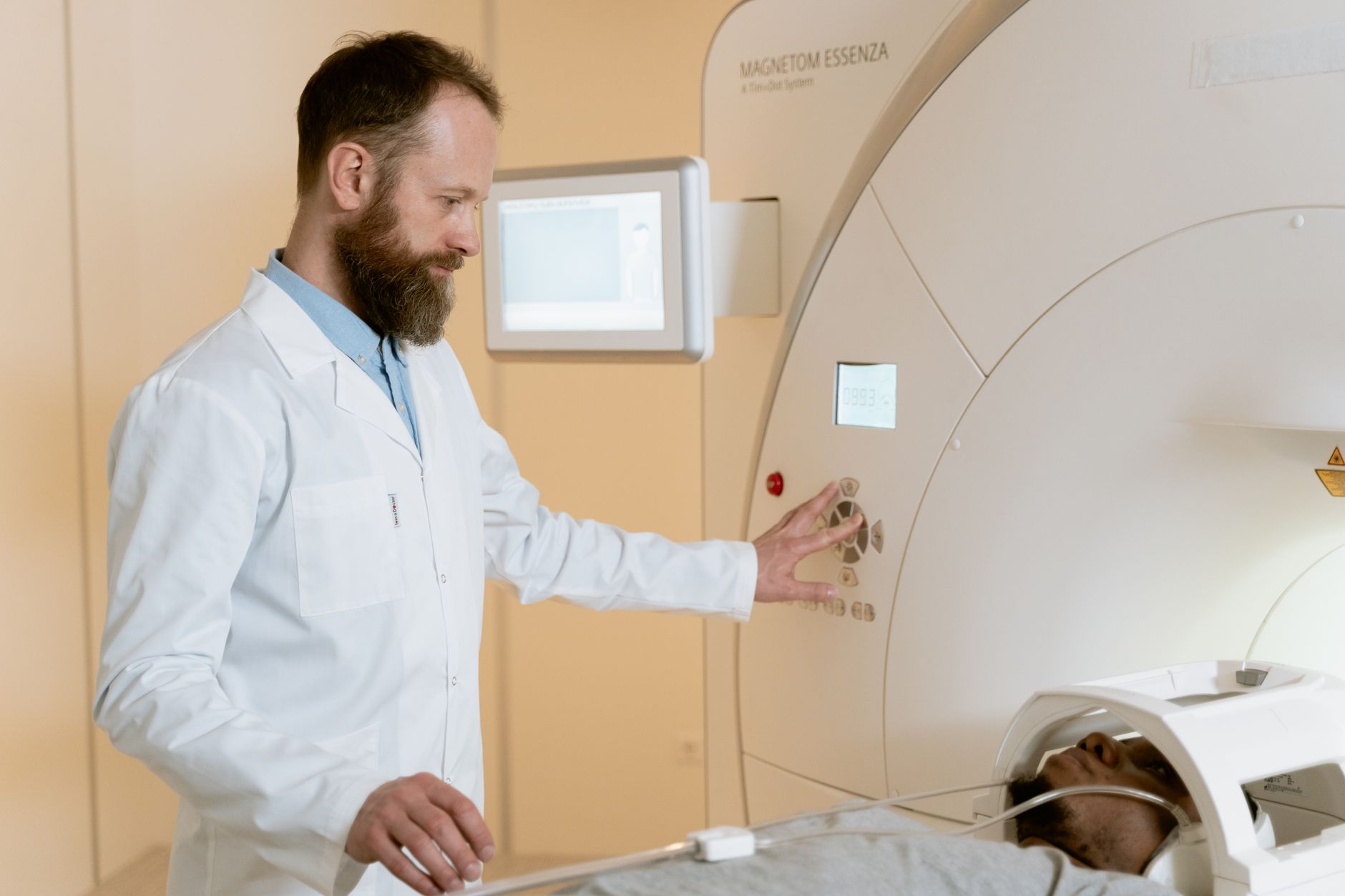
For decades, epidemiological studies suggested a correlation between poor sleep and cognitive decline. But in 2024, researchers moved beyond association to identify the biological mechanisms. A landmark study published in Nature Neuroscience (2024) using positron emission tomography (PET) imaging demonstrated that individuals averaging fewer than 6 hours nightly showed 30% greater amyloid-beta accumulation in the precuneus and medial prefrontal cortex—regions critical for memory formation and semantic processing.
This wasn't a small effect. The accelerated amyloid buildup observed over a single year of chronic sleep restriction matched patterns typically seen across 5–10 years of normal aging. The implication is stark: insufficient sleep may compress decades of pathological aging into months or years.
Mechanistic Pathways: How Sleep Loss Drives Neurodegeneration
The primary mechanism centers on the glymphatic system, the brain's waste-clearance network. During non-REM sleep, interstitial space expands by approximately 60%, allowing cerebrospinal fluid (CSF) to flush metabolic byproducts including amyloid-beta and tau protein (Xie et al., Science, 2013). When sleep is chronically restricted, this nightly detoxification cycle is interrupted.
Glymphatic Dysfunction and Amyloid Accumulation
- Sleep restriction reduces aquaporin-4 channel activity—the water channel protein essential for glymphatic fluid flow. A 2023 study in Sleep Health found that 5 consecutive nights of 4-hour sleep reduced aquaporin-4 expression by 23% in murine models.
- Decreased norepinephrine signaling during wakefulness impairs arousal-dependent glymphatic activation, preventing even partial clearance during reduced sleep.
- Inflammatory cytokine elevation (IL-6, TNF-α) perpetuates microglial activation, which paradoxically increases amyloid-beta production while reducing phagocytic clearance efficiency.
Tau Pathology and Sleep Fragmentation
While amyloid-beta dominates the narrative, tau phosphorylation represents an equally critical pathway. A 2024 study in Alzheimer's & Dementia using tau-PET imaging found that sleep fragmentation (frequent awakenings rather than total sleep duration alone) elevated phosphorylated tau by 41% in the entorhinal cortex. This finding is significant because fragmented sleep—common in insomnia, sleep apnea, and aging—may be more neurotoxic than simply sleeping fewer consolidated hours.
Risk Stratification: Who Is Most Vulnerable?
Not all sleep loss carries equal dementia risk. Genetic and behavioral factors modulate vulnerability:
APOE4 Carrier Status
Individuals carrying the apolipoprotein E4 allele (present in ~25% of the population, ~60% of Alzheimer's patients) show exaggerated amyloid response to sleep restriction. A 2024 analysis in The Lancet Neurology found that APOE4 carriers sleeping <6 hours nightly accumulated amyloid 2.3× faster than non-carriers with equivalent sleep. This suggests genetic screening combined with personalized sleep interventions could identify high-risk individuals for targeted prevention.
Age and Sleep Architecture Changes
Sleep quality deteriorates with age independent of quantity. Slow-wave sleep (SWS) decline—from ~20% of total sleep in young adults to ~10% in those over 70—reduces glymphatic efficiency. When coupled with insufficient total sleep, this creates compounding risk. A 2023 longitudinal study following 1,247 cognitively normal adults over 8 years found that those with both <6 hours sleep AND reduced slow-wave percentage (bottom quartile) showed 3.2× higher dementia incidence by age 85.
Dose-Response Relationship: How Many Hours Matter?
The evidence suggests a non-linear relationship between sleep duration and dementia risk:
- 5 hours or less: Significant accelerated risk (meta-analysis, JAMA Neurology 2024, hazard ratio 1.68)
- 5–6 hours: Moderately elevated risk (hazard ratio 1.38)
- 6–8 hours: Baseline/optimal range for most adults
- 8+ hours chronically: Potential U-shaped risk in some populations, though may reflect underlying sleep disorders or comorbidities rather than causation
Critically, consistency matters more than perfection. An analysis in Sleep Medicine Reviews (2024) found that variability in sleep duration—sleeping 5 hours one night and 9 another—increased dementia risk similarly to chronic 6-hour sleep. This suggests circadian regularity and sleep consolidation warrant equal emphasis to duration.
Clinical Implications and Evidence-Based Interventions
Screening and Risk Assessment
Current dementia prevention frameworks increasingly incorporate sleep assessment. The 2024 Lancet Commission Update on dementia prevention now lists "optimizing sleep" (defined as 7–8 consolidated hours with <30% night-to-night variability) alongside cognitive engagement and cardiovascular health. Practitioners should screen for:
- Sleep apnea via STOP-BANG questionnaire or home sleep testing (untreated OSA independently increases dementia risk 2–3×)
- Insomnia severity via Insomnia Severity Index
- Sleep duration consistency via actigraphy or validated sleep diaries
Behavioral Sleep Interventions
Cognitive behavioral therapy for insomnia (CBT-I) remains the gold standard intervention. A 2024 randomized controlled trial in Neurology Today demonstrated that 8 weeks of CBT-I in individuals with chronic insomnia and elevated amyloid burden (measured via PET) reduced amyloid progression rate by 34% compared to controls. This effect persisted at 12-month follow-up, suggesting reversibility of early pathological changes.
Practical implementable strategies:
- Sleep consolidation therapy: Gradually restricting time-in-bed to actual sleep time, then expanding by 15-minute increments. This increases sleep efficiency and slow-wave percentage.
- Circadian anchoring: Consistent wake time (within ±30 minutes) proves more impactful than bedtime consistency for glymphatic function, per 2024 chronobiology data.
- Light exposure timing: 10,000 lux bright light exposure within 30 minutes of waking strengthens circadian amplitude, improving sleep consolidation in aging populations.
Medical Management of Sleep Disorders
Obstructive sleep apnea treatment (CPAP, oral appliances) represents a high-priority intervention given its independent dementia risk. A 2023 prospective study showed that CPAP adherence (>4 hours/night) for 2 years reduced amyloid accumulation rate by 47% in adults with previously untreated OSA.
Limitations and Future Directions
Existing evidence primarily derives from observational or short-term interventional studies. Randomized controlled trials directly testing whether sleep optimization interventions prevent dementia require 5–10 year follow-up periods and are logistically challenging. Additionally, most mechanistic research uses animal models; human PET studies are expensive and cross-sectional. Longitudinal biomarker studies tracking sleep interventions and amyloid/tau change in humans are underway but results remain preliminary.
Reverse causation represents another consideration—early cognitive impairment may disrupt sleep before amyloid accumulation becomes clinically evident. However, prospective studies controlling for baseline cognitive status still show sleep duration predicts future amyloid burden, reducing this concern.
Clinical Bottom Line
Current evidence supports sleep as a modifiable dementia risk factor equivalent in importance to cardiovascular health and cognitive engagement. For individuals aiming to optimize cognitive healthspan, targeting 7–8 consolidated hours with <30% night-to-night variability, screening for and treating sleep disorders (especially OSA), and implementing behavioral sleep optimization should represent foundational interventions—particularly for APOE4 carriers and those with family history of dementia.
The emerging neurobiological evidence suggests that prioritizing sleep is not merely a wellness recommendation but a evidence-based dementia prevention strategy with measurable effects on brain pathology accumulation.
Medical Disclaimer: This article is for informational purposes and does not constitute medical advice. Sleep optimization should be implemented under guidance of a qualified healthcare provider, particularly in individuals with existing sleep disorders, neurological conditions, or taking medications. Diagnosis and treatment of sleep disorders require professional evaluation. Consult your physician before making substantial changes to sleep routines or starting new interventions.