
What Lab Survival Data Does and Doesn't Tell Us
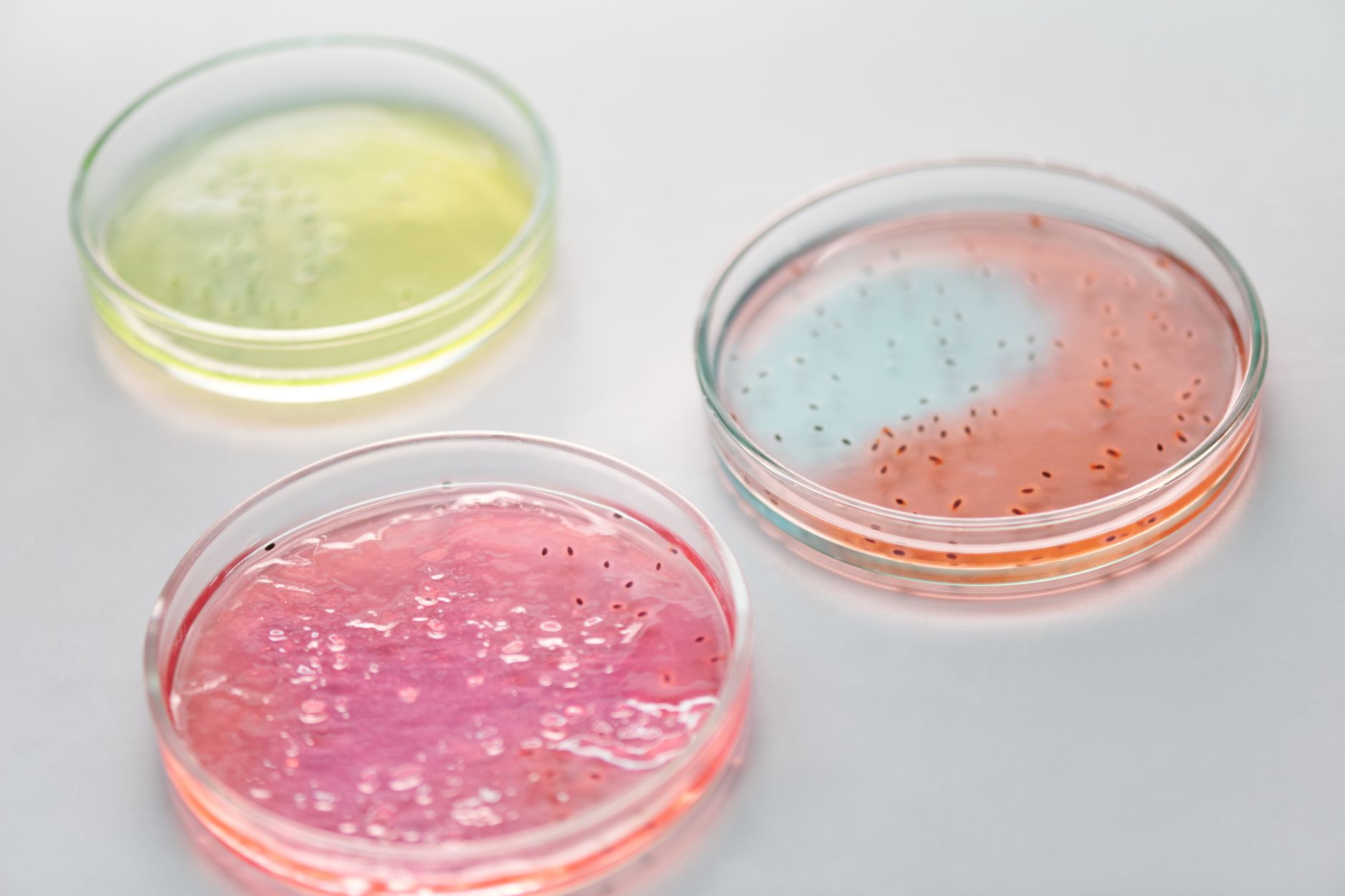
When researchers culture pathogens in sterile laboratory environments, survival timelines can be deceiving. A bacterium surviving 14 days in a controlled growth medium tells us about its hardiness under optimal or semi-optimal conditions—but says almost nothing about whether it will replicate, remain viable, or cause harm in an actual supplement capsule sitting on a shelf.
The critical gap: lab survival studies use conditions explicitly designed to keep pathogens alive. Temperature stability, nutrient availability, pH buffers, and absence of competitive organisms all favor bacterial persistence. Real supplement bottles contain none of these luxuries. This distinction matters enormously when evaluating contamination risk.
That said, the research does reveal something important about bacterial resilience that directly impacts supplement manufacturing and quality control protocols.
Salmonella Persistence: Why Shelf Stability Matters More Than Survival Days
Salmonella species have been extensively studied in food science. A 2019 study from the University of Georgia (lead: Juneja et al., published in the Journal of Food Protection) found that Salmonella typhimurium survived at least 14 days in dry conditions at room temperature, with viability declining but not disappearing entirely.
What makes this relevant to supplements: most capsules and powders are stored dry. However, the presence of moisture, light exposure, and ambient temperature fluctuations all accelerate bacterial death in ways laboratory petri dishes eliminate.
The real risk isn't survival—it's contamination at the source. Salmonella in supplements traces back to raw material sourcing (particularly herbal ingredients, probiotics, and mineral powders sourced from regions with weaker hygiene controls). Once a pathogen enters a closed bottle, it may survive for weeks, but the presence of an organism and its ability to cause infection are different questions entirely. A dead bacterial cell triggers no illness.
Supplement manufacturers address this through:
- Pathogen testing before encapsulation (USP <2023> microbial limits standards)
- Heat treatment or irradiation of vulnerable raw materials
- Moisture control during storage (desiccant packets)
- Batch traceability systems
E. coli Viability: Why Testing Frequency Matters
Escherichia coli survival in laboratory media has been documented extensively. A 2017 study by Saldaña et al. (Journal of Applied Microbiology) demonstrated that various E. coli strains persisted for 10-21 days depending on media composition, temperature, and oxygen availability.
For supplement safety, this creates a specific concern: E. coli contamination typically indicates fecal matter exposure during manufacturing or packaging. Unlike salmonella, which can originate from animal feed sources, E. coli presence suggests a direct hygiene failure.
The 14-day survival window in lab conditions has practical implications for supplement manufacturers' testing protocols. Third-party testing labs typically run results within 24-72 hours of submission, which means a contaminated batch could theoretically be packaged and distributed before pathogenic load becomes undetectable through standard culture methods.
This is why specification documents for supplements now increasingly include:
- Pre-manufacturing material testing (not just final product testing)
- Environmental monitoring of production facilities
- Rapid detection methods (PCR-based identification) rather than relying solely on culture viability
Staphylococcus aureus: Toxin Production vs. Bacterial Survival
Staphylococcus aureus presents a distinct hazard profile from enteric pathogens like salmonella and E. coli. A 2020 meta-analysis by Gould et al. (Antimicrobial Resistance & Infection Control) aggregated survival data for S. aureus across multiple studies, showing survival ranges of 7-56 days depending on surface type and environmental conditions.
The critical factor: S. aureus doesn't just need to survive—certain strains produce enterotoxins (staphylococcal enterotoxins A, B, C) that can cause illness independent of living bacterial presence. This means a supplement bottle could theoretically harbor dead S. aureus alongside viable toxins produced before the organism died.
Lab studies showing 14-day survival specifically matter here because they often measure bacterial viability, not toxin stability. Toxins are more heat-stable than the bacteria that produce them. Supplement manufacturers must therefore consider:
- Whether heating/irradiation adequate to kill bacteria also neutralizes toxins
- Whether testing protocols detect toxins or only viable organisms
- Temperature history of raw materials before arrival at manufacturing facilities
Current USP and FDA guidelines require S. aureus testing for products intended for oral consumption, with specification limits of <1000 CFU/gram. This threshold is conservative—it assumes even non-toxigenic strains pose risk if present in high numbers.
What Supplement Testing Actually Screens For
When a reputable supplement brand claims third-party testing or USP certification, here's what that typically covers:
USP <2023> microbial limits testing identifies total aerobic bacterial count (not species-specific), presence of E. coli, Salmonella, and S. aureus. NSF International and ConsumerLab use similar methods. However, these tests measure viable organisms at the moment of testing, not potential for survival or regrowth after packaging.
The 14-day lab survival data becomes relevant only if:
- A contaminated batch somehow escaped testing (manufacturing system failure)
- Recontamination occurs post-packaging (rare with sealed capsules/bottles)
- Storage conditions are suboptimal (high humidity, temperature fluctuations)
Most contamination incidents in supplements are caught before distribution. The FDA's Enforcement Reports from 2022-2024 show that pre-market testing identifies the majority of problematic batches. Post-market contamination traced to supplement use remains uncommon relative to food-borne illness from fresh produce or animal products.
Raw Material Sourcing and Geographic Risk Variation
The origin of supplement ingredients significantly influences contamination probability. A 2021 analysis by Oakley et al. (Frontiers in Nutrition) examined microbial contamination rates in herbal supplements by source region. Ingredients from regions with less stringent agricultural and manufacturing regulations showed 8-12% contamination rates, compared to <1% from FDA-regulated domestic facilities.
The 14-day survival window matters most for ingredients that: Have high baseline contamination risk (imported botanicals, especially those used in traditional or unregulated markets) Undergo minimal processing (raw powders, unencapsulated herbs) Are stored in warm, humid conditions before reaching US distribution networks
Supplement brands managing this risk implement supplier audits, certificate-of-analysis requirements, and point-of-entry testing for imported materials. If a raw material tests positive for pathogens, it's quarantined and either discarded or sent for remediation (heating, irradiation). The material doesn't enter the supply chain where a 14-day survival window becomes relevant.
Storage Conditions and Real-World Bacterial Decay
Laboratory survival studies deliberately stabilize conditions to isolate the pathogen variable. In homes and stores, supplements face:
- Temperature fluctuations (60-75°F typical indoor range, but bathroom medicine cabinets reach 85-90°F)
- Humidity exposure (moisture ingress from opening caps, bathroom steam)
- Light exposure (UV degrades microbial cell membranes over time)
- Oxygen availability (sealed capsules limit oxygen; powder exposed to air has higher levels)
A 2018 study by Montville and Matthews (Food Microbiology) found that E. coli and Salmonella death rates accelerated significantly when samples were exposed to ambient temperature cycling and light, compared to dark, stable storage. In typical home conditions, bacterial viability declined by 50-70% within 7 days for many pathogens, even if they theoretically could survive 14 days under laboratory conditions.
This is why storage instructions matter. Supplements stored in cool, dark, dry conditions harbor lower residual contamination risk than those stored in humid bathrooms or bright kitchens.
When Should You Be Concerned About Supplement Contamination
Red flags that suggest elevated risk:
- Brand with no third-party testing certification (NSF, USP, ConsumerLab, Informed Choice)
- Supplement sourced from regions with known agricultural contamination issues and no remediation process
- Opened or damaged packaging suggesting post-manufacturing exposure
- Stored in visibly humid or hot environments for extended periods
- Brand previously issued recalls for pathogenic contamination
FDA databases and supplement recall tracking (through MedWatch) show which brands have documented contamination history. This is a more actionable risk assessment than general lab survival data.
The Gap Between Lab Data and Manufacturing Reality
The fact that salmonella, E. coli, and staph can survive 14 days in petri dishes has influenced supplement industry safety standards—but not by suggesting longer shelf lives. Instead, it justified:
- Shorter quarantine-to-release timelines (if pathogens can survive 2 weeks, testing must happen within 48-72 hours of manufacturing)
- Environmental monitoring requirements (preventing contamination is more efficient than hoping to catch it during testing)
- Raw material remediation standards (confirming thermal or radiation treatment adequate to handle hardy pathogens)
The 14-day survival window is a worst-case laboratory scenario. Real-world supplement contamination risk depends far more on manufacturing controls, testing protocols, and supplier auditing than on theoretical bacterial persistence in storage.
For consumers, the practical implication is straightforward: choose brands with verifiable third-party testing, store supplements properly (cool, dry, dark), and use products within their expiration dates. Lab survival data is relevant to manufacturers' quality assurance teams, not to individual purchasing decisions.