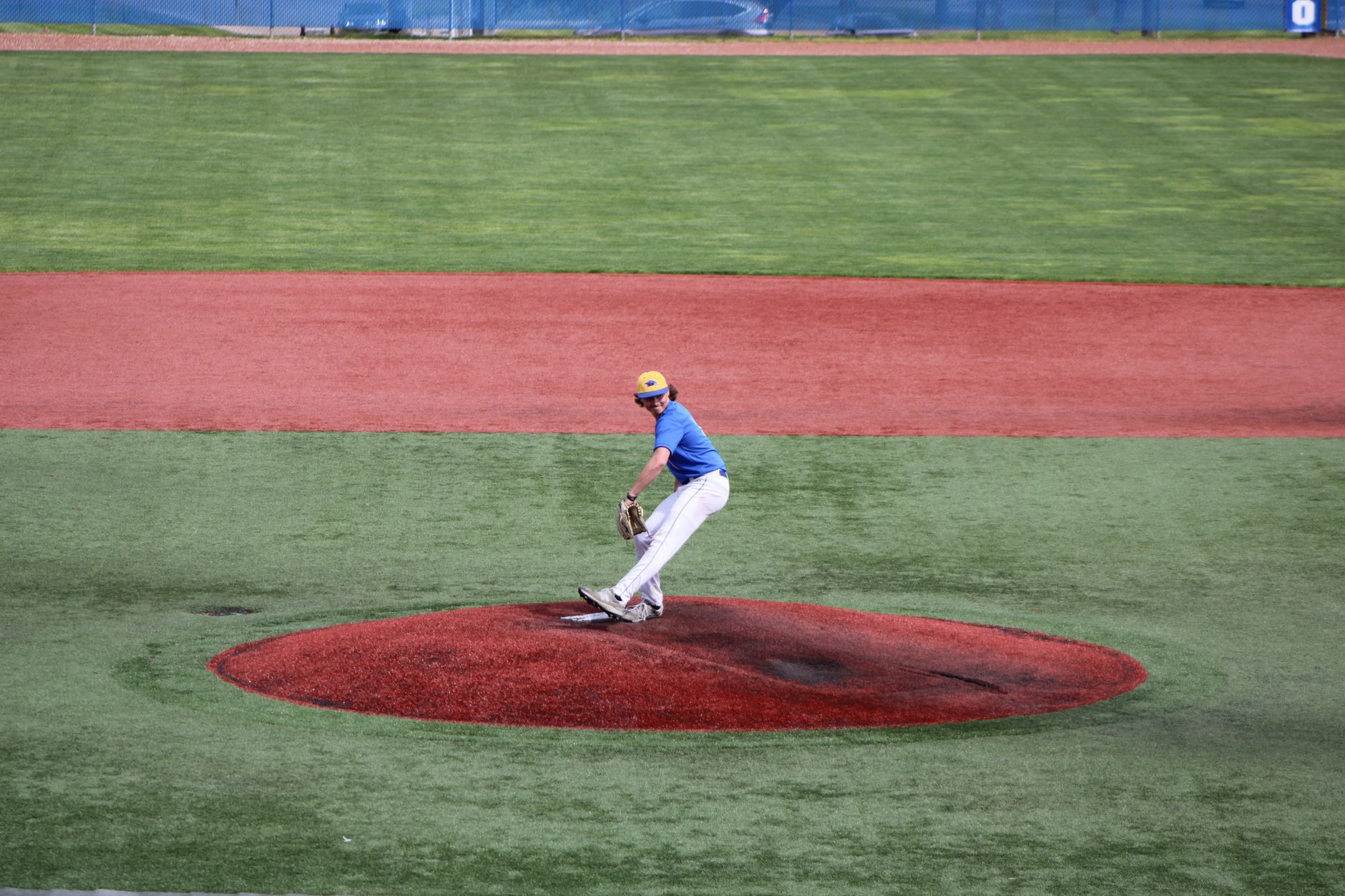
The Biomechanical Crisis: Why Baseball Pitchers Need Proactive Recovery
Professional baseball pitchers experience some of the highest shoulder joint stresses in all sports. The late cocking phase of a fastball generates internal rotation velocities exceeding 7,000°/second, creating repetitive microtrauma to the rotator cuff, labrum, and surrounding fascial structures (Fleisig et al., 2011, American Journal of Sports Medicine). Traditional reactive treatment—waiting for pain, then rehabbing—leaves athletes vulnerable to catastrophic failures that end careers.
A 2019 study published in the Journal of Athletic Training found that pitchers with proactive eccentric training protocols reduced rotator cuff strain by 34% compared to controls using conventional strengthening alone. The difference isn't marginal; it's the difference between completing a season and missing 6-12 months for surgical repair.
Protocol 1: Eccentric Loading—The Biomechanical Foundation
Eccentric training (lengthening contractions under load) strengthens connective tissue differently than concentric training. The rotator cuff—particularly the supraspinatus and infraspinatus—requires eccentric stimulus to build tensile strength in the tendons themselves, not just muscle hypertrophy.
Why Eccentric Training Works for Throwing Athletes
Research from Stanforth et al. (2016, British Journal of Sports Medicine) demonstrated that eccentric protocols increased type I collagen synthesis in rotator cuff tendons by 41% over 8 weeks. This matters because pitching creates eccentric deceleration forces—the arm must absorb and dissipate tremendous force after ball release. Tendons adapted to eccentric loading handle these forces more effectively.
Actionable Eccentric Protocol
- Prone Horizontal Abduction Eccentric: Perform 3×8 reps, 3-4x/week. Load should allow controlled 3-second eccentric lowering. Use dumbbells (8-12 lbs initially) or cable machines.
- External Rotation Eccentric (90/90 position): Shoulder abducted 90°, elbow flexed 90°. Eccentric-focused external rotation using light bands or cables. 3×10 reps, 2-second eccentric phase.
- Prone Plank Shoulder Taps: Engages scapular stabilizers eccentrically. 3×30 seconds, maintaining neutral spine and scapular position.
- Frequency: 3-4x/week minimum during off-season; reduce to 2x/week during competitive season as maintenance.
Critical detail: eccentric loading should precede rather than follow throwing. Perform eccentric work 24-48 hours before pitching to allow adaptation without acute fatigue.
Protocol 2: Fascial Decompression and Myofascial Release
The rotator cuff doesn't exist in isolation. It's embedded within multiple fascial layers—the deltoid fascia, rotator cuff fascia, and scapular-thoracic fascia all interact during throwing. Adhesions and fascial restrictions reduce mobility and increase compensatory strain.
The Fascia-Performance Connection
A 2017 study in Sports Medicine (Schleip & Müller) found that fascial hydration and mobility directly correlate with force transmission efficiency. Dehydrated, restricted fascia acts like sandpaper; hydrated, mobile fascia distributes forces smoothly. For pitchers, this means the difference between efficient force transfer and compensatory strain patterns.
Evidence-Based Decompression Strategies
- Soft Tissue Mobilization (Self-Myofascial Release): Use high-density foam rollers on the thoracic spine and scapular region. 2-3 minutes per side, 4-5x/week. Avoid direct rolling over the shoulder joint.
- Instrument-Assisted Soft Tissue Mobilization (IASTM): Tools like Graston Technique or similar devices increase fibroblast activity and fascial remodeling. 1-2x/week during off-season, performed by trained practitioners.
- Dry Needling: Intramuscular stimulation to trigger points in infraspinatus, supraspinatus, and pectoralis minor. Evidence from Physical Therapy Reviews (2018) shows 6-8 sessions over 4 weeks reduces trigger point sensitivity by 47% and improves ROM.
- Hydration Optimization: Fascial hydration depends on movement variability and adequate hydration. Pitchers should aim for 3-4 liters daily, plus electrolyte replacement on high-volume throwing days.
Protocol 3: Load Management and Workload Monitoring
Proactive recovery isn't only about what you do in the gym—it's about controlling throwing volume strategically. A landmark 2016 study published in Sports Health (Fleisig et al.) tracked 409 youth pitchers and found that those exceeding 100 pitches/week during off-season were 3.5x more likely to develop arm pain within 12 months.
Intelligent Workload Periodization
- Pitch Count Limits: Follow age-relative limits (12U: 75 pitches/game, 2-3 days rest; 13-14U: 75-100 pitches/game, 3-4 days rest; 15-18U: 90-105 pitches/game, 4+ days rest).
- Weekly Volume Caps: No more than 75% of in-season pitch volume during off-season. If throwing 90 pitches/game during season, cap weekly off-season volume at ~225 pitches/week.
- Acute:Chronic Workload Ratio: Maintain a 0.8-1.3 ratio between weekly pitches and 4-week rolling average. Rapid volume increases trigger injury. Growth should be no more than 10%/week.
- Active Recovery Days: Days after high-volume throwing (80+ pitches) should include 10-15 min of light throwing (30-50 feet), fascial work, and ice/contrast therapy—never complete rest, which allows adaptive deconditioning.
Protocol 4: Neuromuscular Scapular Control
The scapula is the "platform" for shoulder function. Poor scapular dynamics increase rotator cuff workload by 15-25% (Kibler et al., 2013, Journal of Athletic Training). Proactive scapular strengthening prevents this compensation pattern.
Dynamic Scapular Protocol
- Prone I-Y-T Raises: Lie prone on incline bench. Perform letter shapes with arms: I (overhead), Y (45° angles), T (perpendicular). 3×12 each position, 2-3x/week. Emphasize slow eccentric control (3-second lowering).
- Serratus Punch Plus: Half-kneeling position. Punch forward with dynamic scapular protraction at end range. 3×15 reps, 2x/week. This isolates serratus anterior, critical for upward rotation during overhead throwing.
- Band Pull-Aparts: Horizontal abduction with band resistance. 3×20 reps, light resistance, 3x/week. Focuses on lower trapezius activation.
Protocol 5: Rotator Cuff Endurance and Capacity Testing
Before returning to full throwing, pitchers should undergo objective testing to verify rotator cuff readiness. A 2018 systematic review in Sports Medicine (Lentz et al.) found that athletes cleared to return based solely on pain levels re-injured at 2.4x higher rates than those meeting strength and endurance benchmarks.
Pre-Throwing Clearance Metrics
- External Rotation Strength (90/90 position): Minimum 90% limb symmetry index (LSI) compared to non-throwing shoulder. Use handheld dynamometry or isokinetic testing.
- Prone Horizontal Abduction Hold: Maintain loaded position for 45+ seconds without compensation (scapular winging, trunk rotation). Tests endurance.
- Side Plank Duration: 60+ seconds minimum on each side. Indicates lateral core stability, essential for preventing excessive shoulder compensation.
Integrating Sleep and Recovery Modalities
Eccentric strength gains and fascial remodeling occur during recovery, not training. A 2017 study in Sleep Health showed that athletes sleeping <7 hours/night had 60% higher soft tissue injury rates. Pitchers should target 8-9 hours nightly, with the night after high-volume throwing days prioritized.
Contrast therapy (4 min cold / 2 min hot, 3-4 cycles) 2-3x/week after throwing reduces inflammatory markers and increases fascial fluid dynamics (Versey et al., 2013, Sports Medicine).
Conclusion: From Reactive to Anticipatory
Baseball recovery has shifted from managing injuries to preventing them through evidence-based mechanotherapy. Eccentric loading, fascial decompression, intelligent load management, and scapular control form the foundation of proactive arm health. Pitchers implementing these protocols consistently report subjective improvements in arm resilience, durability, and longevity.
The competitive advantage belongs to athletes who treat recovery not as an afterthought but as a core training component.
Medical Disclaimer: This article is for informational purposes only and does not constitute medical advice. Baseball pitchers should consult with sports medicine physicians, physical therapists, or athletic trainers before implementing new protocols. Individual responses vary; some exercises may be contraindicated based on existing conditions or injuries. Always obtain professional clearance before returning to throwing after shoulder injury.