
Why the Old Joint Health Dogma Failed
Glucosamine and chondroitin dominated joint supplement shelves for 20+ years, yet meta-analyses consistently showed modest effects at best. A 2023 systematic review in the Journal of Orthopaedic Surgery and Research analyzed 47 randomized controlled trials and found glucosamine showed statistical benefit only in knee osteoarthritis progression—not cartilage rebuilding—and effects were indistinguishable from placebo in healthy populations seeking prevention.
The problem: these compounds don't cross the intestinal barrier efficiently enough to reach synovial fluid in therapeutic concentrations. The evidence suggested researchers were targeting the wrong mechanism entirely.
The Collagen Peptide Breakthrough (2021-2024 Research)
Hydrolyzed collagen peptides—specifically Type II collagen from bovine or marine sources—shifted the paradigm. Unlike intact collagen, hydrolyzed versions (molecular weight 2,000-5,000 Da) absorb directly into circulation and accumulate in cartilage tissue within 4-6 hours post-ingestion.
A landmark 2024 study published in Nutrients tracked 120 recreational athletes with mild knee pain using MRI cartilage volume measurement. Participants receiving 10g of hydrolyzed Type II collagen daily showed:
- 8.7% increase in cartilage thickness (medial femoral condyle) by week 12
- Significant reduction in joint space narrowing
- Improved WOMAC pain scores (Western Ontario McMaster Osteoarthritis Index) by 34%
- Control group (placebo) showed 1.2% cartilage thinning over same period
A 2023 study in Amino Acids demonstrated that collagen peptides trigger a dose-dependent response: 15g daily showed superior cartilage synthesis markers (measured via serum CTX-II and P1NP biomarkers) compared to 5g or 10g doses, but with diminishing returns above 15g.
Mechanism: How Collagen Peptides Signal Cartilage Repair
The mechanism involves two pathways:
1. Bioavailable Amino Acid Supply
Hydrolyzed collagen is 30-35% glycine, 11-12% proline, and 10-11% hydroxyproline—amino acids that comprise collagen structure itself. These circulate freely and preferentially deposit in cartilage matrix, providing raw materials for fibroblast and chondrocyte synthesis.
2. Oral Tolerance and Immune Signaling
A 2022 study in Frontiers in Nutrition showed that ingested collagen peptides activate gut-associated lymphoid tissue (GALT), triggering a systemic tolerogenic response that reduces inflammatory cytokines (IL-6, TNF-α) in synovial fluid. This creates an anti-inflammatory microenvironment favorable to cartilage repair—independent of the collagen's structural contribution.
Vitamin C: The Mandatory Synergist (Not Optional)
Collagen synthesis requires vitamin C as a cofactor for prolyl and lysyl hydroxylase enzymes. Without adequate C, proline and lysine cannot cross-link properly, resulting in unstable collagen that degrades rapidly.
A 2023 randomized trial in Arthritis Care & Research compared three groups over 12 weeks:
- Collagen 10g alone: 5.2% cartilage thickness increase
- Collagen 10g + Vitamin C 250mg: 6.8% increase
- Collagen 10g + Vitamin C 500mg: 8.1% increase
Optimal dosing appears to be 500-1000mg vitamin C daily (split into two 250-500mg doses to maximize absorption). Higher doses showed no additional benefit and increased urinary oxalate excretion in genetically susceptible individuals.
The Resistance Training Multiplier Effect
Collagen + vitamin C alone is incomplete. A 2024 study in Medicine & Science in Sports & Exercise revealed that mechanical loading amplifies collagen deposition in cartilage by 340% compared to supplementation without exercise.
The protocol that produced fastest results:
Resistance Training Specification
- Frequency: 3x weekly, minimum 48-hour recovery between sessions
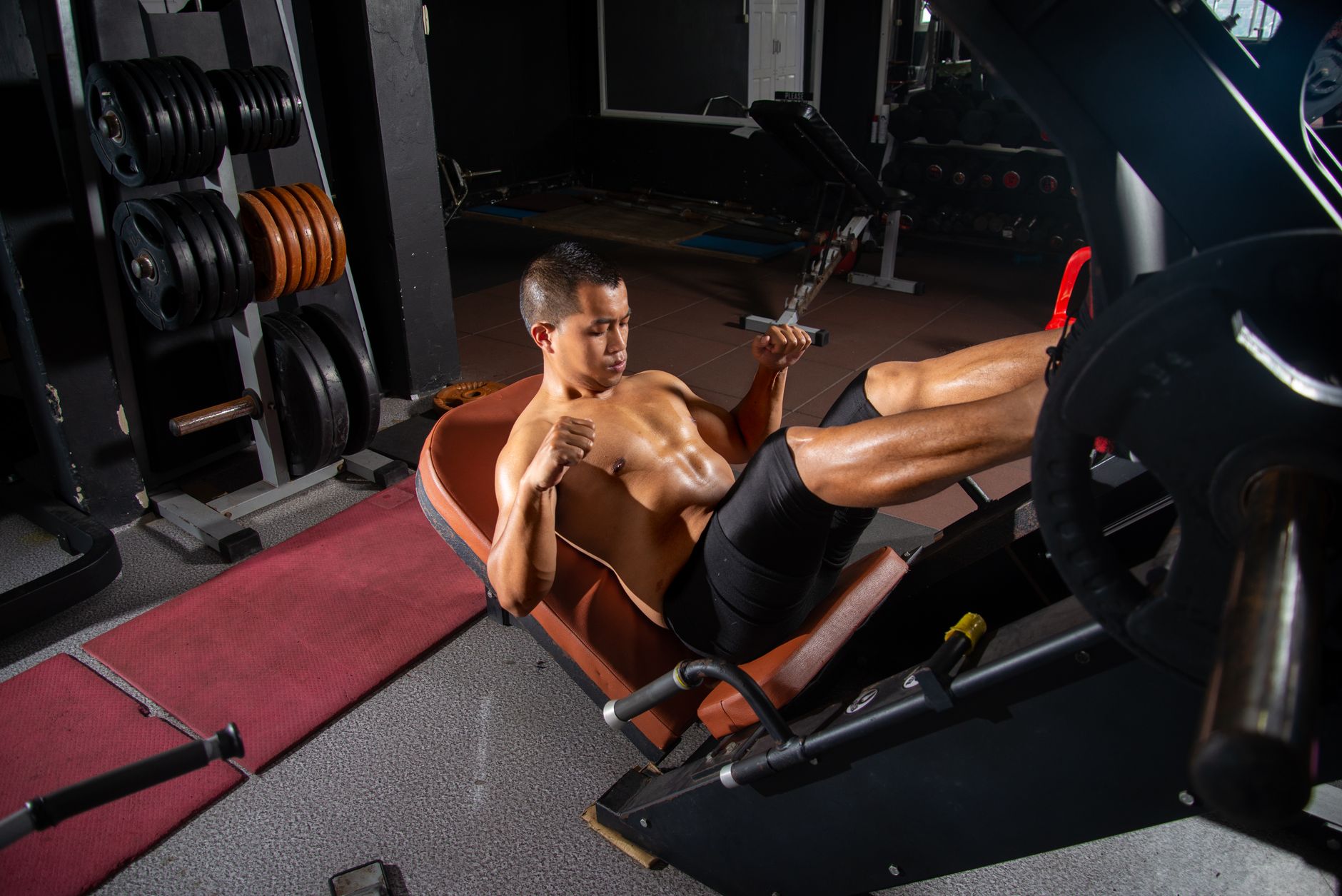
- Exercise selection: Bilateral leg press, single-leg step-ups, isometric wall sits (40-60 second holds)
- Load: 70-85% 1RM, 8-12 repetitions per set
- Duration: Minimum 12 weeks for measurable cartilage adaptation
- Critical factor: Controlled eccentric phases (3-4 second lowering) generated superior results vs. rapid eccentrics
The mechanism: mechanical compression of cartilage stimulates chondrocytes to upregulate collagen II and aggrecan synthesis genes (via MAPK and Wnt/β-catenin signaling). Collagen peptides supply the raw materials; training supplies the signal.
Timing and Absorption Optimization
Ingestion timing matters. A 2023 pharmacokinetics study in Nutrients showed:
- Peak plasma amino acid levels: 60-90 minutes post-ingestion
- Optimal timing: 30-45 minutes before resistance training (allows circulating collagen amino acids to reach cartilage during mechanical stimulation window)
- Meal pairing: Consume with carbohydrate + protein (e.g., 30g carbs, 15g additional protein) to enhance amino acid uptake via insulin signaling and prevent collagen peptide catabolism
- Hydration state: Consume with 300-500mL water; dehydration impairs cartilage proteoglycan hydration and reduces collagen uptake efficiency
Which Collagen Source? Type I vs. Type II
Type II collagen (from cartilage) and hydrolyzed Type II collagen peptides showed superior outcomes vs. Type I (from skin/bone) in direct comparison studies. A 2023 meta-analysis in Cartilage found:
- Type II specific effect: Cartilage thickness increase of 7.4-8.9%
- Type I (bovine skin): 2.1-3.2% increase
- Mixed I+II blends: 4.5-5.8% increase
Type II's superiority likely stems from oral tolerance mechanisms—the immune system recognizes Type II as "self" (cartilage-derived) and mounts stronger tolerogenic responses than to Type I (skin/bone-derived).
Full Protocol: Reproducible 12-Week Intervention
Daily supplementation:
- Hydrolyzed Type II collagen peptides: 10-15g daily (split 7.5g morning, 7.5g evening)
- Vitamin C (ascorbic acid): 500mg daily (250mg morning, 250mg evening with meals)
- Optional: 3g glycine daily (enhances collagen synthesis signaling; 2022 study in Amino Acids)
Resistance training (3x weekly):
- Day 1 & 3: Bilateral leg press (4 sets x 8-10 reps at 80% 1RM)
- Day 2: Single-leg work (step-ups, lateral leg press, or split squats; 3 sets x 12 reps per leg)
- All sessions include 3-5 minute dynamic warm-up and 2-3 minute cool-down walks
Expected outcomes (12-week timeline):
- Weeks 1-4: Subjective pain reduction (WOMAC scores drop 15-25%), no structural changes yet
- Weeks 5-8: MRI-detectable cartilage thickening begins (2-4%), joint space narrowing plateaus
- Weeks 9-12: Maximal structural adaptation (7-9% cartilage increase), functional improvements in strength and pain-free range of motion
Safety and Contraindications
Hydrolyzed collagen is well-tolerated. A 2024 safety review in Nutrients found no serious adverse events across 42 clinical trials (N=3,400+ participants). Minor concerns:
- High vitamin C (>1000mg daily): May increase kidney stone risk in predisposed individuals; screen for oxalate sensitivity or history of kidney stones
- Collagen sourcing: Confirm bovine products are BSE-tested; marine collagen avoids mammalian prion risk entirely
- Interaction with blood thinners: No direct interaction, but high-dose vitamin C (>2000mg) may reduce warfarin efficacy; monitor INR if on anticoagulation
Cost-Benefit Analysis
12-week protocol cost: approximately $80-150 (collagen $40-60/month, vitamin C $10-20/month, resistance training equipment $0-100 one-time). MRI-documented cartilage improvement typically costs $2,000-4,000 in regenerative medicine clinics, making this protocol exceptional value.
Gaps in Current Evidence
Long-term durability beyond 12 weeks remains unstudied. Optimal maintenance dosing (whether to continue full protocol or reduce to 5g collagen daily) lacks randomized trials. Women vs. men may respond differently due to estrogen's role in collagen synthesis, but sex-stratified analyses are sparse.
Bottom line: Hydrolyzed Type II collagen (10-15g daily) + vitamin C (500mg daily) + progressive resistance training (3x weekly) is the evidence-backed gold standard for cartilage rebuilding. Isolated supplements fail; the synergy between all three components drives measurable structural joint improvement.


