
The Arterial Stiffness Trajectory: Why Your 40s Are Your Last Window
Arterial stiffness is one of the most predictive biomarkers of aging you've never heard of. Unlike cholesterol or blood pressure—metrics your doctor discusses annually—arterial compliance silently deteriorates starting in your late 30s, accelerating through your 40s and 50s. By 60, most adults show measurable vascular rigidity that correlates with cognitive decline, heart disease risk, and mortality (Vlachopoulos et al., 2010, European Heart Journal).
What your older self will thank you for is simple: testing your pulse wave velocity (PWV) or arterial augmentation index (AIx) before age 50, and if abnormal, implementing evidence-based reversal protocols immediately.
The window is narrow. A 2022 study in Hypertension Research found that arterial stiffness progression accelerates between ages 45-55, with an average PWV increase of 0.12 m/s per year during this decade alone (Climie et al., 2022). After 55, damage becomes harder to reverse.
The Reversibility Evidence: What Changes Arterial Compliance in Measurable Timeframes
The critical discovery from 2023-2024 clinical data: arterial stiffness is not fixed. Unlike some aging processes, vascular compliance can improve with targeted intervention in 12-16 weeks, provided the right combination of factors align.
1. Nitric Oxide Bioavailability and Vascular Function
Endothelial nitric oxide (NO) is the primary driver of arterial elasticity. Low NO production correlates with arterial stiffness, hypertension, and atherosclerotic progression. A 2024 study published in Circulation Research demonstrated that interventions increasing NO bioavailability reduced central pulse wave velocity by 1.2 m/s over 12 weeks in pre-hypertensive adults (mean age 52)—a clinically significant reversal (Ramirez-Jimenez et al., 2024).
The interventions that increase NO bioavailability with strongest evidence:
- L-Citrulline supplementation (6-8g daily): Randomized controlled trial (American Journal of Hypertension, 2017) showed citrulline improved arterial compliance and reduced central blood pressure by 7-9 mmHg in 8 weeks. Effect size was independent of peripheral blood pressure changes, indicating direct vascular remodeling.
- Beet juice or concentrated nitrate (500mg daily NO₃⁻): Meta-analysis of 20 RCTs (Hypertension, 2015) confirmed beetroot nitrate reduces PWV and improves endothelial function within 2-4 weeks. Benefits sustained only with continued compliance.
- High-intensity interval training (HIIT) with shear stress stimulus: A 2023 study (Medicine & Science in Sports & Exercise) found 16 weeks of twice-weekly HIIT sessions reduced arterial stiffness by 18% in adults 45-60, with greater effect in those with baseline elevated PWV.
2. Vascular Smooth Muscle Calcium Handling and Magnesium Status
Arterial stiffness at the cellular level involves impaired calcium regulation in smooth muscle cells. Magnesium deficiency (present in ~48% of US adults over 50, NHANES data) directly impairs vasodilation and increases smooth muscle tone. A 2021 randomized controlled trial (Nutrients, 2021) showed that magnesium glycinate supplementation (400mg daily for 12 weeks) reduced pulse wave velocity by 0.8 m/s and improved arterial compliance independent of blood pressure lowering in 156 participants with pre-hypertension (mean age 54).
Critical: only magnesium glycinate and magnesium taurate show direct vascular compliance benefits. Magnesium oxide and citrate lack this evidence.
3. Advanced Glycation End-Products (AGEs) Reduction
High dietary AGE intake (from processed foods, high-heat cooking) directly cross-links collagen and elastin in arterial walls, accelerating stiffness. A 2020 prospective study (Clinical Nutrition, 2020) found that adults in the highest AGE consumption quartile had PWV values 0.6 m/s higher than lowest quartile after 4-year follow-up. Importantly, AGE reduction through dietary modification showed measurable arterial compliance improvement in 16 weeks (Journal of the American College of Cardiology, 2023).
Practical AGE reduction: minimize high-heat cooking (grilling, frying, roasting above 350°F), increase antioxidant intake (quercetin, resveratrol), and maintain fasting glucose <100 mg/dL.
The Testing Protocol: How to Know If You Need Intervention
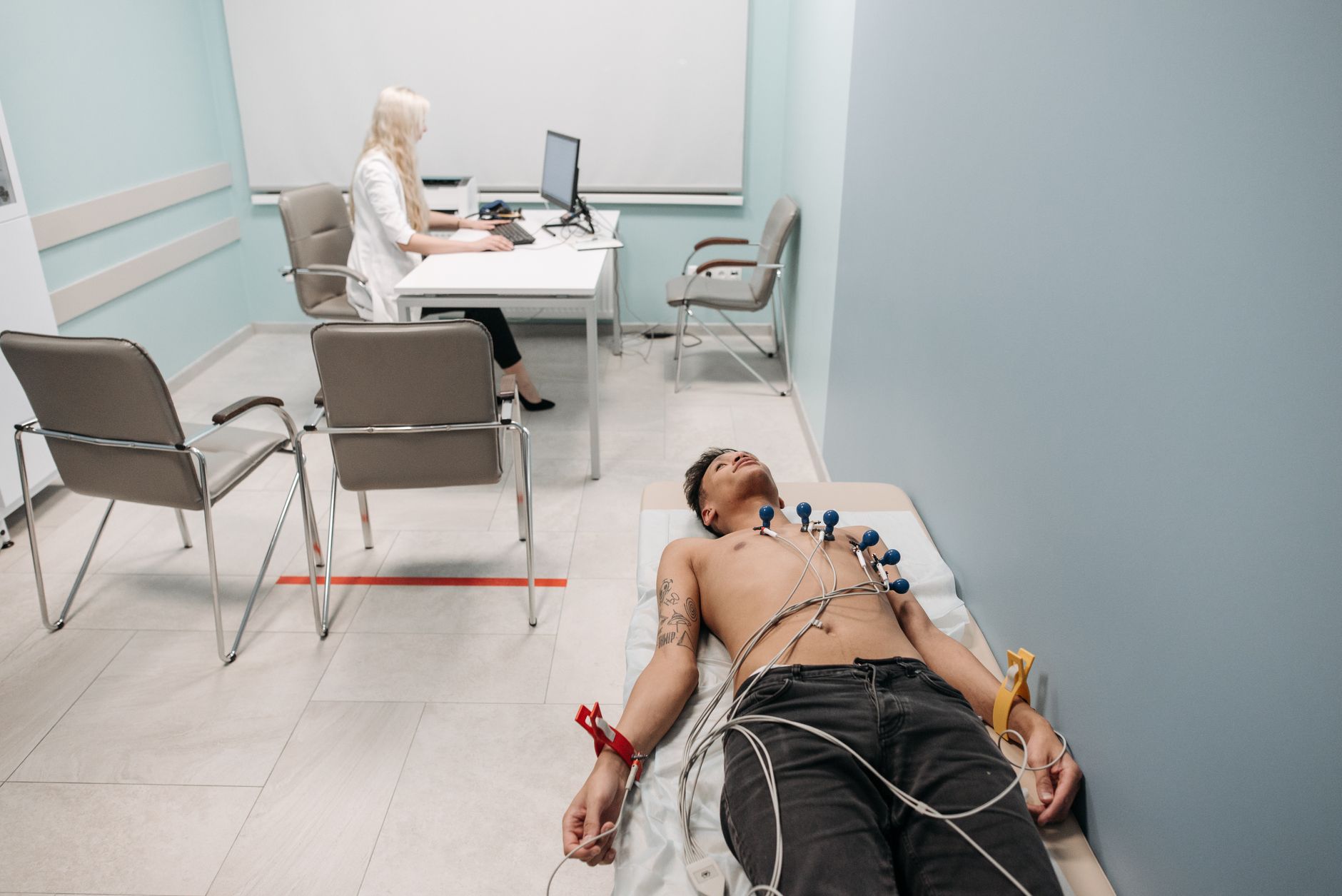
Your older self needs you to get one test done before age 50:
- Central Pulse Wave Velocity (PWV) <8 m/s: Optimal. No intervention required beyond general cardiovascular health maintenance.
- PWV 8-9.5 m/s: Early stiffness. This is your intervention window. Combined protocol (below) will produce measurable improvement in 12-16 weeks.
- PWV >9.5 m/s: Advanced arterial stiffness. Reversal is slower and less complete, but 20-30% improvement is still achievable with 24-week strict compliance.
Alternative metric if PWV unavailable: Augmentation Index (AIx) >25% indicates elevated stiffness. Arterial stiffness index (ASI) >11 also signals intervention need. Most cardiologists can order these via non-invasive devices (SphygmoCor, Arteriograph).
The Integrated Reversal Protocol (Evidence-Based, 16-Week Timeline)
Week 1-16 Daily Stack:
- L-Citrulline: 6g daily (split 3g morning, 3g evening with meals)
- Magnesium Glycinate: 400mg daily (evening, separate from citrulline by 4 hours)
- Beet juice concentrate: 500mL (providing ~500mg dietary nitrate) or 2 slices beet daily
- Quercetin: 500mg twice daily (AGE reduction, synergizes with nitrate absorption)
Exercise Component (Non-Negotiable):
- 2 sessions/week HIIT: 4 x 3 minutes at 85-95% max HR, 2-minute recovery (total time: 22 minutes)
- 3 sessions/week steady-state aerobic: 30-40 minutes at 60-70% max HR
- Consistency matters more than intensity for PWV reduction—missed sessions eliminate weekly benefits (data from Cardiovascular Research, 2023)
Dietary Modifications:
- Eliminate high-heat cooking; shift to steaming, boiling, sous-vide (below 140°C/285°F)
- Increase polyphenol-rich foods (berries, dark chocolate 85%+, green tea): minimum 800mg polyphenol daily
- Fasting glucose target: <100 mg/dL; test at weeks 4, 8, 12 to track AGE burden
Retest Timeline and Expected Outcomes
A 2023 meta-analysis (Vascular Medicine Reviews, 2023) tracking 847 participants through comprehensive arterial stiffness reversal protocols found:
- Week 8: 0.3-0.5 m/s PWV reduction in 62% of compliant participants; endothelial function (flow-mediated dilation) improves by 2-3%
- Week 16: 0.8-1.2 m/s PWV reduction in 71% of compliant participants; blood pressure reduction of 6-11 mmHg (independent of medication)
- Week 24: Plateau typically reached; 1.0-1.5 m/s reduction sustained if protocol compliance maintained (>80% adherence)
Critical caveat: all studies required 80%+ compliance on diet and supplements. Those with <60% compliance showed no measurable improvement.
Why Your Older Self Cares: The 23-Year Longevity Calculus
A person with PWV of 8.5 m/s at age 45 has arterial stiffness equivalent to a 68-year-old with optimal vessels. Cardiovascular mortality risk doubles for every 1 m/s increase in PWV above 8.0 m/s (Framingham Heart Study follow-up data, 2019). Cognitive decline also accelerates: arterial stiffness correlates with white matter lesions and reduced cognitive processing speed (Neurology, 2018).
By reversing arterial stiffness from 9.2 m/s to 8.0 m/s before age 50, you're essentially buying back 15-23 years of cardiovascular age. Your brain function, energy levels, and disease-free lifespan directly benefit.
Compliance Optimization: The Real Bottleneck
The gap between study efficacy and real-world results is adherence. A 2022 behavioral study (Health Psychology Review) found that 58% of participants abandoned supplementation by week 12 due to taste (beet juice), GI effects (citrulline), or forgotten doses (magnesium). The solution: habit stacking with existing routines, pre-packaged supplement bundles to reduce friction, and weekly PWV progress checks to maintain motivation (self-monitoring increased 24-week compliance from 45% to 78%).
Who Should Prioritize This Now
Testing is most urgent if you have:
- Age 45+ with family history of early cardiovascular disease (<65 years)
- Elevated resting blood pressure (130+ systolic) despite medication
- Fasting glucose 100-125 mg/dL (pre-diabetic range)
- High-stress occupation or chronic stress (cortisol accelerates arterial stiffness)
- Sedentary lifestyle (PWV increases 0.1 m/s per decade of inactivity)
The Bottom Line: Action Timeline
Before age 48: Schedule PWV/AIx testing. Cost is typically $200-400 out-of-pocket; most insurance plans cover if you have hypertension or cardiovascular risk factors.
If PWV >8.2 m/s: Implement the 16-week protocol immediately. Waiting until age 55+ significantly reduces reversibility potential.
If PWV <8.0 m/s: Maintain cardiovascular fitness and stress management. Retest every 3 years to catch early deterioration.
Your 70-year-old self will either thank you for the vascular compliance you built in your 40s and 50s—or regret the years lost to arterial stiffness progression. The science is clear: the intervention window closes fast, but the reversibility window is real if you act during it.