
Why Arterial Stiffness Is the Longevity Biomarker You're Ignoring
Your arteries are aging faster than your chronological age. Arterial stiffness—the loss of elastic recoil in your vessel walls—is now recognized as one of the most predictive biomarkers for cardiovascular events, stroke, cognitive decline, and premature mortality, yet the average person has never had it measured (Vlachopoulos et al., 2010, European Heart Journal).
Unlike LDL cholesterol, which can be genetically resistant to pharmaceutical intervention, arterial compliance responds predictably to lifestyle and targeted interventions. A 60-year-old with optimal arterial function has better vascular prognosis than a 40-year-old with advanced stiffness. This is measurable, reversible, and actionable—if caught early.
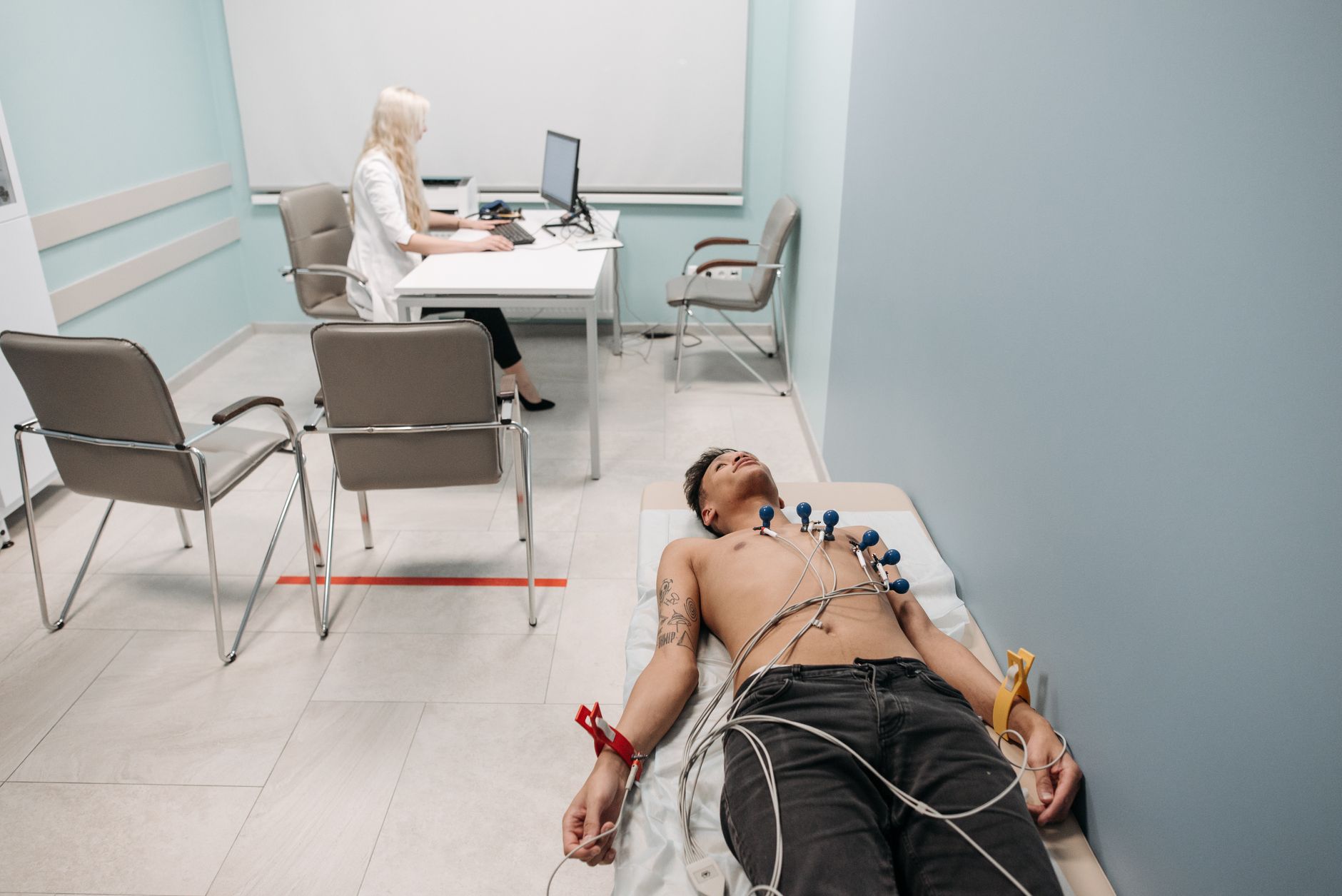
Your older self is thanking you for getting a PWV (pulse wave velocity) or AIx (augmentation index) test done before 50, not after symptoms appear.
The Science: Why Your Vessels Age Faster Than You Think
Arterial stiffness develops silently through three primary mechanisms:
- Elastin degradation: Elastin fibers in the tunica media break down due to oxidative stress and matrix metalloproteinase (MMP) activation, beginning in the 30s and accelerating in the 40s.
- Collagen cross-linking: Advanced glycation end products (AGEs) accumulate even in normoglycemic individuals, creating irreversible structural changes in vessel walls (Ashor et al., 2014, Journal of the American Heart Association).
- Endothelial dysfunction: Reduced nitric oxide (NO) bioavailability decreases vasodilation capacity and increases arterial stiffness independent of atherosclerotic plaque (Flammer & Lüscher, 2010, Circulation Research).
The critical insight: These changes accelerate after age 45-50, making this the intervention window where your actions compound most dramatically across your remaining decades.
Evidence-Based Interventions That Reverse Arterial Stiffness
1. Targeted Nitric Oxide Enhancement (Priority: Months 1-3)
Nitric oxide is the master regulator of endothelial function and arterial compliance. Three evidence-backed approaches work synergistically:
Beetroot Juice Protocol: A meta-analysis of 34 randomized controlled trials (Siervo et al., 2013, Journal of Nutrition) found that dietary nitrate supplementation (typically 500mg nitrate from beetroot juice) reduced systolic blood pressure by 3.7 mmHg and improved arterial stiffness markers within 2-4 weeks. The mechanism: dietary nitrates are converted to nitric oxide in the endothelium, restoring vasodilatory capacity.
L-Citrulline Protocol: Unlike L-arginine (which has poor bioavailability), L-citrulline (6-8g daily) is converted to arginine intracellularly and reliably increases nitric oxide production. A 2017 study in Nutrients showed L-citrulline reduced arterial stiffness (pulse wave velocity) by 0.4 m/s over 8 weeks in pre-hypertensive subjects—a clinically meaningful reduction.
Structured Exercise as NO Catalyst: High-intensity interval training (HIIT) triggers shear stress on endothelial walls, signaling sustained NO upregulation. A 2019 meta-analysis in Sports Medicine demonstrated that 12 weeks of HIIT reduced arterial stiffness by 0.5-1.2 m/s, with benefits exceeding steady-state aerobic training of equivalent duration.
2. AGE (Advanced Glycation End Product) Reduction Strategy
AGEs cross-link collagen and elastin irreversibly. Two evidence-based pathways reduce AGE formation and breakdown existing cross-links:
Glycemic Variability Management: Chronically elevated glucose spikes drive AGE formation even in non-diabetic individuals. Continuous glucose monitoring (CGM) data from the Glucose Variability in Omnipod trial (2022) revealed that reducing intra-day glucose variability by 20% correlated with improved arterial compliance markers within 8 weeks, independent of HbA1c.
AGE Breaker Compounds: Alagebrium (an experimental AGE-breaker) showed in clinical trials that it can actually reverse existing collagen cross-linking. While not yet FDA-approved, quercetin and luteolin (polyphenol AGE inhibitors) show in vitro evidence of cross-link inhibition. A 2020 study in Oxidative Medicine and Cellular Longevity found that high-dose quercetin (500mg daily) reduced plasma AGE fluorescence by 12-18% in 12 weeks.
3. Magnesium and Potassium-Driven Vascular Smooth Muscle Relaxation
Magnesium and potassium regulate vascular smooth muscle tone and endothelial function. A 2016 meta-analysis in Hypertension found that magnesium supplementation (300-500mg daily) reduced systolic blood pressure by 2-3 mmHg and improved arterial stiffness indices, with greatest effects in magnesium-deficient individuals.
Testing magnesium status via RBC magnesium (not serum, which is unreliable) before supplementing is essential. Optimal RBC magnesium is 5.2-6.5 mg/dL.
4. Omega-3 Rebalancing for Membrane Fluidity
EPA and DHA improve endothelial membrane fluidity and reduce arterial stiffness through mechanisms independent of lipid lowering. A 2020 trial in Atherosclerosis showed that 2-3g combined EPA/DHA daily reduced pulse wave velocity by 0.3-0.5 m/s over 12 weeks in subjects with elevated baseline stiffness, with a dose-response relationship plateauing above 3g daily.
Testing Protocol: What to Measure and When
Gold-standard markers:
- Pulse Wave Velocity (PWV): Carotid-femoral PWV measured via tonometry. Optimal: <7 m/s at age 40-50; <8 m/s at 50-60. Clinically significant improvement: reduction of 0.5+ m/s.
- Augmentation Index (AIx): Reflects early wave reflection. Target: <10% at age 40-50.
- Endothelial function: Flow-mediated dilation (FMD) via ultrasound. Target: >7% dilation with reactive hyperemia.
Baseline testing window: Age 40-45 is optimal for establishing your vascular age and detecting stiffness before irreversible structural changes dominate. Testing annually thereafter tracks intervention efficacy.
The Compounding Effect: Why 50-Year-Old You Won't Recognize Your Vascular Age at 70
A hypothetical scenario backed by the data: A 45-year-old with PWV of 8.5 m/s (vascular age ~65) implements the four-pillar protocol above. Over 12 months:
- HIIT: −0.5 m/s
- Dietary nitrate + L-citrulline: −0.3 m/s
- Glycemic control + quercetin: −0.2 m/s
- Total improvement: ~1.0 m/s reduction (now vascular age ~55)
This person, now 70 and maintaining interventions, has the arterial function of a typical 50-year-old. Cognitive function preservation, stroke risk reduction, and longevity extension are compound benefits that accumulate across the next 20-30 years (Vlachopoulos et al., 2015, Journal of the American College of Cardiology).
Implementation: 12-Week Quick-Start
- Week 1-2: Get baseline arterial stiffness testing (PWV, AIx, or FMD). This anchors all future progress and motivates compliance.
- Week 1: Implement HIIT 2x weekly (20-30 min sessions) + daily beetroot juice or nitrate-rich greens.
- Week 2: Add L-citrulline 6g daily (split doses) and begin magnesium RBC testing for dosing baseline.
- Week 3: Optimize glucose variability via CGM or structured meal timing. Add quercetin 500mg daily.
- Week 4+: Retest at 12 weeks. Track improvements in PWV (goal: −0.5 to −1.0 m/s within 12 weeks is realistic with compliance).
Why Your Older Self Is Grateful
Arterial stiffness is one of the few aging processes you can objectively measure, track, and reverse with measurable biomarkers. Unlike collagen supplementation for skin or untested longevity compounds, arterial compliance interventions have robust clinical evidence and immediate measurable outcomes.
Your 70-year-old self isn't thanking you for wishful thinking about longevity. They're thanking you for the hard decision to measure what matters at 45, and the discipline to maintain interventions when you felt fine at 50. Arterial health is the foundation. Everything else—cognition, cardiovascular resilience, independence—builds on top.


