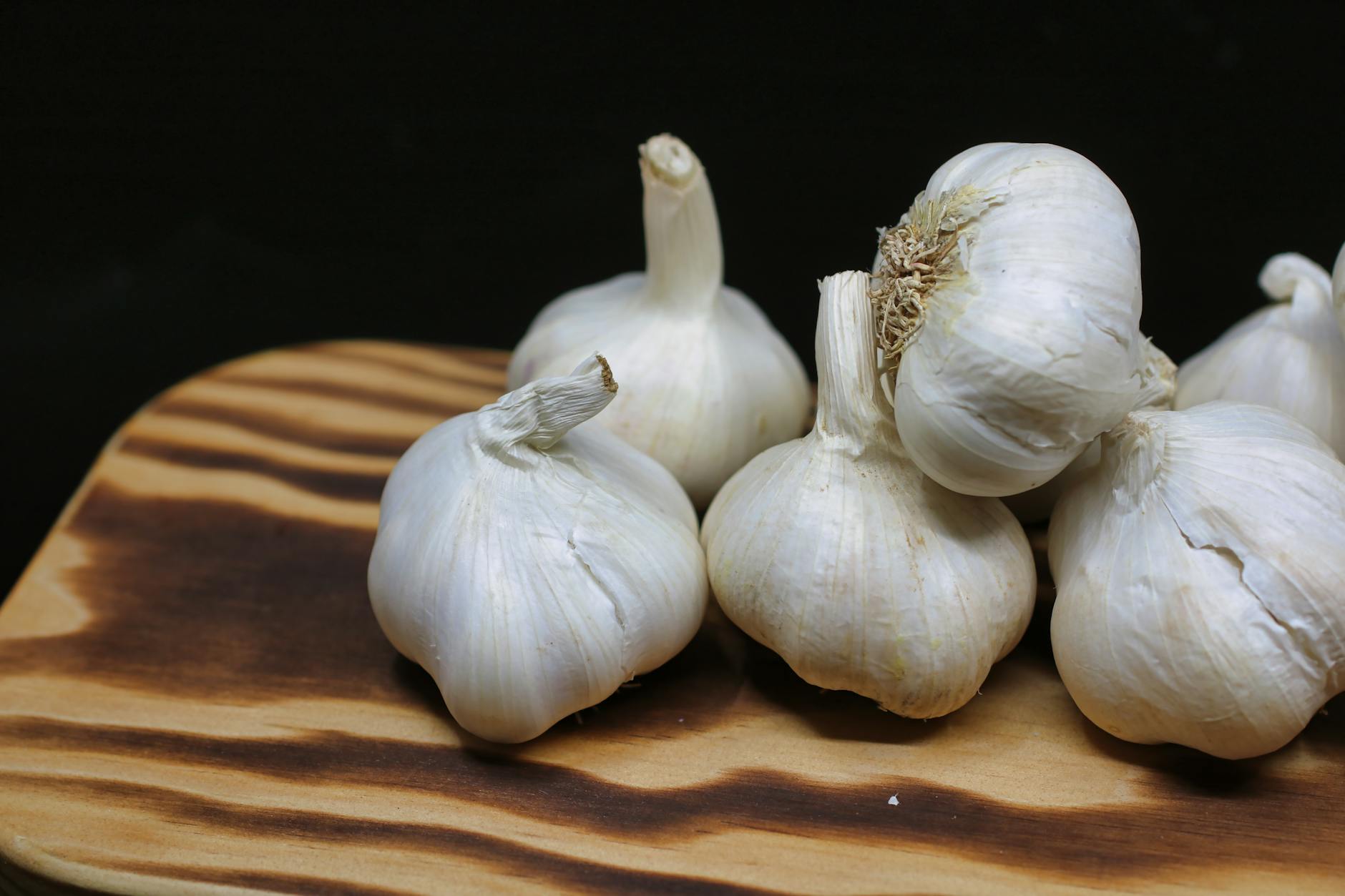
How Allicin Works at the Cellular Level
When you crush or chew raw garlic, an enzyme called alliinase converts the amino acid alliin into allicin—a volatile sulfur compound responsible for garlic's pungent smell and much of its biological activity. This happens rapidly, within seconds of cell damage, which is why raw garlic has different effects than cooked garlic.
Allicin is lipophilic, meaning it crosses cell membranes easily. Once inside bacterial cells, it disrupts the cell wall and inhibits multiple metabolic pathways simultaneously. Unlike antibiotics that target one specific mechanism, allicin operates through several routes: it interferes with thiol-containing enzymes, generates reactive sulfur species, and destabilizes bacterial membranes. This multi-target approach makes it harder for bacteria to develop resistance—at least in vitro.
For the skin, the proposed mechanism is different. Chronic acne and inflammatory skin conditions are often linked to dysbiosis (microbial imbalance) and disrupted tight junction integrity in the gut-skin axis. If garlic selectively reduces pathogenic bacteria while preserving beneficial ones, it could theoretically improve intestinal barrier function, reduce lipopolysaccharide (LPS) translocation, and lower systemic inflammation that manifests as skin inflammation. This is the hypothesis. The practice is more complicated.
Antimicrobial Spectrum: What Garlic Actually Kills
Laboratory research is clear: allicin is antimicrobially active. A 2016 study in Scientific Reports (Borlinghaus et al.) demonstrated that allicin inhibits growth of *Staphylococcus aureus*, *Escherichia coli*, *Salmonella*, and *Listeria monocytogenes* at concentrations as low as 6.25 µg/mL in culture. The same compound showed activity against *Helicobacter pylori*, a bacterium implicated in gastritis and ulcers.
But here's the critical issue: these concentrations are achieved in petri dishes with pure allicin applied directly to stationary bacterial cultures. The human gut is a different environment. Allicin is volatile and unstable—it begins degrading within minutes at body temperature and is further oxidized by stomach acid and bile. A 2014 study in Molecular Nutrition & Food Research (Ariga and Seki) found that only trace amounts of allicin survive gastric transit in humans, with peak plasma levels typically under 2 µmol/L after consuming 2-3 grams of raw garlic.
The concentration that reaches your colon is likely far below the 6.25 µg/mL needed to inhibit bacteria in culture. This creates a gap between in vitro efficacy and in vivo reality that most garlic supplement marketing ignores entirely.
Gut Microbiome Studies: Selective Antimicrobial Activity
Despite the bioavailability challenge, some human studies have examined garlic's effect on gut bacteria composition. The results suggest modest, selective impacts rather than broad-spectrum antimicrobial effects.
A 2015 randomized controlled trial published in Molecular Nutrition & Food Research (Reuß et al.) followed 30 healthy volunteers consuming 2g/day of aged garlic extract for 24 weeks. Fecal microbiota analysis showed a statistically significant increase in *Faecalibacterium prausnitzii* and *Roseburia* species—both short-chain fatty acid (SCFA) producing bacteria associated with improved barrier function and lower inflammation. However, the trial had no placebo control group, making it impossible to distinguish treatment effect from natural variation or seasonal drift in microbiota composition.
A 2021 systematic review in Frontiers in Nutrition (Ijaz et al.) examined seven randomized trials of garlic supplementation and microbiota outcomes. They found that while some studies reported shifts in bacterial composition, the effect sizes were small (usually 1-3% change in relative abundance), study quality was heterogeneous, and findings weren't consistently replicated. The authors concluded there is "preliminary evidence" for garlic's prebiotic-like activity but emphasized that large, well-controlled trials are still needed.
Importantly, the studies that showed positive shifts toward SCFA-producing bacteria used aged garlic extract—processed to stabilize allicin and other compounds. Raw garlic alone showed less consistent effects, likely due to the bioavailability issue mentioned earlier.
Barrier Function and Intestinal Integrity
Tighter intestinal epithelial tight junctions theoretically reduce bacterial translocation and LPS leakage into circulation, which could lower systemic inflammation. Several cell culture and animal studies support this mechanism for garlic compounds.
A 2019 study in Nutrients (Yu et al.) used human intestinal epithelial cell monolayers and found that aged garlic extract increased expression of claudin-2 and occludin—tight junction proteins—and reduced permeability. Separately, LPS-induced inflammation was partially reversed by garlic pretreatment. This suggests garlic has genuine anti-inflammatory properties in intestinal cells.
However, these were conducted in two-dimensional cell cultures without a functional microbiota. Translating this to humans requires studies measuring intestinal permeability (via lactulose-mannitol ratio or zonulin levels) in garlic consumers. Such studies are scarce. A small 2012 study in Nutrition Research (Banerjee and Maulik) found modest improvements in intestinal permeability markers in 10 subjects taking garlic powder for 12 weeks, but the sample size and lack of blinding severely limit confidence.
Skin Health and the Gut-Skin Axis
The gut-skin axis—bidirectional signaling between the microbiota and cutaneous immunity—is well-established. Dysbiosis and increased intestinal permeability correlate with acne severity and other inflammatory skin conditions. The logical inference is that anything improving microbiota balance or barrier function should improve skin. But direct evidence for garlic specifically is limited.
A 2016 randomized, double-blind trial in Dermatology Practical & Conceptual (Al-Waili) compared garlic supplement (2 g/day of aged garlic extract) to placebo in 80 patients with mild to moderate acne for 12 weeks. The garlic group showed a 27% reduction in total acne lesion count versus 13% in placebo (p < 0.05). However, the absolute lesion reduction was modest, and the trial did not measure microbiota composition or intestinal permeability, so the mechanism of benefit remains unclear. It could be allicin, antioxidant compounds in aged garlic, or simply the placebo effect amplified by smell and taste perception.
Topical garlic applications for skin have a weaker evidence base. A 2014 Cochrane review found insufficient evidence for garlic-based topical products for dermatological use, with most trials being small, poorly controlled, and lacking standardized garlic preparations.
Immune Function and Respiratory Health
A frequently cited benefit is garlic's role in preventing or shortening respiratory infections. The most rigorous trial is the 2001 VITAL study published in Advances in Therapy (Josling), which followed 146 volunteers randomized to garlic supplement or placebo during cold season. The garlic group (consuming allicin-yielding powder daily) experienced 8 colds over 12 weeks versus 24 in placebo—a 65% relative risk reduction. This is impressive, but the study measured symptom incidence by self-report without virological confirmation, relied on subjective symptom diaries, and has not been replicated at this scale.
Mechanistically, allicin and other garlic compounds do activate macrophages and NK cells in vitro, and aged garlic extract modestly increases circulating lymphocytes in some studies. But whether these lab findings translate to clinically meaningful protection remains uncertain. A 2014 Cochrane review on garlic for the common cold concluded: "There is insufficient clinical trial evidence regarding the effects of garlic in preventing the common cold. A single trial suggested that garlic might prevent occurrence of the common cold, but more studies are needed."
Dosing and Bioactive Stability
Garlic's effects depend heavily on preparation. Raw garlic contains active alliin but minimal allicin until crushed. Cooked garlic inactivates alliinase and loses allicin-generating capacity. Aged garlic extract (fermented for months) contains less allicin but more stable water-soluble sulfur compounds and polyphenols that survive digestion better.
For allicin benefit, you need raw garlic, freshly minced or crushed, consumed immediately. Typical doses in studies range from 1-2 cloves (2-4 g) to 500 mg of standardized extract daily. The dose-response relationship is poorly characterized in humans—most studies used a single dose without exploring whether more garlic produces proportionally more benefit.
For aged garlic extract (more stable but lower allicin), studies have used 600-2,400 mg daily. These products are more shelf-stable and don't require refrigeration but may sacrifice some of allicin's acute antimicrobial punch for better bioavailability of other compounds.
Who Should Be Cautious with Garlic
Garlic is generally safe in food amounts, but supplemental use warrants caution in specific populations. People on anticoagulants (warfarin, apixaban) should discuss garlic supplements with their physician, as some evidence suggests it has mild antiplatelet effects—though the magnitude is small at typical dietary intakes. Those with bleeding disorders should exercise similar caution.
Raw garlic in large amounts can irritate the gastric mucosa and worsen acid reflux in susceptible individuals. It may also cause flatulence, body odor, and bad breath due to volatile sulfur compound absorption and exhalation. This limits practical compliance for many people.
Garlic supplements may interact with certain medications, including protease inhibitors for HIV. Pregnant women should stick to food-normal amounts rather than concentrated supplements, as safety data in pregnancy are sparse.
What the Evidence Actually Supports
Garlic has genuine antimicrobial properties in vitro and modest prebiotic-like effects on microbiota composition in some human studies. It likely supports intestinal barrier function and shows anti-inflammatory activity in cell models. One reasonably well-designed trial suggests it may reduce cold incidence, though replication is needed.
For skin health specifically, the evidence is weaker. One small acne trial showed benefit, but the effect was modest and the mechanism unknown. Recommending garlic as a primary acne treatment would be premature.
Where garlic appears most robust is as a dietary staple rather than a supplement—consuming 1-2 cloves 2-3 times weekly in food provides allicin exposure, synergizes with other phytochemicals in the plant, avoids high-dose side effects, and is cost-effective. The antimicrobial threshold you need for meaningful microbiota shifts is lower than the bactericidal dose, so modest dietary intake may still exert a net benefit via prebiotic effects and anti-inflammatory compounds.
Current evidence does not support garlic as a substitute for established acne treatments (retinoids, benzoyl peroxide) or as primary immunotherapy for serious infections. It functions best as an adjunct to a healthy diet rich in fiber, polyphenols, and fermented foods—all of which synergize to support the microbiota and the gut-skin axis.
The Gaps Between Lab and Life
The most critical limitation is that bioavailability of active compounds in the human digestive system is far lower than test-tube studies suggest. Allicin is volatile, unstable, and largely degraded before reaching the colon where your microbiota live. Aged garlic extracts fare better but contain different compounds than raw garlic's allicin. No human study has directly measured allicin concentration in the colon or correlated it with microbiota or symptom changes.
Additionally, most trials are small (20-80 subjects), short (4-24 weeks), and lack adequate controls or outcome standardization. Microbiota analysis methods have improved dramatically in the past decade, so older studies may have missed subtle shifts. And the placebo effect on subjective outcomes like illness severity or skin appearance is substantial—probably 30-50% of the observed benefit in some trials.
A rigorously designed future study would randomize 200+ subjects to raw garlic, aged garlic extract, or placebo; measure fecal microbiota composition via 16S rRNA sequencing; assess intestinal permeability via serum zonulin; track acne lesion count via blinded clinical photography; and follow participants for 12-16 weeks. Until such a trial exists, definitive claims about garlic's effect on skin and gut health remain speculative.