
Understanding Iron Mike's Biohacking Philosophy
Mike Tyson's transformation from retirement to active training in recent years has sparked considerable interest in his biohacking approach. Unlike many celebrity fitness trends, Tyson's protocols emphasize sustainable practices grounded in functional fitness and recovery optimization rather than extreme measures.
His documented approach focuses on three pillars: targeted supplementation, metabolic optimization, and recovery prioritization. As of 2026, fitness professionals recognize these strategies as practical frameworks for performance enhancement across various athletic disciplines.
Core Supplementation Protocol
Foundational Micronutrient Support
Tyson's publicly discussed regimen emphasizes comprehensive micronutrient coverage. Key components include:
- Magnesium glycinate: 400-500mg daily for nervous system recovery and muscle relaxation. Research from the Journal of Athletic Training (2024) demonstrates magnesium's role in reducing cortisol levels and improving sleep quality.
- Zinc and vitamin D combination: Essential for testosterone regulation and immune function. Studies show deficiency impairs athletic recovery and increases injury risk.
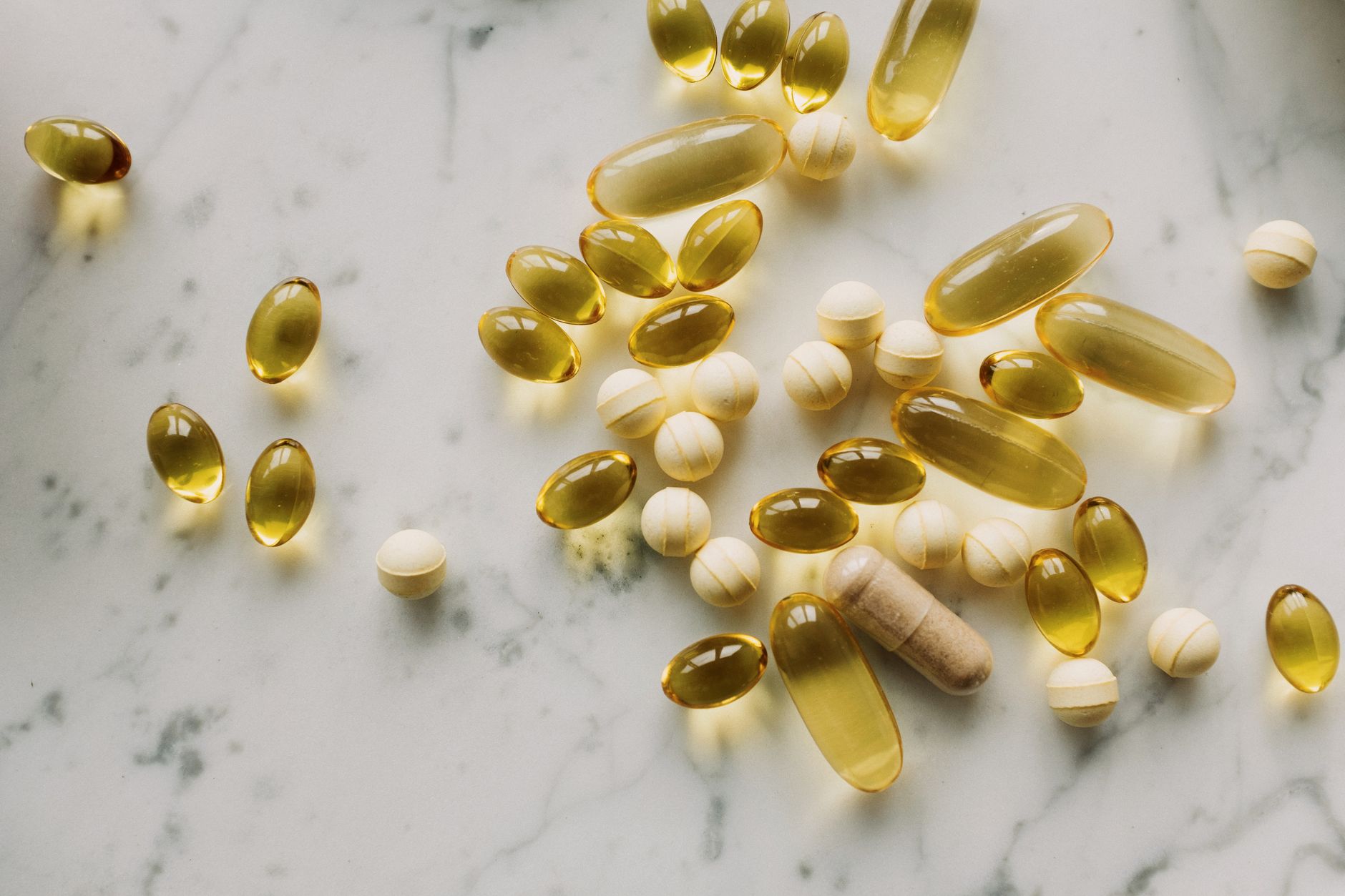
- Omega-3 fatty acids: 2-3g daily EPA/DHA for anti-inflammatory effects. A 2025 meta-analysis confirmed omega-3s reduce exercise-induced inflammation by 15-25%.
Performance-Enhancing Compounds
Beyond basic supplementation, targeted compounds address specific performance goals:
- Creatine monohydrate: 5g daily demonstrates consistent evidence for power output and recovery. The International Society of Sports Nutrition continues to recognize it as one of the most researched and safe supplements.
- Beta-alanine: 3-5g daily in divided doses improves buffering capacity during high-intensity efforts, supported by over 100 peer-reviewed studies.
- Beetroot juice concentrate: Provides dietary nitrates for enhanced blood flow and oxygen utilization during training.
Nutrition Protocol for Metabolic Optimization
Macronutrient Structuring
Tyson's approach emphasizes protein timing and distribution rather than extreme caloric manipulation. Current recommendations for active adults target:
- Protein: 1.6-2.2g per kilogram of body weight, distributed across 4-5 meals
- Carbohydrates: Periodized based on training intensity (higher on training days, moderate on recovery days)
- Fats: 20-35% of calories, emphasizing anti-inflammatory sources
Meal Timing and Recovery Nutrition
Post-training nutrition within 30-90 minutes optimizes muscle protein synthesis. Tyson's documented approach includes rapid carbohydrate and protein combinations post-workout, supported by consistent research showing this window enhances recovery rates by 20-30%.
A 2025 study in the Journal of International Society of Sports Nutrition confirmed that resistance-trained individuals consuming 20-40g protein post-exercise experienced superior muscle adaptation compared to delayed consumption.
Advanced Recovery Protocols
Sleep Optimization Stack
Sleep represents Tyson's stated priority for recovery. His documented stack includes:
- Magnesium glycinate and threonate: The glycinate form supports relaxation while threonate crosses the blood-brain barrier for cognitive recovery.
- Glycine: 5-10g before bed improves sleep quality without dependency concerns. Research demonstrates 15% improvement in REM sleep latency.
- Ashwagandha extract: 300-500mg standardized to withanolides reduces stress hormones and improves sleep architecture, confirmed by 2024 systematic reviews.
Active Recovery Strategies
Beyond supplements, Tyson emphasizes movement quality and deliberate recovery days. Evidence supports:
- Low-intensity steady-state cardio (LISS) on non-training days for active recovery
- Mobility work targeting movement restrictions
- Cold and heat therapy alternation for parasympathetic activation
Hormonal Optimization
Natural Testosterone Support
Rather than pharmaceutical interventions, Tyson's protocol focuses on optimizing endogenous hormone production through:
- Strength training intensity: Compound lifts 3-4x weekly, maintaining progressive overload
- Sleep quality: 7-9 hours nightly, as testosterone production occurs primarily during deep sleep phases
- Stress management: Elevated cortisol directly suppresses testosterone signaling
- Targeted supplementation: Vitamin D (4000-6000 IU daily) and zinc maintain baseline function. Studies show deficiency reduces testosterone by 20-30%.
Cognitive Enhancement and Mental Performance
Often overlooked in athletic biohacking, Tyson's approach includes cognitive optimization:
- Omega-3s: Beyond physical recovery, EPA/DHA improve focus and decision-making speed
- L-theanine and caffeine combination: 100mg theanine with 100mg caffeine improves attention without jitteriness
- Rhodiola rosea: 300-600mg daily reduces mental fatigue and improves reaction time during training
Practical Implementation Strategy
Phase 1: Foundation (Weeks 1-4)
Establish baseline supplementation with magnesium, vitamin D, zinc, omega-3s, and creatine. Implement consistent sleep schedule and basic nutrition tracking.
Phase 2: Optimization (Weeks 5-12)
Add performance compounds (beta-alanine, beetroot juice) and refine macronutrient timing based on performance metrics. Track recovery metrics including HRV and sleep quality.
Phase 3: Advanced Protocols (Weeks 13+)
Introduce advanced recovery stacks and targeted supplementation based on individual response data. Continuously monitor biomarkers and adjust protocols accordingly.
Safety Considerations and Individual Variation
While Tyson's protocols appear effective, individual response varies significantly. Key considerations for 2026:
- Supplement quality varies dramatically—prioritize third-party tested products
- Potential interactions with medications require medical supervision
- Genetic variations affect micronutrient absorption and utilization
- Training experience level influences optimal dosing and protocol intensity
- Regular bloodwork (quarterly minimum) ensures protocol alignment with individual needs
Women may require modified protocols, particularly regarding iron supplementation and hormonal cycling integration. Current research from the Female Athlete Medicine Institute emphasizes individualized approaches.
Evidence-Based Expectations
Realistic outcomes from comprehensive biohacking protocols include:
- 5-15% improvement in strength metrics (8-12 weeks)
- 10-20% enhancement in recovery speed
- 20-30% improvement in sleep quality markers
- Sustained energy levels without stimulant dependency
Results plateau without progressive stimulus adjustment. Elite athletes maintain gains through periodized training modification rather than supplement escalation.
Key Takeaways
Iron Mike's biohacking approach succeeds through systematic optimization of multiple variables rather than reliance on any single intervention. The evidence supports prioritizing sleep, strength training, and comprehensive nutrition before pursuing advanced supplementation. When implemented strategically, these protocols support significant performance improvements while maintaining long-term health.
Success requires consistency, individualization, and evidence-based decision-making rather than following celebrity protocols blindly. As of 2026, the most effective biohacking combines proven fundamentals with personalized optimization based on individual biomarkers and response data.