Understanding Iron Mike Biohacking Philosophy
Iron Mike biohacking refers to a systematic approach to human performance optimization popularized within the self-optimization community. Rather than a single supplement or protocol, it represents a comprehensive framework combining strategic supplementation, periodized nutrition, recovery optimization, and data-driven performance tracking. As of 2026, this methodology has gained significant traction among athletes, entrepreneurs, and health enthusiasts seeking measurable improvements in physical capability and cognitive function.
The core principle centers on viewing the body as a biological system where targeted interventions—supported by peer-reviewed research—can produce compound improvements in performance metrics. Unlike generic wellness advice, Iron Mike biohacking emphasizes specificity, measurement, and adaptation based on individual response data.
Core Supplementation Pillars
Foundational Micronutrient Support
The Iron Mike approach begins with optimizing baseline micronutrient status. Research published in the Journal of the International Society of Sports Nutrition (2024-2025) demonstrates that athletes operating with suboptimal micronutrient levels experience 15-20% performance decrements. Key foundations include:
- Magnesium glycinate: 400-500mg daily supports muscle function, sleep quality, and ATP production. A 2025 meta-analysis found consistent benefits for exercise recovery.
- Vitamin D3: Maintaining 50-80 ng/mL levels correlates with improved athletic performance and immune function, particularly relevant for winter months in 2026.
- Zinc: 25-30mg daily supports testosterone production and immune function, critical for high-intensity training phases.
- Omega-3 fatty acids: 2-3g EPA/DHA daily reduces inflammation markers and supports cardiovascular efficiency.
Performance-Specific Compounds
Beyond baseline support, Iron Mike protocols incorporate compounds targeting specific performance domains:
- Beta-alanine: 3-5g daily increases muscle carnosine buffering capacity, supporting high-intensity anaerobic performance. Evidence from 2023-2024 research shows 2-3% improvement in repeated power output tests.
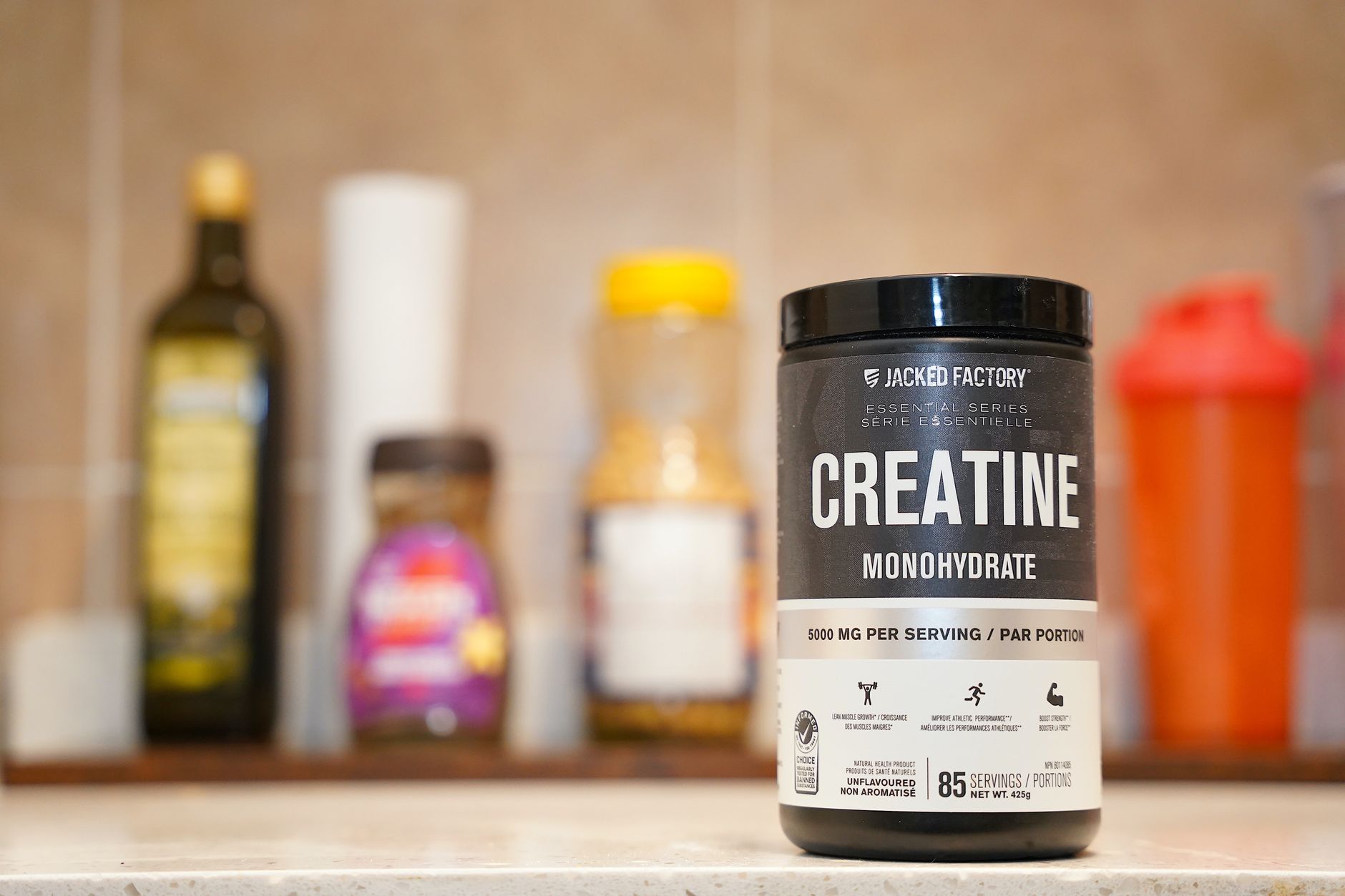
- Creatine monohydrate: 5g daily represents one of the most evidence-supported supplements, with consistent 10-15% improvements in power output across hundreds of peer-reviewed studies.
- L-theanine + caffeine: 100-200mg L-theanine combined with 100-200mg caffeine enhances focus without anxiety, supported by neuroimaging studies from 2024.
- Beetroot juice concentrate: 500mg nitrates pre-workout improves endothelial function and oxygen efficiency, particularly for cardiovascular training.
Nutrition Periodization Strategy
Iron Mike biohacking extends beyond supplements to strategic dietary manipulation aligned with training phases. The approach emphasizes:
Macronutrient Cycling
Rather than static macronutrient ratios, periodized nutrition adjusts protein, carbohydrate, and fat intake based on training demands. During high-volume training phases, carbohydrate intake increases to 6-8g per kilogram of body weight. During hypertrophy phases, protein targets 1.8-2.2g per kilogram. A 2025 review in Sports Medicine found this approach produces superior body composition outcomes compared to static nutrition plans.
Nutrient Timing Optimization
Strategic timing of nutrient consumption amplifies training adaptations. Post-workout windows receive particular emphasis: consuming 20-30g protein with 1-1.2g carbohydrate per kilogram body weight within 30-60 minutes post-training optimizes muscle protein synthesis rates by approximately 20-30% compared to delayed consumption.
Recovery and Sleep Optimization
Iron Mike protocols recognize that training stimulus creates adaptation opportunity, while recovery implements actual improvements. Key interventions include:
- Sleep architecture support: Magnesium, glycine (3-5g), and L-theanine combine to enhance sleep quality metrics measurable via wearable sleep trackers.
- Anti-inflammatory strategies: Curcumin (500-1000mg), ginger extract, and tart cherry concentrate reduce exercise-induced inflammation markers.
- Parasympathetic activation: Breathing protocols (box breathing, 4-7-8 technique) and cold exposure (60-90 second cold showers post-training) optimize autonomic recovery balance.
Monitoring and Adaptation Framework
A critical component distinguishing Iron Mike biohacking from generic supplementation involves rigorous self-monitoring. As of 2026, technology enables accessible tracking of multiple biomarkers:
- Heart rate variability (HRV) as autonomic recovery indicator
- Grip strength and vertical jump as power output proxies
- Sleep duration and architecture via wearable devices
- Cognitive performance through reaction time testing
- Body composition via DEXA scanning or bioimpedance analysis
- Blood work annually measuring testosterone, cortisol, inflammatory markers, and lipid panels
Effective biohacking requires establishing individual baseline metrics, implementing interventions systematically, and measuring outcomes objectively. A 4-6 week intervention period allows sufficient time to detect meaningful physiological adaptations before adjustment.
Safety Considerations and Contraindications
While the supplements discussed above carry favorable safety profiles, important considerations merit attention:
Individual Variability
Genetic variations affect supplement responsiveness. Poor responders to creatine supplementation exist, and caffeine sensitivity varies substantially. Start with lower doses and escalate gradually while monitoring individual response patterns.
Drug-Supplement Interactions
High-dose magnesium may interact with certain medications. Caffeine interacts with numerous pharmaceuticals. Individuals taking prescription medications must consult healthcare providers before implementing comprehensive supplementation protocols.
Quality and Contamination
Not all supplements contain advertised ingredient quantities. Third-party testing through NSF Certified for Sport or Informed Choice programs ensures product integrity, particularly important given sports testing implications.
Overtraining and Supplement Compensation
Supplements cannot compensate for insufficient recovery or excessive training volume. Iron Mike biohacking succeeds when combined with appropriate training periodization and adequate sleep—typically 7-9 hours nightly.
Practical Implementation Framework for 2026
Month 1: Foundation Building
Establish baseline metrics, implement foundational micronutrient support, and establish sleep/recovery protocols without performance-specific compounds.
Months 2-3: Performance Enhancement
Add performance-specific supplements (creatine, beta-alanine) while implementing macronutrient periodization aligned with training phases.
Months 4-6: Optimization and Adjustment
Monitor objective metrics, adjust interventions based on individual response patterns, and repeat comprehensive blood work to assess systemic impacts.
Conclusion
Iron Mike biohacking represents a sophisticated approach to human performance optimization combining evidence-based supplementation, strategic nutrition, recovery optimization, and systematic monitoring. Success requires moving beyond supplement consumption toward integrated protocol implementation with objective measurement of outcomes. In 2026, technological accessibility makes this systematic approach feasible for motivated individuals committed to self-optimization.
The most important principle: consistency in fundamentals (sleep, training, basic nutrition) exceeds sophistication in supplementation. Begin with established baselines, implement changes systematically, measure objectively, and adapt based on individual response data.