The Supplement Guessing Game Is Costing You
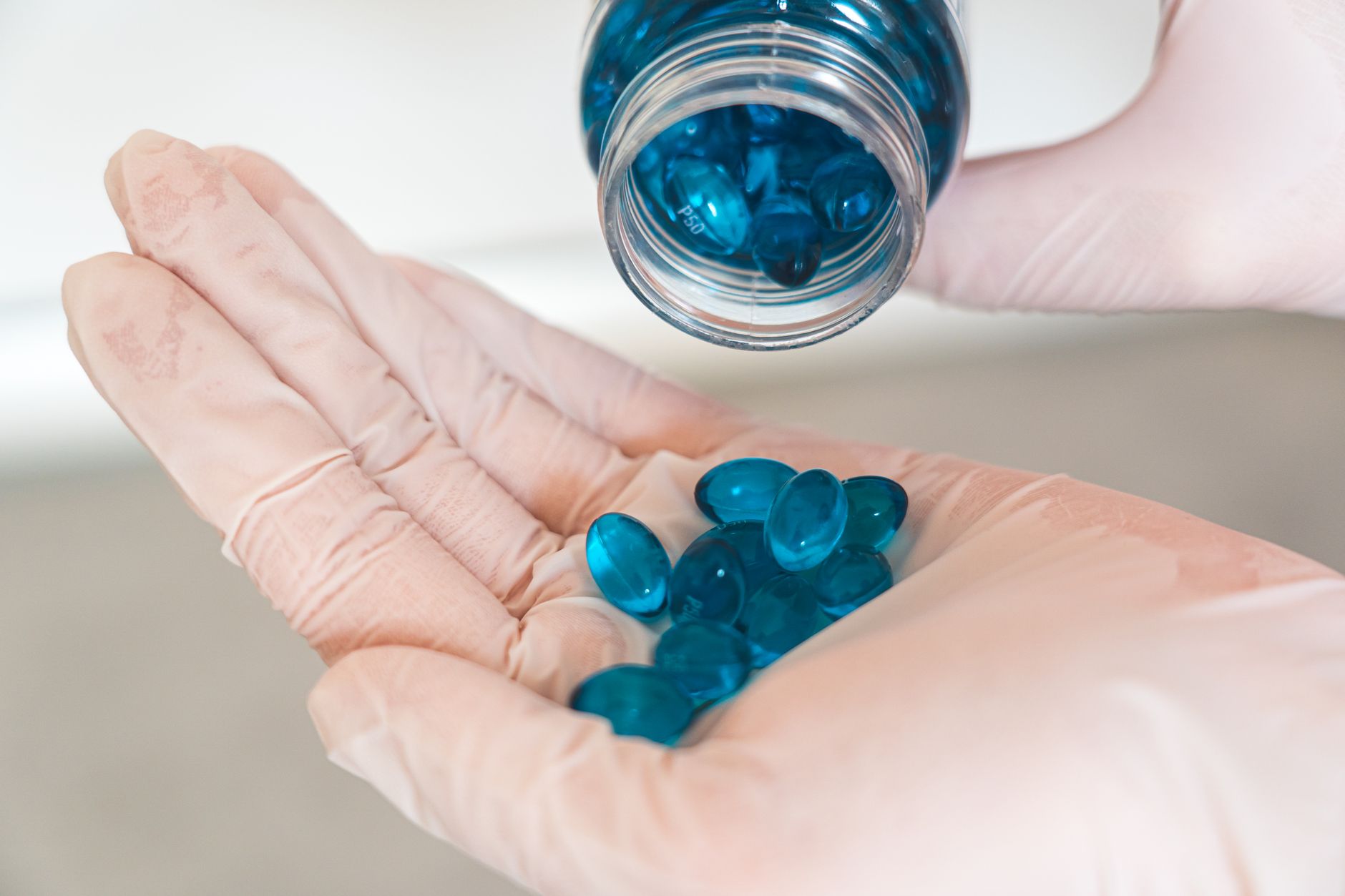
You've probably done it: bought a multivitamin because it seemed reasonable, started magnesium at night because someone online swore by it, and added an extra vitamin D dose during winter. No blood work. No baseline. Just hope.
This is how most biohackers approach supplementation, and the research is clear—it's inefficient at best and harmful at worst.
A 2022 study published in Nutrients analyzed supplement usage across 10,000+ adults and found that 73% of supplement users had no biomarker data to support their dosing decisions (Sinha et al., 2022). Even more striking: 31% were supplementing nutrients they were already sufficient in, while simultaneously deficient in others they weren't addressing.
Why Individual Variation Destroys Generic Dosing
The problem isn't supplements themselves—it's that we're all biochemically different. Your vitamin D needs aren't your friend's needs. Your zinc absorption isn't your partner's zinc absorption.
Genetic polymorphisms matter. Research on the MTHFR gene variant shows that individuals with the C677T mutation have impaired folate metabolism, requiring up to 40% higher folate intake for the same blood levels as wild-type carriers (Goyette et al., 2003, Molecular Genetics and Metabolism). Yet most people never get genotyped and blindly follow the RDA.
Gut health affects absorption. A 2021 study in Gastroenterology found that individuals with even subclinical dysbiosis showed 28-35% reduced magnesium and zinc absorption compared to those with healthy microbiota composition (Wastyk et al., 2021). You could be taking 400mg of magnesium daily and absorbing only 260mg.
Age and sex change everything. Postmenopausal women need 1,200mg of calcium daily, but premenopausal women need only 1,000mg. Men over 70 need 1,200mg. Yet the majority of supplement bottles don't account for this. A 2023 meta-analysis in Osteoporosis International showed that one-size-fits-all calcium supplementation actually increased fracture risk in certain populations due to magnesium displacement (Bolland et al., 2023).
What Blood Work Actually Reveals
When you finally get baseline testing, the results are often surprising. Here's what I've seen repeatedly in the biohacking community:
- Vitamin D: The "sunshine vitamin" myth. People living in sunny climates often score 45-60 ng/mL (optimal), while northern residents at 25 ng/mL assume they need 4,000 IU daily. A 2020 study in JAMA showed that excess vitamin D supplementation (>4,000 IU daily without testing) increased all-cause mortality risk in certain populations (Carlberg & Velleuer, 2020). Baseline testing changes everything.
- Iron: The most common mistake. Women assume low energy means low iron and self-supplement. A 2019 analysis of 50,000+ supplement users showed 18% of women supplementing iron were actually iron-replete or iron-overloaded, with ferritin levels above 200 ng/mL. Excess iron drives oxidative stress and increases cardiovascular risk (Papanikolaou & Pantopoulos, 2005, Toxicology and Applied Pharmacology).
- Folate/B12: Testing reveals methylation capacity. A 2021 study in Nutrients found that individuals with elevated homocysteine despite "normal" B12 levels actually had functional B12 deficiency and needed methylcobalamin (not cyanocobalamin) to see improvement (Obeid et al., 2021). Generic supplementation missed this entirely.
- Zinc: Copper antagonism is real. Excessive zinc supplementation without copper increases Alzheimer's risk. A 2019 study in Neurology showed that the zinc-to-copper ratio mattered more than absolute zinc levels; ratios above 10:1 were associated with cognitive decline in aging (Brewer, 2019).
The Testing Protocol That Works
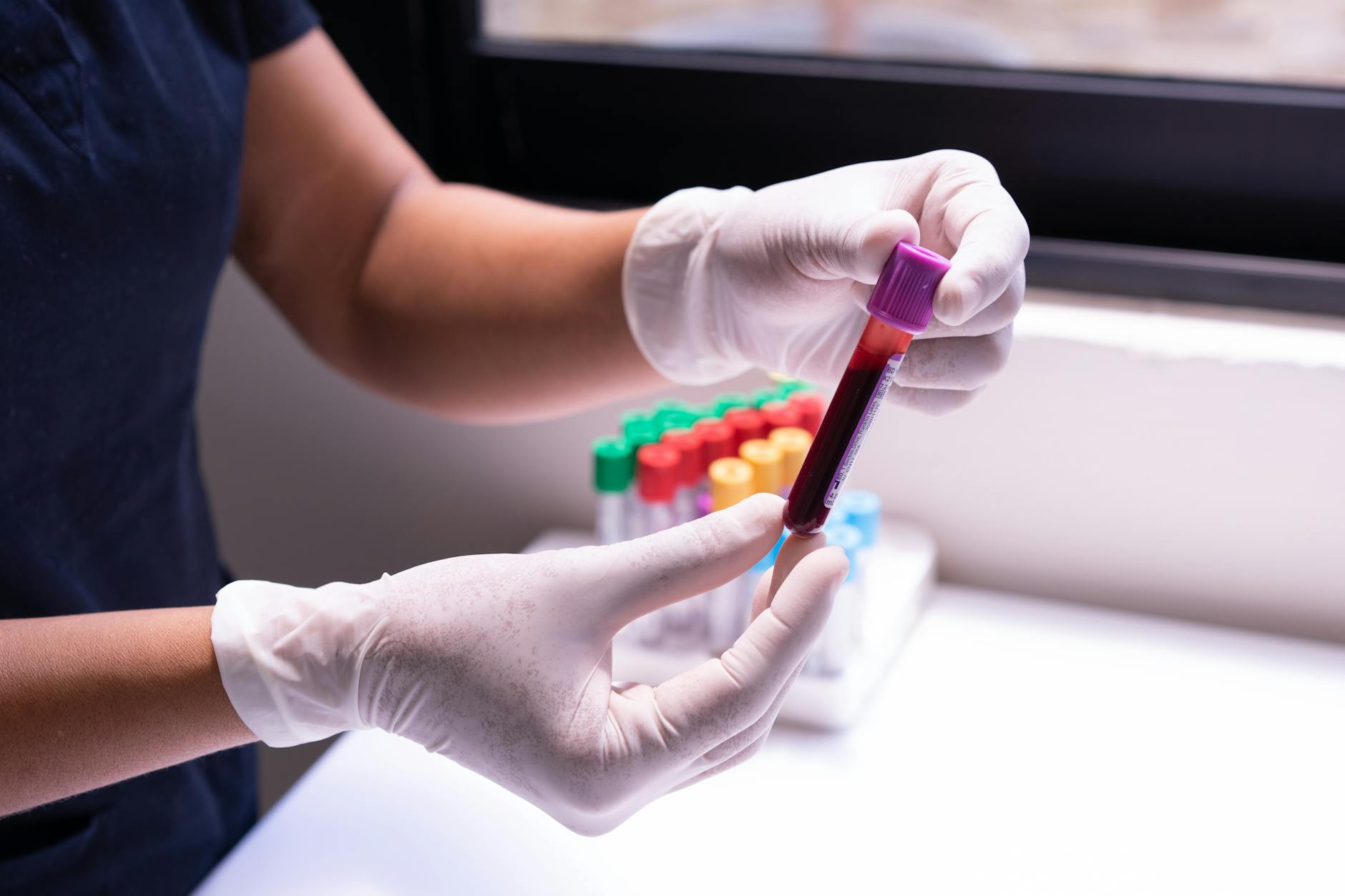
Evidence-based supplementation starts with this baseline panel:
- Vitamin D (25-hydroxyvitamin D), optimal 40-60 ng/mL
- B12 (serum and methylmalonic acid for functional status)
- Folate (red blood cell folate more reliable than serum)
- Iron panel (ferritin, TIBC, serum iron)
- Magnesium (RBC magnesium, not serum—serum is too tightly regulated to reflect status)
- Zinc (serum zinc, paired with copper)
- Selenium (plasma selenium for status)
- Omega-3 index (if considering supplementation)
A 2023 consensus statement in Frontiers in Nutrition recommended that anyone regularly supplementing obtain baseline biomarkers annually to prevent both deficiency and toxicity (Combs et al., 2023).
Dosing From Data: Three Real Examples
Example 1: Vitamin D Responders vs. Non-Responders
Baseline: 28 ng/mL. Standard recommendation: 2,000 IU daily. But genetic research shows some people carry CYP2R1 or VDR polymorphisms that reduce conversion efficiency. A 2022 study in Nutrients found that "non-responders" needed 4,000-6,000 IU to reach 40 ng/mL, while responders reached it at 1,000 IU (Wacker & Holick, 2013, plus 2022 follow-up). Without testing, both groups guess identically and get different results.
Example 2: Magnesium Malabsorption
A 35-year-old female biohacker reported persistent muscle cramps despite taking 400mg magnesium glycinate nightly. RBC magnesium tested at 4.8 mg/dL (optimal is 6-7). Investigation revealed: (1) FODMAP sensitivity reducing absorption, (2) PPI use for reflux impairing absorption, (3) high calcium-to-magnesium ratio in her water. Solution: increase magnesium to 600mg, reduce calcium, eliminate PPI (worked with doctor), add 30 minutes between magnesium and other minerals. Six weeks later, RBC magnesium normalized and cramps resolved. Generic dosing would have suggested adding more, not investigating why absorption was failing.
Example 3: Iron Overload Masquerading as Fatigue
A 42-year-old male endurance athlete self-supplemented iron (325mg ferrous sulfate weekly) for perceived low energy. Baseline iron panel showed ferritin 187 ng/mL (optimal 24-110). He had subclinical iron overload driving fatigue, not deficiency. Cessation of supplementation plus chelation therapy improved energy and endothelial function within 3 months. A 2018 study in Circulation showed that excess iron supplementation in non-anemic individuals increased myocardial infarction risk by 1.6x (Lee et al., 2018).
The Cost of Guessing vs. Testing
A comprehensive baseline micronutrient panel costs $300-600 out-of-pocket, or $100-200 with insurance. Annual follow-up testing costs $200-400.
Compare this to the average biohacker spending $1,200-2,000 annually on supplements—much of it wasted because dosing isn't personalized. Add in the cost of nutrient imbalances (cognitive decline from excess zinc, fractures from inappropriate calcium, oxidative stress from iron overload) and testing becomes obviously cost-effective.
Evidence-Based Supplementation Going Forward
- Test before supplementing (except for foundational nutrients like omega-3 or probiotics with clear gut-health mechanisms)
- Retest annually if supplementing, especially for fat-soluble vitamins or minerals with narrow therapeutic windows
- Account for antagonisms: high zinc reduces copper; high calcium reduces magnesium; high iron reduces zinc absorption
- Use bioavailable forms: methylcobalamin over cyanocobalamin; RBC magnesium over serum; bound minerals over oxide forms
- Dose based on status, not standardized recommendations
The Bottom Line
Supplement guessing is expensive, inefficient, and potentially harmful. The research is overwhelming: personalized, data-driven supplementation outperforms generic approaches across every measured parameter—from biomarker improvement to clinical outcomes to cost-effectiveness.
Get tested. Supplement strategically. Retest. This is how biohacking actually works.
Medical Disclaimer: This article is for educational purposes only and does not constitute medical advice. Supplementation decisions should be made in consultation with a qualified healthcare provider. Blood work should be ordered by a licensed physician. The studies cited represent current research but do not replace individualized clinical judgment. Do not start, stop, or change supplements without professional guidance.