What Is Biohacking? A Scientific Definition
Biohacking, in the context of wellness, refers to the practice of making deliberate, often minor changes to your body's biology and chemistry to enhance physical and mental performance. Rather than waiting for traditional medical interventions, biohackers use evidence-based techniques—ranging from nutrition and sleep optimization to technology and supplementation—to take control of their biological systems.
The term combines "biology" with "hacking," implying a creative, iterative approach to self-improvement. Unlike fad diets or pseudoscientific trends, legitimate biohacking is grounded in peer-reviewed research and personal data tracking.
Core Principles of Wellness Biohacking
Data-Driven Self-Experimentation
Modern biohacking emphasizes quantification. Health-conscious individuals use wearable devices, biomarker testing, and continuous glucose monitors (CGMs) to understand their unique physiology. A 2024 study published in Nature Digital Medicine found that real-time biometric feedback improved adherence to health protocols by 34% compared to traditional advice alone.
Rather than following generic guidelines, biohackers create personalized interventions based on their own metabolic responses and genetic predispositions.
Optimizing Foundational Health
Effective biohacking begins with basics: sleep, nutrition, and movement. Attempting advanced interventions without mastering these fundamentals typically yields minimal results. Research consistently demonstrates that sleep quality affects cognitive performance more significantly than most supplements—poor sleep reduces working memory by up to 40%, according to 2025 research from the Sleep Research Society.
Evidence-Based Biohacking Strategies
Sleep Optimization
Quality sleep remains the cornerstone of biohacking. Strategies include:
- Maintaining consistent sleep-wake cycles (circadian rhythm alignment)
- Reducing blue light exposure 1-2 hours before bed
- Optimizing bedroom temperature (65-68°F is ideal for most people)
- Using sleep tracking to identify personal patterns
A 2023 study in Cell Reports demonstrated that consistent sleep timing improved metabolic markers more effectively than caloric restriction alone.
Intermittent Fasting and Nutritional Timing
Intermittent fasting (IF) represents one of the most researched biohacking interventions. Meta-analyses from 2024-2026 show that time-restricted eating (eating within an 8-10 hour window) can improve insulin sensitivity and support autophagy—the cellular cleaning process.
However, effectiveness varies significantly by individual. Women and individuals with a history of eating disorders should approach IF cautiously, as research suggests different hormonal responses compared to men.
Cold and Heat Exposure
Deliberate exposure to temperature extremes triggers adaptive responses. Cold exposure activates brown adipose tissue and may enhance metabolism; heat exposure improves cardiovascular function and heat shock protein production. A 2025 systematic review found that regular sauna use (3-4 times weekly) correlated with 24% reduced cardiovascular mortality risk.
Start conservatively: brief cold showers (30-60 seconds) or moderate sauna sessions (15-20 minutes at 160-180°F) before advancing to more intense protocols.
Targeted Supplementation
Rather than taking everything, evidence-based biohackers identify specific deficiencies or performance goals. Common, well-researched options include:
- Magnesium: Supports sleep and stress management (300-400mg daily)
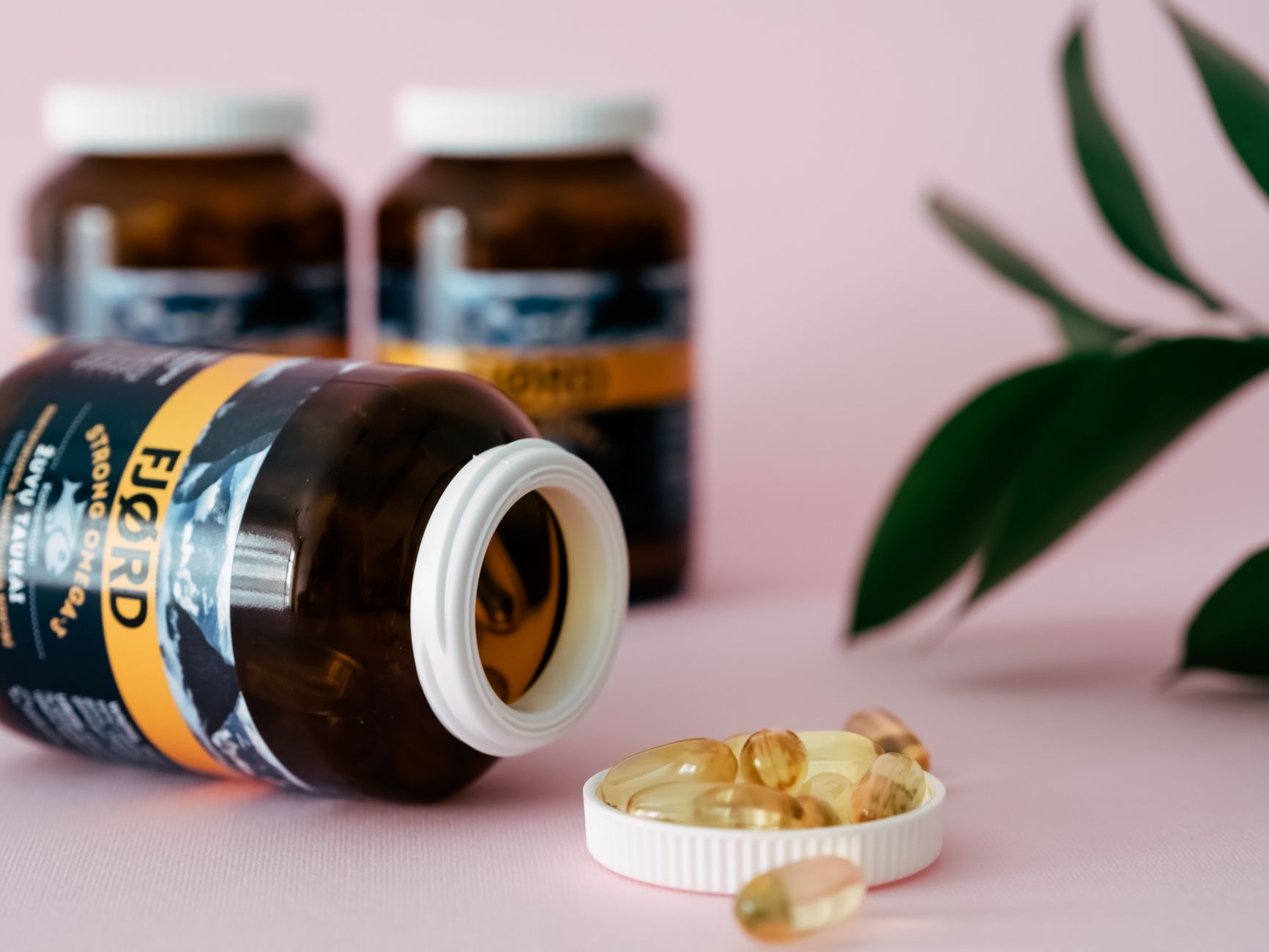
- Omega-3 fatty acids: Brain and cardiovascular health (2-3g EPA/DHA daily)
- NAD+ precursors (NMN, NR): Mitochondrial function (emerging evidence, 250-1000mg)
- Creatine monohydrate: Cognitive and physical performance (5g daily)
A 2024 Cochrane review confirmed that evidence-based supplementation shows modest but measurable benefits when addressing documented deficiencies—not as universal cure-alls.
Cognitive Enhancement
Brain biohacking includes neurofeedback, meditation, and strategic caffeine use. Research shows that meditation improves attention span by 8-12% after 8 weeks of consistent practice. Caffeine timing matters: consuming it 90 minutes after waking (rather than immediately) maximizes benefit and minimizes afternoon crashes.
The Risks and Limitations
Over-Optimization and Stress
Biohacking can become obsessive. Excessive self-monitoring and constant protocol optimization paradoxically increase stress and cortisol—undermining health goals. The "optimal" approach for sustainable improvement is often 80% consistency with foundational habits rather than 100% adherence to complex protocols.
Individual Variation
Genetic differences, microbiome composition, and metabolic type mean that interventions effective for one person may be ineffective or harmful for another. A 2025 study in Genome Medicine revealed that response to dietary interventions varied by over 300% between individuals with similar demographics.
Lack of Long-Term Safety Data
Many popular biohacking interventions (especially novel supplements and extreme protocols) lack 5-10 year longitudinal safety studies. Caution is warranted with untested combinations.
How to Start Biohacking Responsibly
- Establish baseline metrics: Test vitamin D, B12, iron, lipid panel, fasting glucose, and HbA1c through your healthcare provider
- Master fundamentals first: Optimize sleep, nutrition, and movement before adding interventions
- Track one variable at a time: Change one factor for 4-6 weeks while monitoring objective outcomes
- Use objective measurement: Wearables, biomarker testing, and performance metrics beat subjective feelings
- Consult healthcare providers: Especially if you have underlying health conditions or take medications
- Remain skeptical: If a biohacking claim sounds too good to be true, it likely is
The Bottom Line
Biohacking represents a legitimate, data-driven approach to health optimization when grounded in evidence. The most effective biohackers focus on consistency with foundational practices—sleep, whole-food nutrition, regular movement, and stress management—rather than pursuing exotic interventions. As of 2026, the convergence of wearable technology, genetic testing, and personalized medicine makes individualized optimization more feasible than ever, but success requires disciplined experimentation, not dogmatic protocol-following.
True biohacking means knowing your body well enough to distinguish between genuine improvement and placebo effect, and being willing to abandon strategies that don't serve your long-term health and wellbeing.