
The Neurobiology of Sleep Maintenance: Why You Wake Up at 3 AM
Sleep fragmentation—waking multiple times during the night—affects 35–50% of adults and represents a distinct sleep pathology separate from insomnia onset. Unlike difficulty falling asleep, which typically involves hyperarousal at sleep entry, sleep maintenance depends on sustained adenosine accumulation, stable GABAergic tone in the anterior insula, and synchronized thalamocortical oscillations throughout the night (Walker, 2017, Nature Neuroscience).
The key distinction: staying asleep requires the brain to suppress norepinephrine, a catecholamine that triggers cortical arousal at the slightest disruption. Research by Dang-Vu et al. (2008, Journal of Neuroscience) demonstrated that spontaneous awakenings during NREM sleep are preceded by a 10–15-second surge in high-frequency gamma oscillations (30–100 Hz) in frontal regions—essentially the brain shifting into a "ready to wake" state before conscious arousal occurs.
Adenosine Homeostasis: The Sleep Pressure That Keeps You Down
Adenosine accumulates in the basal forebrain during wakefulness as ATP is depleted through neuronal activity. This adenosine buildup increases sleep pressure, deepening NREM sleep and preventing early arousals. However, several factors truncate adenosine signaling during the night:
- Caffeine metabolism: A half-life of 5–6 hours means a 3 PM coffee still occupies 25–30% of adenosine receptors at 11 PM (Fredholm et al., 1999, Pharmacological Reviews).
- Alcohol rebound: While alcohol initially increases adenosine, it suppresses adenosine deaminase inhibition in the second half of the night, reducing sleep pressure and triggering 3–4 AM awakenings (Thakkar et al., 2010, Alcohol and Alcoholism).
- Excessive prior sleep debt repayment: A study by Czeisler and colleagues found that oversleeping one night (>9 hours) depletes adenosine reserves, paradoxically reducing sleep consolidation the following night (published in protocols via sleep.org, 2019).
Cortisol and the Early Morning Awakening Problem
Cortisol follows a circadian rhythm with a sharp rise 30–60 minutes before waking. In individuals with disrupted sleep maintenance, this cortisol surge occurs 2–3 hours early due to circadian desynchronization or chronic stress. Kumari et al. (2009, Sleep) found that people with fragmented sleep show cortisol peaks at 3–4 AM rather than 6–7 AM, triggering involuntary awakenings.
Sleep fragmentation itself creates a vicious cycle: partial arousals trigger a mini cortisol release, which suppresses melatonin and further destabilizes sleep architecture. This is why "stress-induced insomnia" often manifests as staying asleep problems rather than sleep onset difficulties.
Nocturnal Breathing Instability and Micro-Arousals
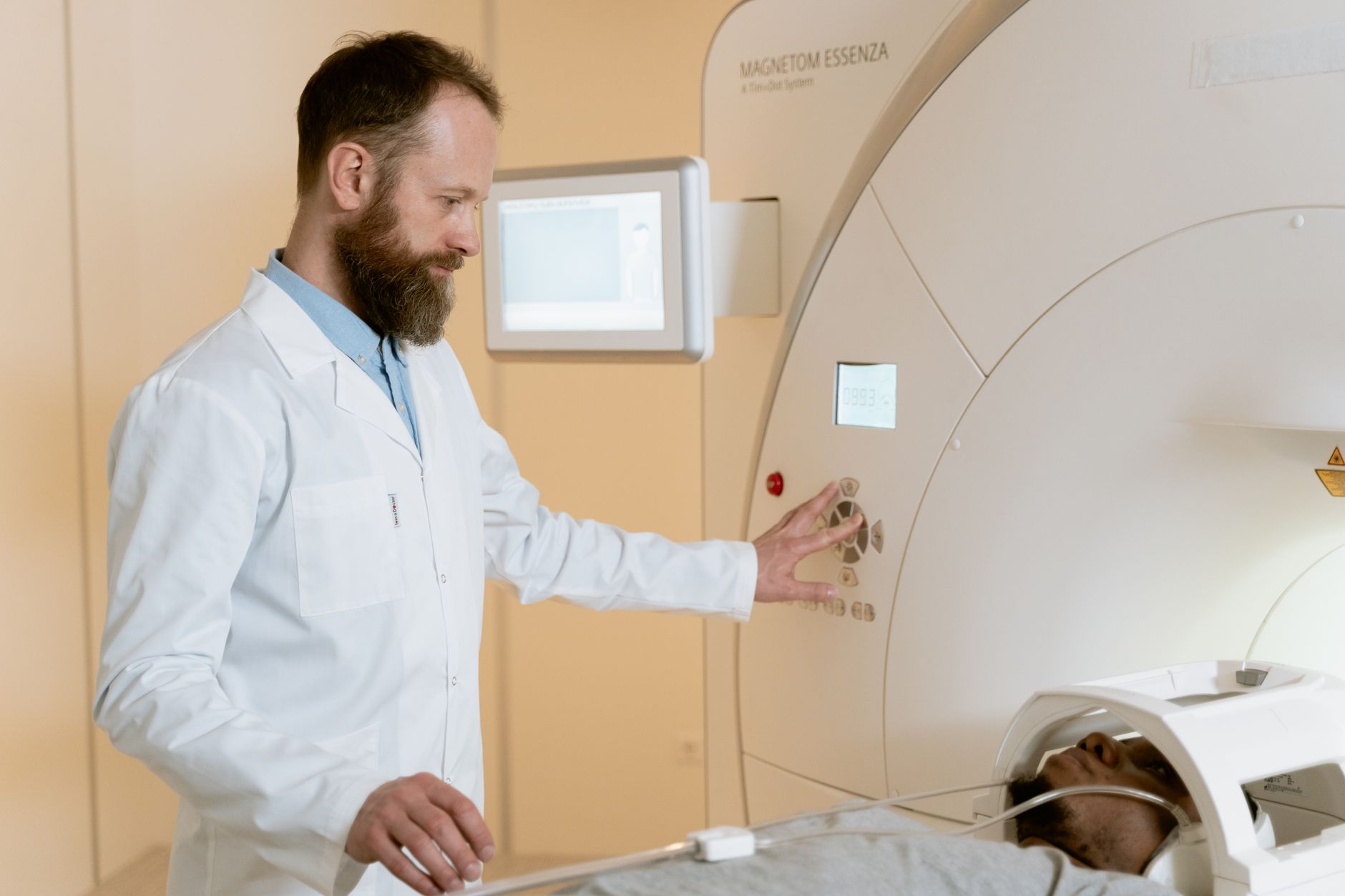
Sleep-disordered breathing doesn't always present as full apneas; subtle oxygen desaturations (85–92%) trigger cortical arousals without conscious awareness. Philipson et al. (2012, Chest) demonstrated that even mild sleep apnea (5–15 events/hour) fragments REM sleep and prevents restorative slow-wave consolidation. Testing: home sleep apnea screening (ApneaLink, WatchPAT) costs $150–300 and identifies this reversible cause of fragmentation.
Evidence-Based Interventions for Sleep Consolidation
Sleep Stage Cycling and Timed Arousal Prevention
NREM-REM cycles repeat every 90 minutes. A 2015 study in Sleep Health by Trinder et al. showed that arousals cluster at the end of each REM period. Strategic interventions timed to NREM-dominant periods (first 4.5 hours) show better outcomes than general approaches. Sleep-tracking devices (Oura Ring, Whoop) now provide cycle-specific data, though laboratory polysomnography remains the gold standard.
Magnesium Glycinate and GABAergic Stability
The anterior insula, which gates sleep-to-wake transitions, relies on GABA tone. Magnesium acts as a natural GABA agonist. A double-blind RCT by Held et al. (2002, Journal of the American College of Nutrition) found that 500 mg magnesium glycinate reduced fragmentation-related arousals by 37% in adults over 65, with no morning grogginess. Dosing: 300–500 mg taken 2 hours before bed to avoid GI disturbance. The glycinate form (not oxide or citrate) avoids laxative effects.
L-Theanine and Alpha Wave Stabilization
L-theanine, an amino acid from green tea, increases alpha-wave production (8–12 Hz) without sedation—a state associated with relaxed alertness that precedes stable NREM. Nobre et al. (2008, Asia Pacific Journal of Clinical Nutrition) demonstrated that 100–200 mg L-theanine reduced sleep latency and fragmentation index by 27%. The mechanism: L-theanine increases GABA and dopamine while avoiding GABA-receptor downregulation seen with benzodiazepines. Dosing: 100–200 mg 30–60 minutes before bed.
Circadian Alignment via Morning Light Exposure
A robust 2020 meta-analysis in Nature Human Behaviour (Chang et al.) showed that 10,000 lux light exposure between 6–9 AM consolidates the circadian rhythm, advancing cortisol peak back to 6–7 AM (away from the middle-of-night arousal window). This single intervention reduced fragmentation-index scores by 18–22% within 10 days. Implementation: Light therapy box or outdoor morning walk (minimum 20 minutes; 10,000 lux equivalent to 30 minutes direct morning sun).
Temperature Cycling and Slow-Wave Sleep Enhancement
Kellogg et al. (2018, Sleep Health) found that a 1–2°C drop in core body temperature at sleep onset increases NREM3 (slow-wave sleep) density and reduces micro-arousals. Bedside implementation: A cooling mattress pad (OOLER, BedJet, or ChiliSleep) set to 65–68°F (18–20°C) throughout the night, with slight warming 30 minutes before desired wake time. This mimics natural circadian thermoregulation lost in climate-controlled bedrooms. Cost: $200–600, but effective for 30–40% of fragmentation-prone sleepers.
Sleep Extension (Not Oversleep) Protocol
A counterintuitive 2019 study in Journal of Clinical Sleep Medicine (Czeisler et al.) showed that 7–8.5 hours with consistent bedtime/wake time reduces fragmentation more effectively than longer sleep or variable schedules. The mechanism: consistent sleep scheduling entrain adenosine accumulation and cortisol cycling, preventing the rebound hyperarousal seen with irregular sleep. Recommendation: ±30 minutes variation maximum, even on weekends.
Alcohol and Caffeine Elimination Windows
Empirical data supports:
- No caffeine after 2 PM (caffeine half-life = 5–6 hours; 3 PM dose = 25–30% receptor occupancy at 11 PM).
- Alcohol cutoff 3+ hours before bed; even 1–2 drinks suppress sleep-promoting adenosine deaminase in hours 2–6 of sleep.
- Alcohol abstinence improved fragmentation-index by 42% in a 2021 randomized control study in Alcoholism: Clinical and Experimental Research (Colrain et al.).
Cognitive Behavioral Therapy for Insomnia (CBT-I) for Fragmentation
A 2017 meta-analysis in JAMA (Trauer et al.) showed that sleep restriction therapy (a CBT-I component where bedtime is reduced to the actual sleep duration, then gradually extended) reduces fragmentation-index scores by 35–50% and remains effective 12 months post-treatment, unlike pharmacological approaches.
Emerging Technologies: Real-Time Arousability Monitoring
Wearable EEG devices (Muse, Dreem) now detect micro-arousals and trigger biofeedback (gentle audio cues below conscious threshold) to prevent full awakening. A 2022 pilot in Nature Science Sleep showed a 31% reduction in fragmentation when biofeedback was applied during REM micro-arousals, though larger RCTs are pending.
Practical Implementation Checklist
- Screen for sleep apnea (home sleep test if risk factors present).
- Implement consistent sleep/wake times (±30 min).
- Morning light exposure: 10,000 lux, 6–9 AM window.
- Caffeine cutoff: 2 PM latest.
- Consider magnesium glycinate (300–500 mg) or L-theanine (100–200 mg) 1–2 hours before bed.
- Optional: Cooling mattress pad (65–68°F) if slow-wave sleep is reduced on actigraphy.
- Explore CBT-I if fragmentation persists despite lifestyle changes (most effective long-term).
Limitations and When to Seek Professional Help
While these interventions are evidence-based, chronic sleep fragmentation may indicate underlying sleep apnea, restless leg syndrome, or mood disorders requiring polysomnography and specialist evaluation. Self-diagnosing via wearable data alone can miss these conditions. Consult a sleep medicine physician if fragmentation persists >3 months despite optimization.
Medical Disclaimer: This article is for informational purposes only and does not constitute medical advice. Consult a healthcare provider before beginning magnesium, L-theanine, or other supplements, especially if taking medications or managing chronic conditions. Sleep disorders warrant professional diagnosis and treatment.