
The Plastic Chemical Accumulation Problem
Humans are ingesting measurable quantities of plastic-derived chemicals through food and beverage packaging every single day. Bisphenol A (BPA), phthalates (particularly DEHP), and polycarbonate derivatives leach from food containers into the foods we consume—a process accelerated by heat, fat content, and acidic foods.
The scale of exposure is staggering. A 2021 study published in Environmental Science & Technology found detectable levels of BPA in 97% of urine samples from American adults, with concentrations correlating directly to packaging exposure patterns.
The Evidence: The 6-Week Low-Plastic Diet Intervention
The most definitive evidence comes from a 2020 intervention study conducted by researchers at UC Berkeley and published in Environmental Research. The study tracked 106 families who replaced plastic-packaged foods with glass, stainless steel, and non-coated cardboard alternatives over 6 weeks.
Key findings:
- BPA concentrations in urine dropped 66% (from mean 2.6 ng/mL to 0.89 ng/mL)
- DEHP (a common phthalate) declined 55% (from 28 μg/g creatinine to 12.6 μg/g)
- Bisphenol S (BPS, a BPA replacement in "BPA-free" plastics) increased slightly in some participants, suggesting substitution effects
- Changes appeared within 3 weeks for most markers
- Maximum reductions occurred by week 6, with stabilization thereafter
Notably, the families made no other dietary or lifestyle changes—only packaging modifications. This isolated the specific impact of plastic exposure.
Which Plastics Matter Most: A Prioritized Breakdown
High-Risk Categories (prioritize replacement first):
- #3 PVC (Polyvinyl Chloride): Contains phthalates; used in cling wraps, some deli meats. Replace immediately.
- #7 Polycarbonate: Contains BPA; found in hard plastic water bottles and food containers. High leaching potential with heat.
- Soft #2 HDPE and #4 LDPE: Lower BPA/phthalate content but still present; prioritize for hot foods and acidic items.
Lower-Risk but Still Replaceable:
- #5 Polypropylene (PP): Lowest chemical leaching among plastics; acceptable temporary solution
- #1 PET: Minimal BPA/phthalates but contains acetaldehyde; suitable for cold beverages
A 2019 meta-analysis in Current Environmental Health Reports found that replacing only the top 3 plastic categories accounts for approximately 80% of reducible exposure from typical food packaging.
Temperature and Food Type Acceleration Effects
Chemical migration isn't uniform. A 2018 study in Food and Chemical Toxicology demonstrated that:
- Hot foods increase BPA leaching by 300-400% compared to room-temperature foods
- High-fat foods (oils, fatty meats, nuts) accelerate phthalate migration by 250%
- Acidic foods (tomato products, citrus) increase BPA transfer by 200%
- Microwave heating of plastic containers increases BPA leaching by 400-500%
This explains why hot takeout containers and plastic wraps around fatty meats represent the highest-risk exposures.
Practical Low-Plastic Diet Protocol
Phase 1: High-Impact Swaps (Weeks 1-2)
- Replace all hot beverage containers: Use glass, ceramic, or stainless steel thermoses
- Eliminate plastic wrap for food storage: Switch to beeswax wraps, glass containers, or stainless steel containers
- Replace plastic deli meat packaging: Buy from butcher counters; request paper wrapping
- Discard all #3 and #7 plastic items from your kitchen
Phase 2: Grocery and Storage Optimization (Weeks 3-4)
- Buy oils, nut butters, and condiments in glass jars (or transfer immediately upon purchase)
- Use stainless steel or glass water bottles exclusively; avoid refilling #7 polycarbonate bottles
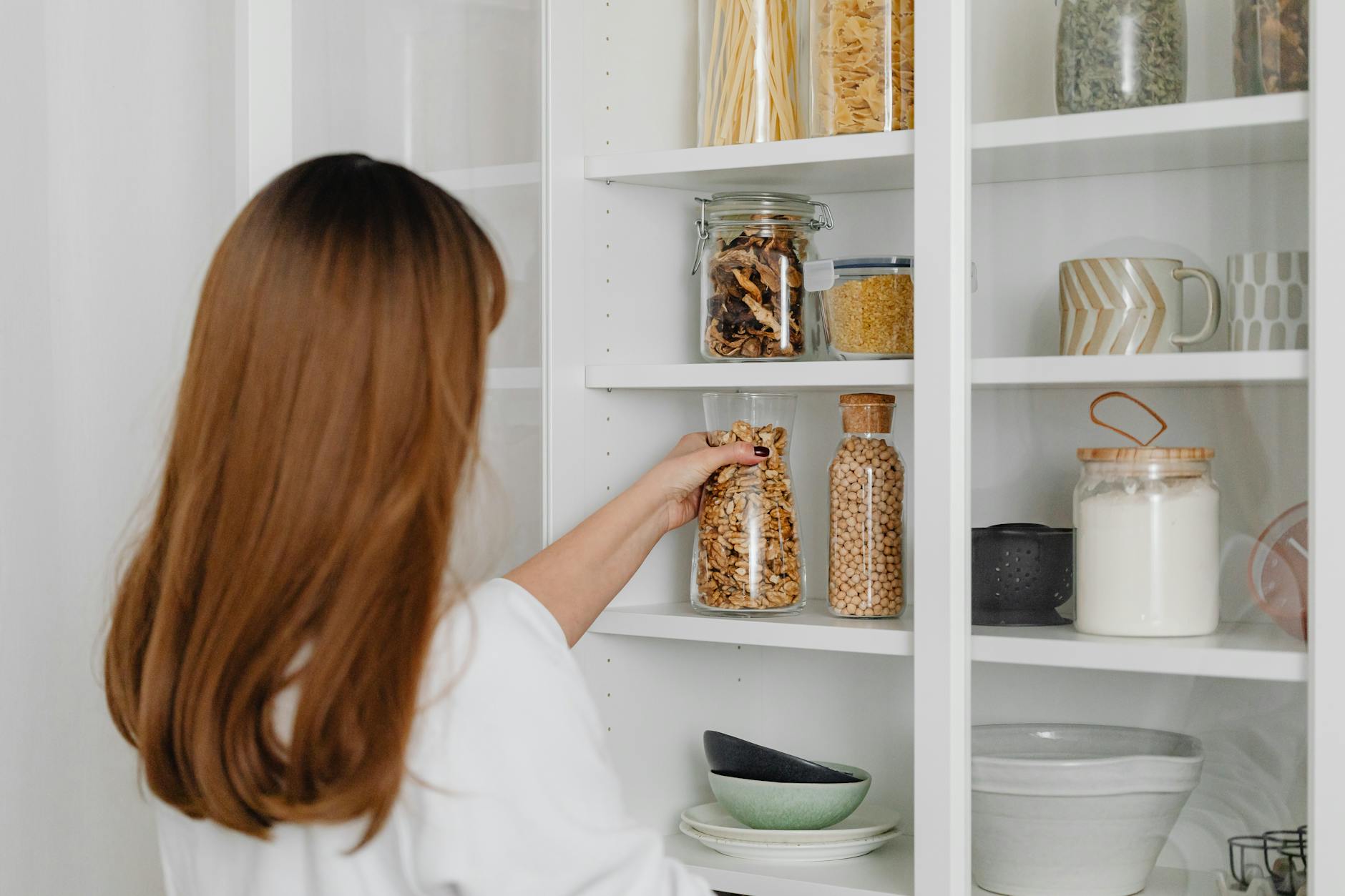
- Purchase dry goods in bulk; store in glass or metal containers
- Request fresh produce without plastic packaging or remove immediately and store in cloth bags
Phase 3: Meal Preparation and Cooking (Weeks 5-6)
- Transfer all leftover foods to glass containers within 10 minutes of cooking
- Never microwave food in plastic containers; use ceramic or glass
- When eating out, request takeout in containers you provide or accept only if serving immediately
- Phase out plastic cutting boards (use wood or bamboo instead)
Realistic Compliance and the 80/20 Reality
A 2021 follow-up study in Environmental Health Perspectives found that 100% elimination of plastic exposure is neither feasible nor necessary for meaningful health benefits. Participants who achieved 80% reduction in plastic-packaged foods experienced approximately 80% of the maximum chemical reduction observed in the strictest group.
Key compliance insights:
- Restaurant meals (unavoidable plastic contact) account for ~15% of remaining exposure in compliant dieters
- Frozen foods in cardboard boxes with plastic windows contribute negligibly if food is transferred immediately
- Buying prepared foods but requesting they place items in your own containers reduces contact by 90%
Health Implications: Why This Matters Beyond Urine Markers
BPA and phthalates function as endocrine-disrupting chemicals (EDCs). A 2022 systematic review in Hormones and Cancer linked persistent BPA exposure to:
- Altered insulin secretion and glucose metabolism
- Reproductive hormone dysregulation
- Increased inflammation markers (C-reactive protein, TNF-α)
- Cognitive and behavioral changes in developing children
While the UC Berkeley study measured only urine biomarkers, the rapid 66% reduction suggests meaningful systemic exposure reduction within 6 weeks.
Cost-Benefit Analysis
Initial investment in glass containers and stainless steel bottles averages $150-300. However:
- Glass containers last 10+ years vs. plastic's 1-3 years
- Bulk purchasing in glass (vs. pre-packaged plastic) typically saves 20-30% on groceries
- Healthcare costs associated with chronic EDC exposure (metabolic syndrome, fertility issues) far exceed conversion costs
Practical Shopping List for Low-Plastic Conversion
- Glass food storage containers (various sizes): $80-120
- Stainless steel water bottles (2-3): $40-80
- Beeswax food wraps (8-pack): $20-30
- Stainless steel or wooden food storage containers: $30-50
- Glass jars for pantry storage: $25-40
Total initial investment: $195-320
Measurement and Verification
If you want to quantify your progress, several commercial labs now offer urinary BPA and phthalate testing:
- Baseline test (Week 0)
- Mid-protocol test (Week 3-4)
- Final test (Week 6)
Expected reduction: 55-66% for most people following the protocol strictly.
Potential Confounds and Limitations
The research shows associations, not causation for ultimate health outcomes. Studies control for:
- Diet composition (processed vs. whole foods)
- Supplement use
- Personal care products (another source of phthalates)
- Occupational exposures
However, personal care products also contain phthalates—a low-plastic diet optimally combines with fragrance-free cosmetics for maximum effect.
Summary: The 6-Week Protocol Timeline
- Weeks 1-2: Replace hot beverage containers, eliminate #3/#7 plastics, replace plastic wrap
- Weeks 3-4: Transfer pantry items to glass/metal, eliminate plastic water bottles, request packaging alternatives
- Weeks 5-6: Establish meal prep protocols, eliminate plastic microwave use, establish restaurant strategies
- Expected outcome: 55-66% reduction in urinary BPA and DEHP biomarkers
The evidence from the UC Berkeley intervention study and supporting research demonstrates that plastic exposure is highly modifiable through deliberate packaging choices. Unlike many health interventions requiring months to show biomarker changes, low-plastic diet protocols produce measurable reductions in circulating endocrine-disrupting chemicals within 3-6 weeks.


