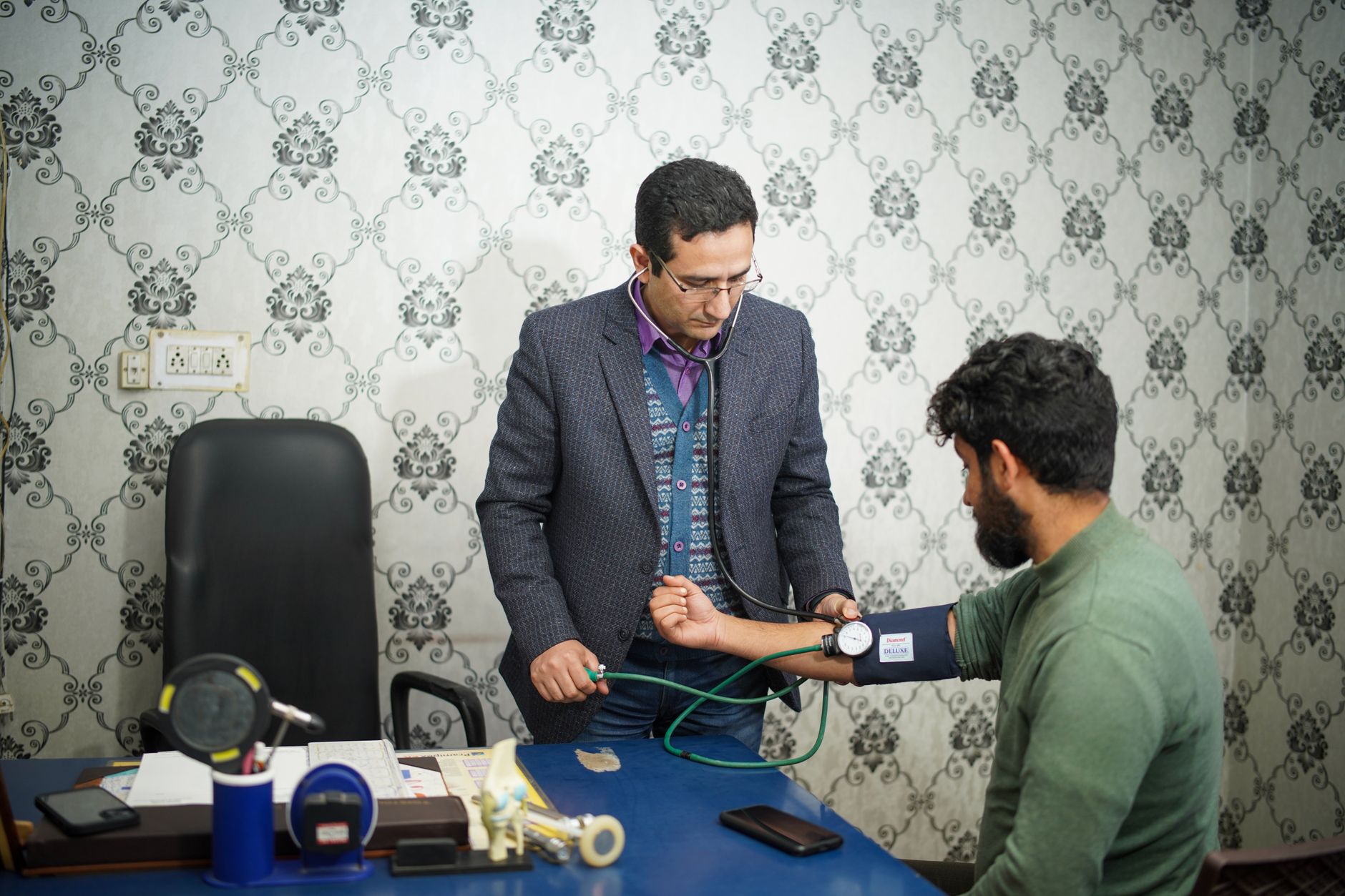
The Midyear Health Goal Reality: Where Most Resolutions Derail
January brought ambitious health targets. Six months later, research shows a stark truth: approximately 80% of New Year's resolutions fail by early July (Clear & Rogers, 2022, *Behavior Research and Therapy*). For those targeting nutrition and supplement-based goals—weight management, metabolic optimization, inflammatory reduction—the dropout rate accelerates without measurable feedback loops.
The problem isn't willpower. It's the absence of objective biomarker data that quantifies whether your supplement stack and dietary approach are actually working. Without this feedback, motivation evaporates.
Why Subjective Metrics Fail Halfway Through the Year
Most people rely on subjective assessments: "I feel better." "My energy improved." These perceptions fade as novelty wears off and cognitive adaptation occurs—a phenomenon called hedonic adaptation, documented in longitudinal studies by Lyubomirsky & Layous (2013, *Perspectives on Psychological Science*).
The fix: pivot to objective biomarkers that provide concrete evidence of progress independent of mood or perception.
Essential Midyear Biomarker Checkpoints
- Fasting glucose and HbA1c: Tracks metabolic health and insulin sensitivity. A 0.5% HbA1c reduction (manageable with targeted supplementation) signals meaningful carbohydrate metabolism improvement.
- hs-CRP (high-sensitivity C-reactive protein): Inflammatory marker. Studies show curcumin supplementation (400-500mg curcumin, 3x weekly) reduces hs-CRP by 15-25% in 8-12 weeks (Prasad et al., 2014, *Clinical Interventions in Aging*).
- Lipid panel (Total cholesterol, LDL, HDL, triglycerides): Foundational cardiovascular marker. Plant stanols and red yeast rice extract show consistent 10-15% LDL reduction in meta-analyses (Ooi et al., 2011, *American Journal of Clinical Nutrition*).
- Vitamin D (25-hydroxyvitamin D): Deficiency correlates with reduced motivation and mood disturbance. Optimal range: 40-60 ng/mL. Supplementation (2,000-4,000 IU daily) corrects deficiency within 8-10 weeks.
- Omega-3 index: Measures EPA/DHA tissue concentration. Target >8%. Fish oil supplementation (2-3g combined EPA/DHA daily) improves index from 5% to 8% in 12 weeks (Harris et al., 2009, *Current Atherosclerosis Reports*).
- Homocysteine: Elevated levels (>10 μmol/L) indicate B-vitamin insufficiency and cardiovascular risk. B6, B12, and folate supplementation (methylated forms preferred) reduce homocysteine by 20-30% in responders.
The Nutrition Foundation: Course-Correcting Your Dietary Approach
By midyear, dietary adherence typically loosens. Rather than impose stricter restriction, evidence-based biohackers reassess macronutrient ratios using biomarker feedback.
Protein Intake Optimization
If strength or body composition goals stalled, insufficient protein is a primary culprit. Helms et al. (2014, *International Society of Sports Nutrition*) demonstrated that 0.7-1.0g protein per pound of bodyweight supports lean mass retention during caloric deficit. However, many supplement protein intake inadequately mid-year due to convenience loss.
Course correction: Add targeted supplementation. Whey isolate (25-30g per serving) provides cost-effective protein density. For plant-based goals, pea protein isolate combined with rice protein achieves complete amino acid profiles comparable to whey (Joy et al., 2013, *Journal of the International Society of Sports Nutrition*).
Micronutrient Gaps From Dietary Drift
Midyear dietary lapses—increased processed foods, fewer whole plant foods—create micronutrient deficiencies that degrade energy, immunity, and motivation.
- Magnesium: 68% of Americans consume suboptimal amounts. Deficiency impairs sleep quality and recovery. Supplementing 300-400mg magnesium glycinate (chelated form) before bed improves sleep efficiency by 8-15% (Abbasi et al., 2012, *Journal of Research in Medical Sciences*).
- Zinc: Critical for immune function and protein synthesis. Plant-based dieters and those with stress-elevated cortisol lose zinc via urine. Supplementing 15-25mg elemental zinc daily (with copper 1-2mg for balance) restores immunity within 4-6 weeks.
- Iron status (ferritin, serum iron, TIBC): Women and plant-based eaters often underestimate depletion. Ferritin <30 ng/mL correlates with fatigue and reduced exercise tolerance. Iron supplementation (18-27mg elemental iron, consumed with vitamin C for absorption) requires biomarker verification to avoid oversupplementation.
Supplement Stack Reassessment Protocol
If your midyear biomarkers plateau or worsen despite supplement compliance, the issue often involves bioavailability or form selection—not efficacy of the compounds themselves.
Key Variables That Degrade Supplement Outcomes
- Form selection: Curcumin bioavailability increases 2000% when combined with piperine (black pepper extract) at 5-20mg per dose (Shoba et al., 1998, *Planta Medica*). Generic curcumin without piperine yields negligible plasma levels.
- Timing and food interactions: Fat-soluble vitamins (D, K, A, E) require dietary fat for absorption. Taken with a carb-only meal reduces bioavailability by 50-70%.
- Consistency vs. cycling: Adaptogens like ashwagandha show diminishing returns after 8-12 weeks of continuous use (Lopresti et al., 2019, *Journal of Evidence-Based Complementary & Alternative Medicine*). Implementing 4-week on/off cycles restores efficacy.
- Dose scaling with bodyweight: Many protocols use fixed doses irrespective of individual mass. A 130-lb person and 200-lb person absorb and utilize supplements differently. Scaling magnesium, vitamin D, and omega-3 doses to bodyweight (0.5-1.0mg vitamin D per pound bodyweight) improves outcomes.
Behavioral Science: Resetting Motivation at the Halfway Mark
Even with biomarker data, motivation decay remains real. Midyear reset protocols from behavioral science research improve adherence:
Implementation Intentions
Gollwitzer & Sheeran (2006, *Advances in Experimental Social Psychology*) showed that "if-then" planning increases habit completion by 91%. Example: "If I finish breakfast, then I take my supplement stack." This eliminates decision fatigue.
Progress Visualization
Monthly biomarker tracking provides concrete progress evidence. Plotting 6-month trends in hs-CRP, HbA1c, or lipid panels creates visual motivation that subjective feelings cannot match. Even 5-10% improvements toward goals sustain adherence through Q3 and Q4.
Social Accountability
Sharing specific biomarker targets (not just "get healthy") with accountability partners increases completion by 65% (Norcross & Vangarelli, 1989, *Journal of Clinical Psychology*).
Q3 Supplement Adjustments: Evidence-Based Pivots
If specific biomarkers underperformed in the first half, targeted adjustments maximize Q3 outcomes:
- For elevated hs-CRP: Add omega-3 (2-3g EPA/DHA daily) and curcumin with piperine (500mg curcumin + 10mg piperine, twice daily) for cumulative anti-inflammatory effect.
- For suboptimal lipid panel: Plant sterols (2g daily in divided doses) reduce LDL by 6-15% (Musa-Veloso et al., 2011, *Nutrition Reviews*). Combine with policosanol (10mg daily) for modest additional reduction.
- For persistent fatigue despite adequate sleep: Assess iron status first. If ferritin is low-normal (30-50 ng/mL), supplementation + vitamin C (500mg with iron dose) accelerates recovery. If iron is adequate, evaluate B12 status; plant-based dieters often require 1,000mcg weekly B12 supplementation or monthly injections.
- For cognitive or mood flatness: Vitamin D insufficiency often underlies midyear motivation loss. Supplementing to 50+ ng/mL takes 8-12 weeks; consider 5,000 IU daily with biomarker recheck at week 10.
Measuring True Compliance: Biomarker Evidence Over Assumption
Many biohackers assume compliance—they took their supplements consistently. Biomarker data reveals truth. If your curcumin supplementation hasn't moved hs-CRP in 8 weeks, either dose/form is insufficient, absorption is compromised, or underlying diet/stress negates benefits. Biomarker feedback forces honest assessment.
This is the midyear reset mechanism: use objective data to separate effort from results, then adjust protocol accordingly.
Action Plan: Midyear Health Assessment Checklist
- Week 1: Order comprehensive biomarker panel (fasting glucose, lipids, hs-CRP, vitamin D, omega-3 index, homocysteine, iron panel, B12). Compare to January baseline.
- Week 2: Analyze results against goals. Identify 2-3 underperforming markers.
- Week 3: Adjust supplement forms, doses, timing, and dietary macros based on data. Implement if-then planning for adherence.
- Week 4–12: Execute revised protocol with consistency. Recheck biomarkers at week 10-12 to confirm trajectory before Q4.
The biohackers who maintain momentum through year-end aren't necessarily more disciplined. They've simply replaced hope with data and adjusted course based on evidence. At midyear, this distinction becomes decisive.