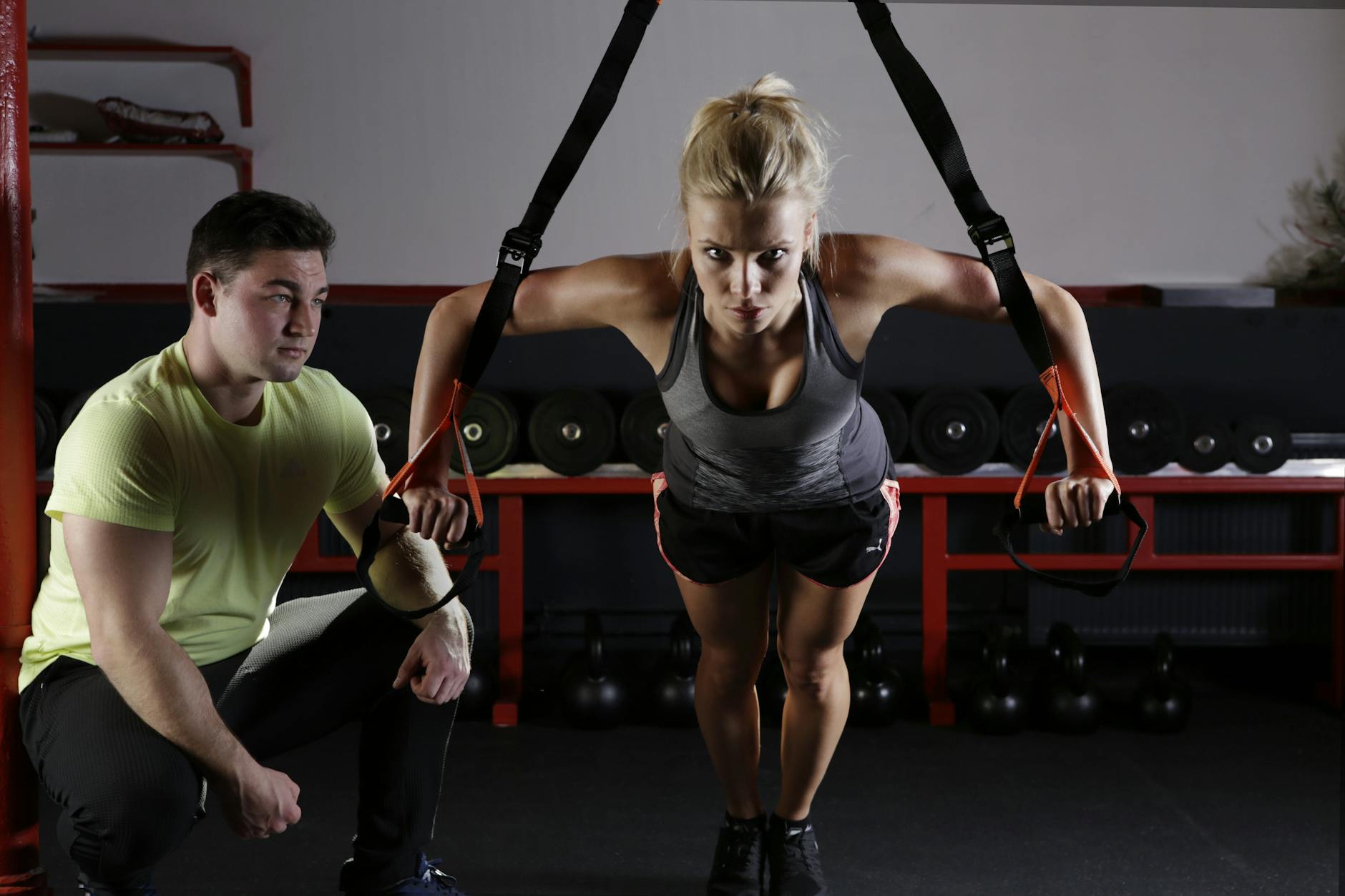

Understanding Female Biohacking: Beyond Generic Health Advice
Female biohacking represents a paradigm shift in how women approach personal optimization. Unlike traditional health recommendations that often default to male-centric research, biohacking femenino acknowledges the biological realities of the female body. As of 2026, growing evidence demonstrates that women require distinct protocols for hormonal management, athletic performance, and disease prevention.
The foundation of effective female biohacking rests on understanding your unique biology. Women experience cyclical hormonal variations throughout their menstrual cycle, creating distinct metabolic windows that can be leveraged for training, nutrition, and recovery optimization.
Menstrual Cycle Syncing: The Foundation of Female Biohacking
Understanding the Four Phases
Your menstrual cycle comprises four distinct phases, each with unique hormonal profiles and performance implications:
- Menstruation (Days 1-5): Low estrogen and progesterone; optimal for high-intensity training and strength work
- Follicular Phase (Days 6-14): Rising estrogen; enhanced aerobic capacity and motor coordination
- Ovulation (Days 15-17): Peak estrogen and luteinizing hormone; highest strength and power output
- Luteal Phase (Days 18-28): Rising progesterone; increased caloric needs and preference for strength training over endurance
Practical Cycle Syncing Application
Research published in 2025 in Sports Medicine Reviews confirms that cycle-synced training produces measurable performance improvements. During the follicular and ovulatory phases, prioritize high-intensity interval training (HIIT) and skill work. During the luteal phase, increase caloric intake by 100-200 additional calories daily and shift toward strength and resistance training. This 30-day rhythm optimization has demonstrated improvements in adherence and performance outcomes.
Hormonal Optimization Strategies
Sleep and Circadian Alignment
Sleep quality directly impacts hormonal balance. A 2024 study in the Journal of Women's Health demonstrated that women maintaining consistent sleep schedules (within 60 minutes variation) showed 34% improvement in hormonal stability markers. Key strategies include:
- Maintaining consistent bedtime and wake times, even on weekends
- Exposure to blue light in the morning (within 30 minutes of waking) to anchor circadian rhythms
- Dimming lights after sunset to support melatonin production
- Targeting 7-9 hours nightly, with luteal phase sleep extension by 30-60 minutes
Nutrient Timing and Hormonal Support
Female-specific nutritional biohacking requires attention to micronutrient needs that fluctuate throughout the cycle. Iron losses increase during menstruation; magnesium requirements peak during the luteal phase. A 2025 analysis found that women employing cycle-specific micronutrient supplementation protocols reported 42% fewer PMS symptoms compared to static supplementation approaches.
Prioritize:
- Iron-rich foods during menstruation (red meat, spinach, legumes)
- Magnesium supplementation (300-400mg) during luteal phase to support progesterone metabolism
- Adequate protein distribution (25-35g per meal) to stabilize blood glucose and support neurotransmitter synthesis
- Omega-3 supplementation (1-2g EPA/DHA daily) for hormonal anti-inflammatory effects
Performance and Training Optimization
Strength Training Periodization
Female athletes show 15-25% strength variation across the menstrual cycle, particularly in explosive power movements. Evidence from 2026 strength and conditioning research demonstrates that aligning periodized training blocks with hormonal phases maximizes adaptation. Train heavy compound lifts during the follicular and ovulatory phases when neuromuscular coordination and force production peak. Utilize luteal phase training for hypertrophy work and technical skill refinement.
Cardiovascular Optimization
Women demonstrate superior aerobic capacity during the follicular phase due to elevated estrogen's positive effects on oxygen utilization and mitochondrial efficiency. Conversely, the luteal phase favors lactate clearance, making it ideal for tempo and threshold work. Research indicates that matching cardiovascular training intensity to hormonal phases improves performance metrics by 8-12% and reduces overtraining risk.
Metabolic and Body Composition Considerations
Energy Expenditure and Caloric Needs
A critical biohacking principle involves understanding that women's metabolic rate fluctuates across the cycle. The luteal phase elevates resting metabolic rate by 100-300 calories daily. Rather than fighting this biology, strategic biohacking incorporates higher caloric intake during this phase, preventing the restriction-binge cycles that commonly derail women's fitness efforts.
Insulin Sensitivity Variation
Estrogen enhances insulin sensitivity, while progesterone reduces it. A 2024 study in Metabolism demonstrated that women practicing carbohydrate cycling aligned to their cycle—consuming higher carbohydrate percentages during follicular phases and lower during luteal phases—maintained stable energy levels and prevented unwanted fat gain. This approach contrasts sharply with static macronutrient ratios that ignore hormonal context.
Stress Management and Hormonal Health
Cortisol and Female-Specific Stress Responses
Women demonstrate distinct stress response patterns compared to men. Estrogen amplifies stress responses, while progesterone dampens them. This creates a window of vulnerability during the follicular phase. Strategic stress management during this period—through meditation, gentle movement, and social connection—prevents excessive cortisol elevation that impairs recovery and hormonal balance.
Practical Implementation
- Implement 10-15 minute daily meditation, increasing frequency during follicular phase
- Schedule demanding work and social obligations when stress resilience peaks (ovulatory phase)
- Prioritize social connection and community engagement during luteal phase when progesterone declines
- Monitor HRV (heart rate variability) as an objective stress and recovery marker
Biomarker Tracking and Data-Driven Optimization
True biohacking requires measurement. As of 2026, accessible technologies enable comprehensive female health tracking:
- Continuous glucose monitors: Identify personal carbohydrate tolerance and timing optimization
- Wearable devices: Track HRV, sleep quality, and training load across the cycle
- Basal body temperature: Confirm ovulation and cycle phases
- Bloodwork: Assess hormone levels, thyroid function, and micronutrient status quarterly
Data-driven biohacking allows personalization beyond general recommendations. A woman with elevated cortisol might benefit from additional luteal phase support, while another with estrogen dominance requires different optimization strategies.
Safety Considerations and Important Disclaimers
Female biohacking should never replace medical oversight. Hormonal birth control, thyroid conditions, and metabolic disorders alter hormonal patterns and may contraindicate certain strategies. Women with a history of disordered eating should approach cycle-synced nutrition with caution and professional guidance. Hormonal supplementation protocols require blood work assessment and professional supervision.
Medical Disclaimer: This article provides educational information and is not medical advice. Female biohacking strategies vary based on individual physiology, health status, and medications. Before implementing any biohacking protocol—particularly those involving nutritional supplementation or significant training modifications—consult with a qualified healthcare provider, ideally one with expertise in women's health. Individual results depend on genetics, baseline health status, compliance, and other lifestyle factors. Always prioritize safety over optimization.