
Understanding Cold Adaptation Before Your First Plunge
Cold shower training has become mainstream in biohacking circles, but most beginners approach it backwards—jumping into ice baths or extended cold exposure without understanding the physiological stress they're imposing. Research published in the Journal of Applied Physiology (2014) by Shevchenko et al. demonstrates that acute cold exposure activates the sympathetic nervous system and increases cortisol production significantly. For beginners, this means that aggressive cold exposure without proper progression can actually impair recovery and suppress immune function temporarily.
The critical insight from thermal adaptation research is dose-dependent: small, repeated exposures to cold build hormetic stress that strengthens your physiological resilience, while large acute exposures create maladaptive stress responses in untrained individuals.
The Beginner Protocol: Why 30 Seconds Is Your Starting Point
Elite cold exposure practitioners like Wim Hof built their tolerance over years using progressive protocols. A 2015 study in PLOS ONE examined cold water immersion in untrained participants and found that 30-60 second exposures at 15°C produced measurable increases in norepinephrine and vagal tone without excessive cortisol elevation.
Here's the evidence-backed beginner progression:
- Weeks 1-2: End your warm shower with 30 seconds at the coldest setting. Focus on controlled breathing—this is the critical variable. Dutch research by Kox et al. (2014) in PNAS showed that controlled breathing during cold exposure prevents the gasping response and trains parasympathetic recovery, a key adaptation marker.
- Weeks 3-4: Increase to 60 seconds. Your body's initial cold shock response (involuntary gasping, increased heart rate) should diminish noticeably by week 3. This adaptation—called habituation—reflects nervous system recalibration.
- Weeks 5-8: Progress to 90-120 seconds, or reduce water temperature 1-2°C if available. Monitor your resting heart rate variability (HRV) during this period. Studies in Temperature journal (2018) show that individuals demonstrating improved HRV during cold exposure are progressing adaptively, while those with declining HRV may need longer recovery.
- Beyond 8 weeks: Only extend duration if you're sleeping well, maintaining stable cortisol patterns (salivary testing), and showing consistent improvements in cold tolerance without anxiety response.
Why Temperature Matters More Than Duration for Beginners
A common mistake: beginners perform longer exposures in moderately cold water when they should prioritize actual cold stimulus. Research in Extremophiles (2016) demonstrates that the physiological adaptation to cold depends on temperature differential and rate of cooling, not simply time duration.
If your shower reaches 10°C (50°F), 30 seconds provides a stronger stimulus than 3 minutes at 20°C (68°F). Water temperature below 15°C (59°F) consistently triggers the cold shock response and vagal stimulation that produces the adaptations biohackers seek: improved circulation, enhanced mitochondrial function, and modulated immune response.
For most beginners, your standard shower's coldest setting (typically 8-12°C) is sufficient. If you have access to controlled temperatures, target 10-12°C initially.
The Physiological Markers That Signal Safe Progression
Rather than following arbitrary timelines, track these measurable indicators:
Breathing Control (Most Important)
During your first few exposures, you'll experience the gasping reflex—involuntary breathing attempts. This response diminishes substantially by week 2-3 in individuals practicing deliberate breathing. A study in Autonomic Neuroscience (2017) showed that participants who maintained nasal breathing during initial cold exposure reached thermal adaptation 40% faster than those who didn't focus on breathing patterns. If you cannot control your breathing by week 2, extend your timeline before advancing temperature or duration.
Skin Flushing and Peripheral Vasomotor Response
Initially, cold water causes immediate vasoconstriction (pale skin). By week 3-4, you should notice reduced initial pallor and faster return to normal coloration. This indicates your vasomotor system is downregulating unnecessary emergency responses. Excessive persistent pallor or numbness suggests you're progressing too aggressively.
Post-Exposure Shivering Duration
Track how long you shiver after exiting cold water. Week 1 might involve 5-10 minutes of shivering. By week 4-5, this should reduce to 2-3 minutes. Extended shivering suggests inadequate warm-up or recovery capacity.
Cardiovascular Considerations and Safety Thresholds
Cold exposure increases blood pressure acutely. A meta-analysis in Circulation (2017) noted that individuals with uncontrolled hypertension or cardiovascular disease should consult physicians before cold exposure protocols. The sudden sympathetic activation can precipitate arrhythmias in susceptible individuals.
Safe beginner markers:
- Resting blood pressure under 140/90 mmHg
- No history of cold-triggered chest pain or arrhythmias
- Ability to perform the Valsalva maneuver (breathing exercise) without dizziness
- No active infections or fever (cold exposure suppresses specific immune functions acutely)
If you experience chest pain, severe palpitations, or excessive dizziness during or immediately after cold exposure, discontinue and consult a cardiologist.
Hormonal and Immune Adaptation Timeline
Research by Buijze et al. in PLOS ONE (2016) tracking cold shower practitioners found measurable changes in immune markers by 4-6 weeks. Specifically:
- Increased circulating lymphocytes and neutrophils (suggesting enhanced immune surveillance)
- Elevated norepinephrine (supporting focus and alertness)
- Improved insulin sensitivity markers
- No significant increase in resting cortisol in adapted individuals, despite acute elevation during exposure
Critically, these benefits only emerged in participants who progressed gradually and maintained consistent practice. Sporadic cold exposure or excessive progression showed no adaptive benefits and increased resting cortisol.
Common Beginner Mistakes That Stall Progress
Mistake 1: Inconsistent Frequency – One cold shower per week provides minimal stimulus. The vagal tone studies cited above required 3-5 exposures weekly for measurable adaptation. A realistic beginner protocol involves daily or near-daily practice.
Mistake 2: Inadequate Warm-Up – Entering cold water with cold skin and low core temperature triggers excessive stress. Spend 10 minutes under warm water first to elevate core temperature. Research in Temperature shows this reduces the intensity of the cold shock response without eliminating the stimulus.
Mistake 3: Pushing Through Panic Signals – Hyperventilation, chest tightness, or severe anxiety during cold exposure are not "adaptation signals"—they're warning signs. Back off intensity if you experience these. Your nervous system is signaling maladaptation, not toughness.
Mistake 4: Neglecting Recovery – Cold exposure is a stressor. Without adequate sleep (7-9 hours), nutrition, and stress management, you'll accumulate maladaptive stress. Use cold training as a recovery tool only when your baseline recovery capacity is solid.
Measuring Your Progress Beyond Subjective Feeling
If you have access to wearable technology:
- Heart Rate Variability: Track with Oura Ring, Elite HRV, or similar. Improved HRV during recovery periods indicates adaptive progress.
- Resting Heart Rate: Should decline by 2-5 bpm over 8-12 weeks if training is progressing well.
- Recovery Heart Rate: Time your heart rate return to baseline after cold exposure. Faster recovery (under 2 minutes) indicates improved autonomic flexibility.
A 2018 study in Journal of Human Kinetics showed that cold-adapted individuals demonstrated significantly faster parasympathetic recovery post-stressor compared to non-adapted controls.
Integrating Cold Exposure With Other Recovery Modalities
For optimal results, combine cold exposure with complementary practices:
- Schedule cold showers on low-intensity training days or rest days, not immediately after intense workouts (excessive compound stress)
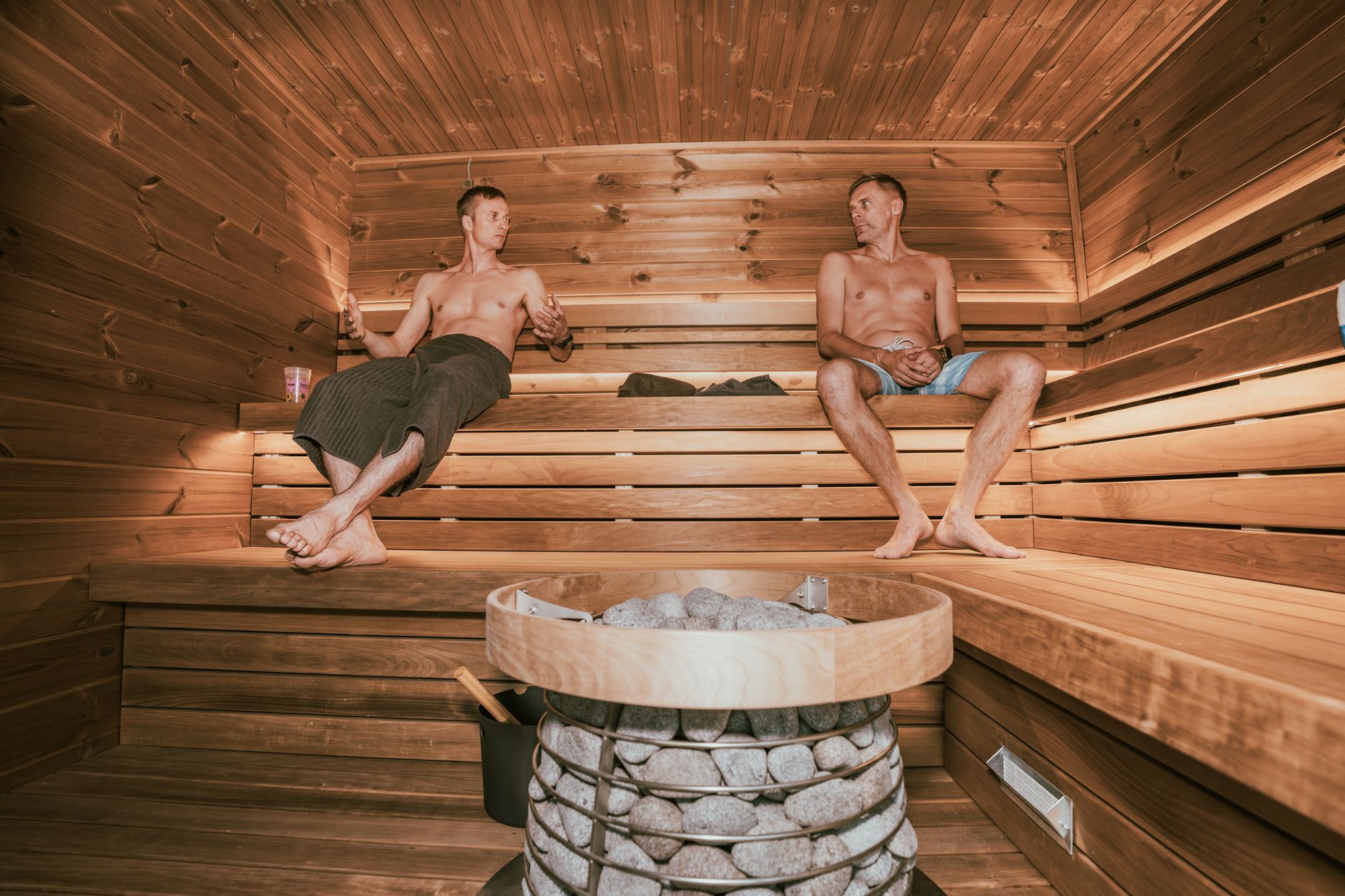
- Use sauna 12-24 hours before or after cold exposure, not immediately after (conflicting vasomotor signaling)
- Consume adequate carbohydrates and protein post-exposure to support recovery-mode metabolism
- Practice diaphragmatic breathing for 5-10 minutes post-exposure to anchor parasympathetic recovery
When to Advance Beyond Beginner Protocols
Only progress to longer durations (beyond 2-3 minutes) or lower temperatures (below 8°C) if you've demonstrated consistent adaptation markers for 8+ weeks. At that point, you can incrementally increase either duration or temperature—not both simultaneously. A realistic progression to advanced protocols takes 12-16 weeks minimum from baseline, not 4-6 weeks as marketed by many commercial programs.
The evidence strongly suggests that cold exposure benefits plateau around 3-5 minutes of cumulative exposure per week. Beyond that threshold, you're chasing diminishing returns while increasing injury and maladaptation risk.
Key Takeaways for Cold Shower Beginners
Start with 30 seconds at your shower's coldest setting. Prioritize breathing control over duration or temperature. Progress by 30-second increments every 2-3 weeks only if adaptation markers indicate readiness. Track physiological responses (HRV, recovery rate, breathing stability) rather than relying on subjective toughness metrics. Maintain 3-5 exposures weekly for measurable benefits. Consult a physician if you have cardiovascular risk factors. Finally, recognize that cold exposure is a training stressor—it requires recovery infrastructure (sleep, nutrition, stress management) to produce benefits rather than harm.