Understanding Biohacking: Definition and Core Principles
Biohacking refers to deliberate, strategic modifications to biological and physiological systems to enhance performance, longevity, and wellbeing. Unlike traditional medical approaches that treat disease, biohacking emphasizes optimization of healthy individuals through evidence-based interventions targeting nutrition, sleep, stress management, movement, and cognitive function.
The term gained prominence in the early 2010s but has evolved significantly by 2026 into a more scientifically rigorous discipline. Modern biohacking integrates biomarker tracking, personalized nutrition science, chronobiology, and epigenetics to create customized protocols rather than one-size-fits-all recommendations.
Key Biohacking Categories in Wellness
Nutritional Biohacking
Nutritional biohacking involves optimizing food choices and meal timing based on individual biochemistry and goals. Evidence-supported approaches include:
- Nutrient timing: Strategic consumption of macronutrients around exercise windows to enhance muscle protein synthesis and recovery
- Personalized nutrition: DNA and microbiome testing to identify optimal macro and micronutrient ratios for individual metabolism
- Circadian-aligned eating: Synchronizing meal timing with circadian rhythms to improve metabolic efficiency
- Micronutrient optimization: Targeted supplementation addressing individual deficiencies identified through biomarker testing
A 2024 study published in Nature Metabolism demonstrated that personalized nutrition based on metabolic markers produced superior glucose control compared to standard dietary recommendations, supporting the biohacking nutrition approach.
Sleep Optimization
Sleep represents one of the most impactful biohacking levers. Measurable interventions include:
- Maintaining consistent sleep schedules aligned with chronotype assessments
- Environmental optimization: temperature regulation (60-67°F), light exposure management, and acoustic dampening
- Strategic supplementation: magnesium glycinate, L-theanine, and glycine, supported by multiple RCTs demonstrating improved sleep quality
- Photobiomodulation timing: blue light exposure restriction 2-3 hours before sleep
Movement and Physical Stress
Biohacking exercise involves optimizing training protocols based on recovery markers and individual response patterns. Evidence supports:
- High-intensity interval training (HIIT) for cardiovascular and metabolic improvements, with 2-3 weekly sessions producing significant gains
- Resistance training periodization based on HRV (heart rate variability) monitoring to optimize recovery
- Zone 2 aerobic training for mitochondrial density enhancement without excessive inflammation
Cognitive Enhancement
Neurobiohacking focuses on optimizing brain function through evidence-based interventions:
- Cold exposure: 30-90 second cold water immersion shows benefits for dopamine elevation and stress resilience
- Sauna therapy: Regular exposure (3+ times weekly) demonstrates cardiovascular and cognitive benefits
- Meditation and neurofeedback: 10-20 minutes daily improves attention, emotional regulation, and prefrontal cortex activation
- Strategic nootropic use: compounds like caffeine-L-theanine combinations show robust evidence for attention without jitteriness
Biomarker Tracking and Data-Driven Optimization
Modern biohacking in 2026 emphasizes quantification and personalization through biomarker assessment. Essential markers include:
- Metabolic markers: fasting glucose, insulin, HbA1c, lipid profiles
- Inflammatory markers: high-sensitivity CRP, homocysteine, Lipoprotein(a)
- Hormonal markers: testosterone, cortisol, thyroid function (TSH, Free T3, Free T4)
- Nutritional status: vitamin D, B vitamins, iron, selenium, zinc
- Functional metrics: VO2 max, body composition, HRV, continuous glucose monitoring (CGM) data
This data-driven approach enables biohackers to identify which interventions produce measurable improvements within their unique biochemistry, moving beyond generalized advice.
Practical Implementation Strategies
Start with Assessment
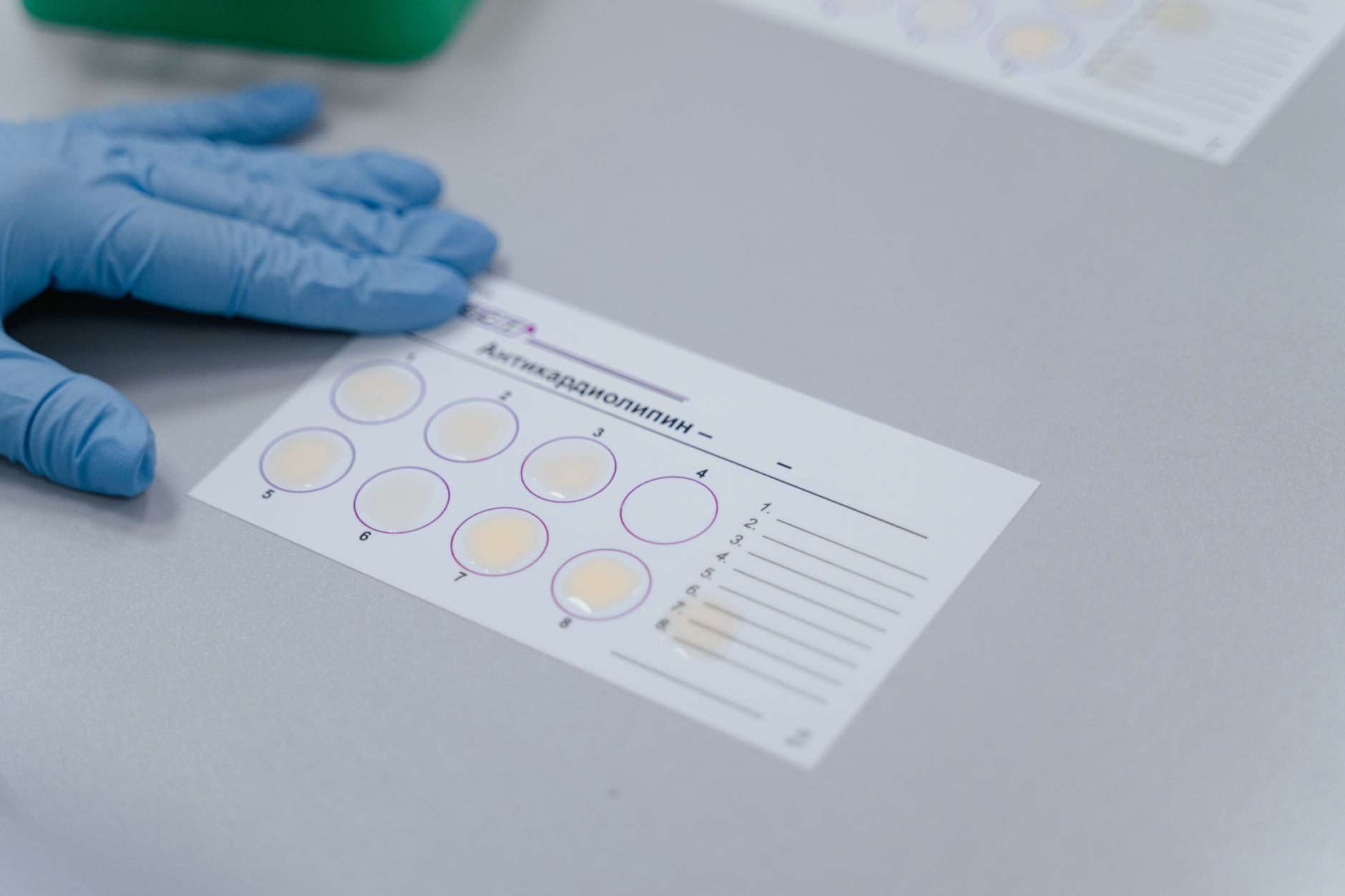
Before implementing biohacking protocols, establish baseline biomarkers through comprehensive laboratory testing. This identifies deficiencies and provides measurable endpoints for optimization efforts.
Implement Single Variables
Apply interventions sequentially, not simultaneously, allowing 4-8 weeks per variable to assess individual response. This methodology prevents confounding variables and identifies what actually works for your physiology.
Monitor and Adjust
Use tracking tools appropriate to your interventions:
- Wearable devices for sleep, HRV, and activity data
- Continuous glucose monitors for nutritional response assessment
- Periodic biomarker retesting (quarterly to annually) to measure progress
- Subjective metrics: energy levels, cognitive clarity, mood, recovery quality
Focus on Foundations First
Research demonstrates that sleep, stress management, nutrition, and movement produce 80% of optimization benefits. Advanced biohacking only enhances existing solid foundations.
Safety Considerations and Evidence Gaps
While many biohacking strategies show promise, important caveats exist:
- Individual variability: Genetic and biochemical diversity means interventions effective for some individuals may be ineffective or counterproductive for others
- Long-term safety data: Many biohacking protocols, including extended fasting, sauna therapy, and cold exposure at high frequencies, lack sufficient long-term human studies
- Supplement quality: The supplement industry remains inadequately regulated; third-party testing (NSF, USP certification) is essential
- Over-optimization: Excessive tracking and optimization attempts can paradoxically increase stress and negate benefits
- Medical supervision: Individuals with chronic conditions, on medications, or with metabolic disorders require medical oversight when implementing significant interventions
Common Biohacking Mistakes to Avoid
As of 2026, evidence increasingly demonstrates that common mistakes undermine biohacking effectiveness:
- Implementing too many interventions simultaneously, preventing clear attribution of results
- Neglecting sleep and stress management while pursuing advanced optimization strategies
- Assuming biohacking supplements compensate for poor foundational behaviors
- Following protocols optimized for others rather than personalizing based on individual biomarkers
- Pursuing optimization at the expense of psychological wellbeing and life enjoyment
The Future of Biohacking
By 2026, biohacking is increasingly sophisticated, incorporating AI-driven analysis of large datasets to predict individual responses to interventions. Emerging approaches include:
- AI-powered personalized nutrition algorithms analyzing genetic, microbiome, and metabolic data
- Continuous biomarker monitoring through non-invasive wearable sensors
- Precision peptide therapies targeting specific aging mechanisms
- Epigenetic profiling to optimize interventions for individual aging patterns
However, the most effective biohacking remains grounded in established science: consistent sleep, appropriate nutrition, regular movement, stress management, and strong social connections.
Conclusion
Biohacking in wellness represents a systematic, data-driven approach to optimizing human performance and longevity. Unlike fad health trends, evidence-based biohacking integrates established science with personalization, emphasizing measurable outcomes and individual biochemistry. Success requires patience, systematic implementation, biomarker tracking, and prioritization of foundational behaviors before pursuing advanced interventions. While exciting possibilities continue emerging in 2026, sustainable optimization remains grounded in fundamental principles: quality sleep, whole-food nutrition, consistent movement, and stress management. Those considering biohacking strategies should consult qualified healthcare providers, especially when implementing interventions affecting existing health conditions or medications.