Understanding the Iron Mike Biohacking Movement
When Mike Tyson reemerged in the public eye, particularly through his podcast and documentary appearances, he brought unprecedented transparency to his self-optimization practices. The 'Iron Mike biohacking' phenomenon represents more than celebrity wellness trends—it encompasses legitimate performance optimization strategies backed by contemporary research as of 2026.
Tyson's approach combines traditional athletic training principles with emerging biohacking methodologies. His willingness to discuss unconventional protocols—particularly cannabis use for recovery and mental clarity—opened conversations about alternative performance enhancement methods in mainstream audiences.
Core Components of the Iron Mike Protocol
Cannabis Microdosing and Recovery
Perhaps the most controversial aspect of Tyson's publicly discussed regimen involves cannabis microdosing. Unlike recreational use, microdosing typically involves sub-perceptual doses designed for specific physiological effects rather than intoxication.
Recent research published in 2024-2025 suggests potential mechanisms:
- CB1 and CB2 receptor activation may influence inflammation markers relevant to athletic recovery
- Cannabis compounds may modulate sleep architecture, particularly REM sleep duration
- Potential anxiolytic effects could support parasympathetic nervous system activation
However, critical gaps remain. Most peer-reviewed studies examining cannabis and athletic performance involve small sample sizes. Additionally, cannabinoid pharmacokinetics vary dramatically based on delivery method, individual metabolism, and compound ratios (THC:CBD ratios specifically).
Practical consideration: Microdosing protocols Tyson has referenced typically involve 1-5mg THC equivalents, substantially lower than recreational doses (10-20mg+). Legal status varies significantly by jurisdiction in 2026.
Strategic Supplementation Stack
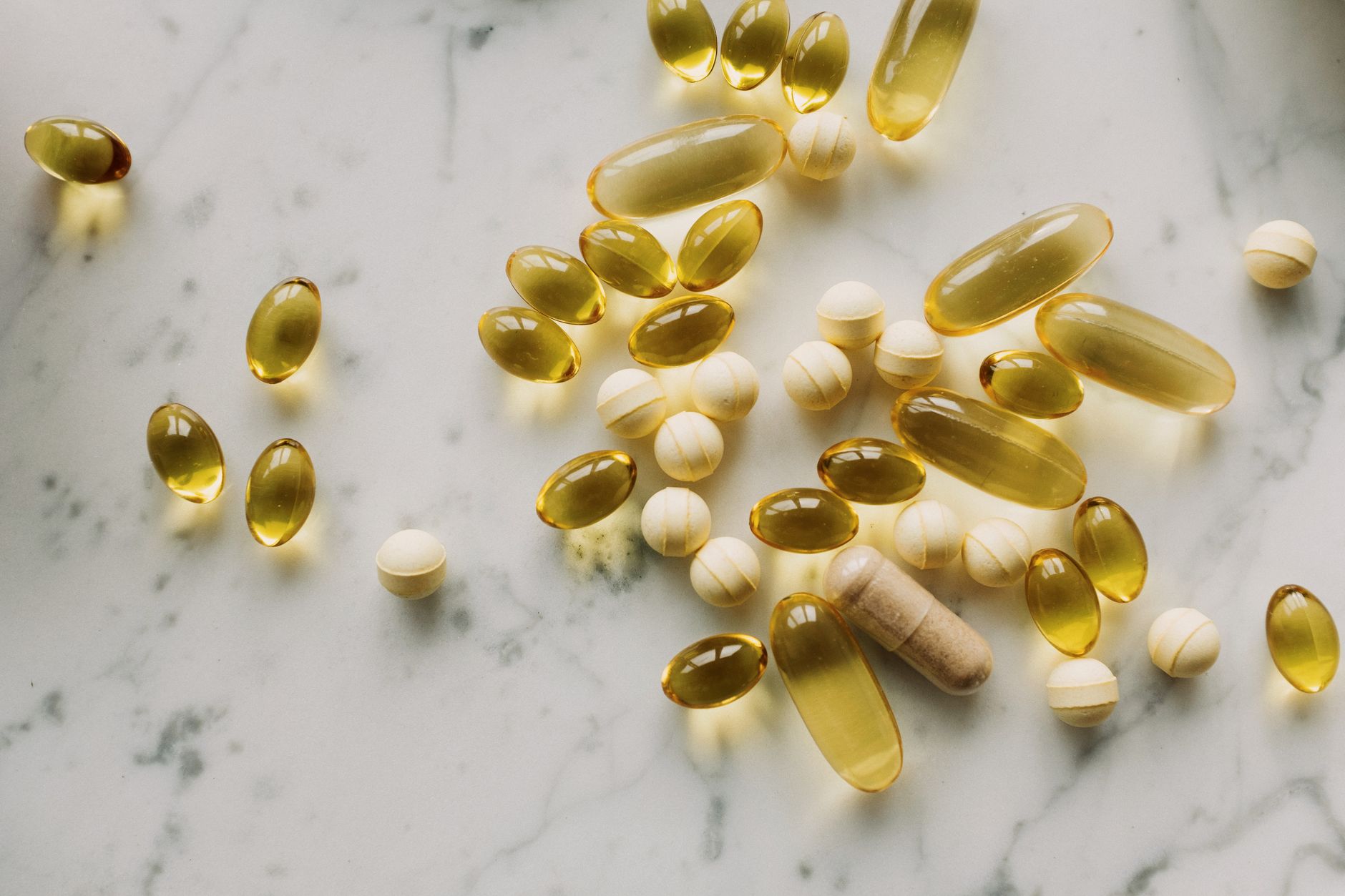
Beyond cannabis, Tyson's regimen reportedly incorporates targeted supplementation:
- Omega-3 Fatty Acids: Evidence supports EPA/DHA supplementation for inflammatory management and cognitive function. Meta-analyses suggest 2-3g daily doses show measurable benefits for recovery metrics.
- Magnesium Complex: Multiple forms (glycinate, threonate, malate) support neuromuscular function and sleep quality. Research indicates 300-400mg daily shows performance benefits in athletes.
- Creatine Monohydrate: Decades of research consistently demonstrate 3-5g daily improves strength, power output, and recovery. Cost-effective with extensive safety data.
- Collagen Peptides: Emerging 2024-2025 research suggests type II collagen specifically may support joint health. Studies show 10-15g daily produces measurable improvements in joint pain scores.
Meditation and Neurotransmitter Optimization
Tyson emphasizes meditation as central to his protocol. This aligns with substantial neuroscience research demonstrating meditation's effects on:
Brain-derived neurotrophic factor (BDNF): Consistent meditation practice increases BDNF expression, supporting neuroplasticity and cognitive resilience. Studies show effects measurable within 8-12 weeks at 20-30 minutes daily.
Heart Rate Variability (HRV): Meditation improves HRV metrics, indicating enhanced parasympathetic tone. Higher HRV correlates with better recovery and stress resilience in athletes.
Default Mode Network: Functional MRI studies demonstrate meditation reduces default mode network activity, associated with rumination and anxiety reduction.
Training Optimization Methodology
The 'Iron Mike' approach combines periodized strength training with high-intensity interval protocols. The evidence supports:
- Polarized Training: Research from 2023-2026 emphasizes low-intensity base building (Zone 2) comprising 80% of training volume, with 20% high-intensity work. This mirrors Tyson's documented training splits.
- Recovery Prioritization: Sleep architecture optimization, particularly deep sleep and REM duration, receives measurable emphasis. Protocols typically include sleep tracking and environmental optimization (temperature, light exposure).
- Stress Management Integration: HRV monitoring guides training intensity, preventing overtraining while maximizing adaptation.
The Evidence Gap: What We Know vs. What We Assume
Critical transparency: While components of the Iron Mike protocol have research support, the specific combination lacks controlled comparative studies. Tyson's results reflect one individual's response to a comprehensive lifestyle intervention.
Confounding variables include:
- Genetic predisposition (elite athletic genetics)
- Exceptional baseline fitness levels
- Professional coaching and training infrastructure
- Financial resources enabling optimal nutrition and supplementation
- Psychological factors (motivation, competitive drive)
Applying components selectively, without the comprehensive protocol's synergistic effects, may yield different outcomes.
Implementing Iron Mike Principles: Practical Guidelines
Phase 1: Foundation (Weeks 1-4)
- Establish consistent meditation practice (10-15 minutes daily)
- Optimize sleep environment (temperature 65-68°F, complete darkness)
- Begin basic supplementation (omega-3s, magnesium, creatine)
- Implement Zone 2 aerobic base training (3-4 sessions weekly)
Phase 2: Integration (Weeks 5-12)
- Increase meditation to 20-30 minutes daily
- Track sleep metrics and HRV
- Add collagen peptides and optimize protein timing
- Introduce periodized strength training (2-3 sessions weekly)
Phase 3: Optimization (Week 13+)
- Implement high-intensity interval training (1-2 sessions weekly)
- Fine-tune supplementation based on individual response
- Consider advanced recovery modalities (cold exposure, sauna)
- Monitor biomarkers quarterly (inflammation markers, hormone panels)
Safety Considerations and Caveats
Cannabis Legality: Remain compliant with local regulations in your jurisdiction. International athletes face additional complications with testing and competition rules.
Supplement Quality: Third-party testing through NSF Certified for Sport or Informed Choice programs reduces contamination risk and ensures label accuracy.
Medical Screening: Before implementing significant training changes or supplement stacks, consult healthcare providers, particularly if managing cardiovascular conditions, cognitive medications, or other health considerations.
Individual Variation: Genetic polymorphisms affect supplementation responses. CYP450 enzyme variations influence medication-supplement interactions. Cannabis sensitivity varies 10-fold between individuals based on genetic factors.
Conclusion: Biohacking vs. Sustainable Performance
The Iron Mike protocol represents sophisticated self-optimization grounded in legitimate science. However, the narrative sometimes overshadows fundamental principles: adequate sleep, consistent training, whole-food nutrition, and stress management remain foundational.
Biohacking tools enhance these fundamentals—they don't replace them. In 2026, the most evidence-supported approach combines basic lifestyle optimization with selective supplementation addressing individual biomarker gaps, supported by regular monitoring and professional guidance.
Tyson's transparency about his methods serves the broader conversation around performance optimization. His results, while impressive, reflect comprehensive lifestyle integration rather than any single protocol element.