Understanding Iron Mike Biohacking
"Iron Mike" biohacking refers to a systematic approach to optimizing physical performance, strength, and body composition through evidence-based nutritional, supplemental, and lifestyle interventions. The term draws inspiration from legendary athletes known for relentless pursuit of peak physical condition. In 2026, the biohacking community has refined these protocols with advanced biomarker testing, personalized nutrition science, and recovery technologies.
Unlike generic fitness advice, Iron Mike biohacking emphasizes quantified self-improvement, data-driven decision-making, and micro-optimizations across multiple domains. This integrative approach combines strength training science, nutrient timing, sleep optimization, and strategic supplementation.
Core Nutritional Pillars
Protein Optimization and Timing
Protein remains foundational for Iron Mike biohacking. Recent 2025-2026 meta-analyses confirm that distributed protein intake (0.7-1.0g per pound of body weight) outperforms concentrated dosing for muscle protein synthesis. The International Society of Sports Nutrition recommends consuming 20-40 grams of protein every 3-4 hours for optimal muscle adaptation.
Key strategies include:
- Leveraging essential amino acid profiles for pre and post-workout windows
- Incorporating bioavailable protein sources with complete amino acid profiles
- Timing leucine intake (2.5-3g) to trigger mTOR activation
Carbohydrate Periodization
Strategic carbohydrate manipulation enhances performance while maintaining metabolic flexibility. Rather than constant high carbohydrate intake, periodized approaches matching carbohydrate availability to training intensity yield superior results for strength athletes. Studies from 2025 demonstrate that strategic low-carbohydrate phases (1-2 days weekly) combined with high-carb training days optimizes insulin sensitivity and mitochondrial adaptation.
Evidence-Based Supplementation Stack
Performance Enhancement Compounds
The Iron Mike biohacking stack in 2026 prioritizes compounds with robust clinical evidence:
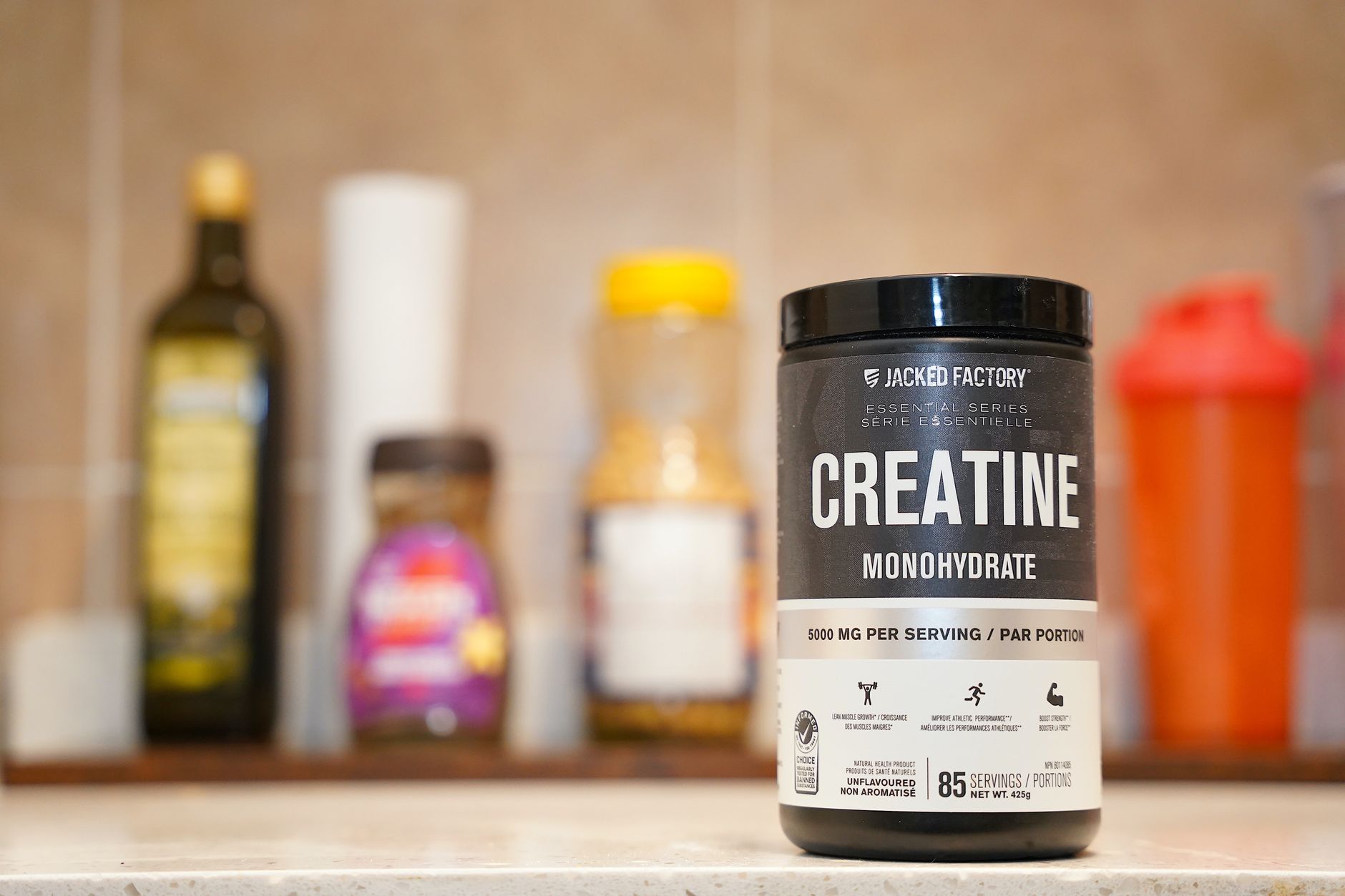
- Creatine Monohydrate (5g daily): Over 300 studies confirm 5-15% strength improvements. Cost-effective and extensively researched with exceptional safety profiles spanning decades.
- Beta-Alanine (3-5g daily): Buffers lactate accumulation, particularly beneficial for 60-240 second efforts. Expect 2-3% performance gains in high-intensity activities.
- Citrulline Malate (6-8g pre-workout): Enhances nitric oxide production, improving blood flow and endurance. 2024-2025 research confirms superior efficacy compared to L-arginine.
- Beetroot Juice Extract: Standardized nitrate content (500-1000mg) provides cardiovascular benefits and oxygen utilization improvements supported by consensus in sports nutrition literature.
Micronutrient Sufficiency
Performance optimization requires addressing micronutrient gaps. Comprehensive micronutrient testing (available through advanced labs in 2026) identifies deficiencies in magnesium, zinc, vitamin D, and iron—all critical for athletic performance. Magnesium supplementation (400-500mg daily) supports muscle function, recovery, and sleep quality.
Recovery and Adaptation Protocols
Sleep Architecture Optimization
Elite performance demands 7-9 hours of quality sleep. Biohacking approaches include:
- Consistent sleep-wake timing (even weekends) for circadian alignment
- Temperature optimization (65-68°F bedroom)
- Blue light management 1-2 hours before bed
- Strategic magnesium glycinate dosing (200-400mg) 30-60 minutes pre-sleep
Active Recovery Modalities
2026 evidence supports multi-modal recovery: light aerobic activity, mobility work, contrast temperature therapy, and strategic deloading weeks (20% reduction in volume every 4-6 weeks) enhance adaptation and prevent overtraining syndrome.
Biomarker Monitoring and Personalization
Advanced Iron Mike biohacking in 2026 leverages comprehensive biomarker assessment. Key metrics include:
- HbA1c and fasting glucose (metabolic health)
- Thyroid panels (TSH, Free T3, Free T4)
- Testosterone and cortisol (hormonal status)
- hs-CRP and lipid panels (inflammation markers)
- Micronutrient panels (iron, B12, vitamin D, zinc)
Quarterly biomarker assessment enables protocol refinement based on individual response patterns rather than generic recommendations.
Training Principles
Iron Mike biohacking emphasizes progressive overload within intelligently structured periodization. Research supports 8-12 week mesocycles with varying rep ranges: hypertrophy phases (8-12 reps, 60-70% 1RM), strength phases (3-6 reps, 80-90% 1RM), and power phases (explosive movements). Autoregulatory progressive resistance exercise (APRE) allows individual adaptation based on daily readiness.
Safety Considerations and Contraindications
While most evidence-based supplements carry minimal risk profiles, several precautions apply:
- Beta-alanine may cause paresthesia; start with lower doses
- High-dose creatine requires adequate hydration (minimum 3-4 liters daily)
- Individuals with kidney disease should avoid creatine supplementation
- Citrulline malate may interact with nitrate medications; consult healthcare providers
- Pregnant or breastfeeding individuals should avoid most performance supplements
Comprehensive health screening before implementing intensive protocols is essential. Athletes on medications should consult healthcare providers regarding supplement-drug interactions.
Integration Strategy for 2026
Rather than implementing all protocols simultaneously, structure implementation over 4-8 weeks:
- Week 1-2: Establish sleep and basic nutrition foundations
- Week 2-3: Implement core supplementation (creatine, basic micronutrient support)
- Week 4: Add performance compounds (beta-alanine, citrulline malate)
- Week 5+: Refine based on subjective feedback and biomarker data
Document baseline metrics, implement single-variable changes, and allow 4-6 week adaptation periods before adjusting protocols.
Conclusion
Iron Mike biohacking represents a sophisticated, evidence-based approach to physical optimization. In 2026, successful implementation requires commitment to sleep, nutrition fundamentals, strategic supplementation with proven compounds, and regular biomarker monitoring. Results emerge from consistency across multiple domains rather than any single intervention. Expect 3-6 month timelines for meaningful performance and body composition changes from comprehensive protocol implementation.