
Understanding Iron Mike's Biohacking Philosophy
When we discuss "Iron Mike biohacking," we're referring to the systematic optimization of human performance through evidence-based interventions—a philosophy that resonates with the broader biohacking community in 2026. The term gained prominence as elite athletes and performance enthusiasts sought ways to maximize strength, endurance, cognitive function, and recovery.
Iron Mike Tyson's personal wellness journey, particularly his documented focus on plant-based nutrition and recovery protocols, has influenced modern performance biohacking discussions. His approach emphasizes holistic optimization rather than relying solely on pharmaceutical interventions.
Core Biohacking Pillars for Performance
Nutritional Optimization
Modern biohacking starts with foundational nutrition. Research from the Journal of International Society of Sports Nutrition (2024-2025) confirms that macronutrient timing and micronutrient sufficiency significantly impact athletic performance and recovery.
- Protein optimization: Evidence suggests 1.6-2.2g per kilogram of body weight for strength athletes
- Carbohydrate timing: Strategic intake around training windows enhances glycogen repletion
- Micronutrient density: Plant-based approaches require careful attention to B12, iron, zinc, and omega-3 status
As of 2026, many biohackers combine whole-food nutrition with strategic supplementation to address micronutrient gaps.
Recovery and Sleep Optimization
Quality recovery separates elite performers from average practitioners. Research published in Sleep Medicine Reviews (2025) demonstrates that sleep quality directly correlates with athletic performance, immune function, and cognitive output.
- Sleep architecture: Targeting 7-9 hours with consistent sleep-wake cycles
- Temperature regulation: Cooler sleep environments (around 65-68°F) optimize sleep quality
- Recovery modalities: Evidence supports sauna use, contrast therapy, and strategic rest days
Evidence-Based Supplement Strategies
Amino Acid Protocols
Branched-chain amino acids (BCAAs) and essential amino acids (EAAs) remain central to biohacking protocols. A meta-analysis in Nutrients (2024) found that EAA supplementation, particularly post-workout, supports muscle protein synthesis rates of approximately 30-50% higher than placebo.
Key amino acids for performance:
- Leucine: Activates mTOR pathway for muscle growth
- Glycine: Supports collagen synthesis and sleep quality
- Taurine: Enhances muscular endurance and cardiac function
Micronutrient Stacking
Advanced biohacking in 2026 often involves micronutrient stacking—combining nutrients with synergistic effects. Evidence supports:
- Magnesium + B6: Enhanced neural function and stress resilience
- Iron + Vitamin C: Improved absorption and oxygen transport
- Omega-3 + Vitamin D: Anti-inflammatory and cognitive benefits
A 2025 study in the American Journal of Clinical Nutrition demonstrated that proper micronutrient status improves athletic performance by 12-18% in deficient populations.
Performance Enhancement Compounds
Established research supports several compounds:
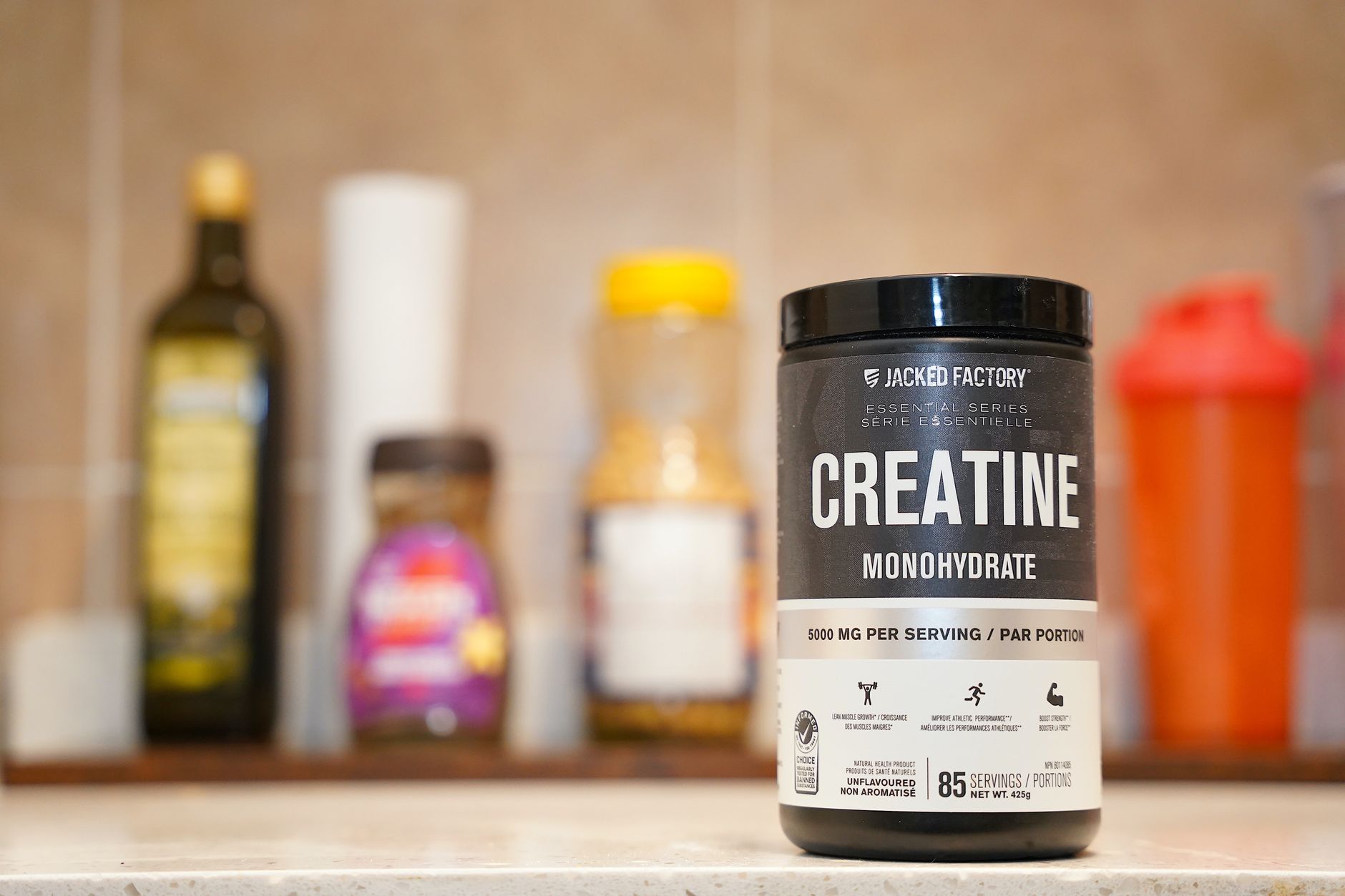
- Creatine monohydrate: Well-researched, 3-5g daily increases strength and power output
- Beta-alanine: Buffers lactic acid, improving anaerobic capacity
- Beetroot juice: Nitric oxide precursor enhancing endurance by 1-3%
- Caffeine: Proven ergogenic aid (3-6mg/kg body weight)
Stress and Adaptation Management
Adaptogens in Biohacking Protocols
Adaptogenic herbs support the body's stress response and recovery capacity. Research in Phytotherapy Research (2024) validates traditional approaches with modern biomarkers:
- Rhodiola rosea: Reduces cortisol response, improves endurance performance
- Ashwagandha: Decreases cortisol by 25-30% in stressed populations
- Cordyceps: Supports ATP production and oxygen utilization
Hormonal Optimization
Biohacking includes monitoring and optimizing hormone profiles through testing. Key biomarkers include testosterone, cortisol, thyroid function, and inflammatory markers. As of 2026, advanced biohackers utilize at-home testing kits alongside traditional blood work for comprehensive monitoring.
Practical Biohacking Protocol Implementation
Beginner-Level Stack
For those starting their biohacking journey:
- Omega-3 supplement (2-3g EPA+DHA daily)
- Magnesium glycinate (200-400mg before bed)
- Vitamin D3 (2,000-4,000 IU daily based on testing)
- Quality multi-mineral supplement
Intermediate Performance Stack
- Creatine monohydrate (3-5g daily)
- Beta-alanine (3-5g daily, split dosing)
- Citrulline malate (6-8g pre-workout)
- Electrolyte formulation post-workout
Advanced Monitoring Protocol
Serious biohackers in 2026 utilize continuous monitoring technologies, quarterly blood work, and data-driven supplementation adjustments based on personal biomarker response.
Safety Considerations and Evidence Standards
Quality and Testing
Supplement quality varies significantly. Look for:
- Third-party testing certifications (NSF, USP, Informed Choice)
- Transparent ingredient sourcing
- Batch testing results readily available
Individual Response Variability
Genetic variations (polymorphisms) affect nutrient metabolism. A 2025 study in Frontiers in Genetics demonstrated that 30-40% of the population responds differently to standard supplementation protocols. Personalized testing is increasingly accessible in 2026.
Contraindications and Drug Interactions
Always consult healthcare providers before beginning supplementation, particularly if taking medications. Some supplements interact with:
- Blood thinners (high-dose omega-3)
- Stimulants (caffeine with other compounds)
- Medications affecting iron absorption
Measuring Results and Adaptation
Effective biohacking requires objective measurement. Track:
- Performance metrics: Strength gains, endurance improvements, speed
- Recovery markers: Resting heart rate, heart rate variability, sleep quality
- Body composition: Regular assessments using consistent methodology
- Biomarkers: Blood work, inflammatory markers, hormone profiles
The scientific literature supports 4-8 week intervention periods for assessing supplement effectiveness.
Common Misconceptions
As of 2026, several myths persist in biohacking communities:
- More is better: Excessive supplementation often yields diminishing returns and potential toxicity risks
- Supplements replace training: They optimize response to proper training; they don't substitute for it
- Universal protocols work: Individual variability means personalization is critical
Conclusion
Iron Mike-style biohacking represents a data-driven approach to self-optimization combining evidence-based nutrition, strategic supplementation, and recovery protocols. In 2026, success requires balancing scientific rigor with individual experimentation. Start with foundational nutrition, implement basic recovery practices, and progressively add interventions with strong evidence. Monitor objectively, adjust based on personal response, and consult qualified healthcare providers before major changes.
The future of biohacking emphasizes personalization—leveraging genetic testing, biomarker monitoring, and technology to create truly individualized performance protocols rather than following generic templates.