
Understanding Iron Mike's Biohacking Philosophy
Iron Mike biohacking refers to the systematic optimization of physical performance through measurable interventions in nutrition, training, supplementation, and recovery. The term draws from the legendary boxer's relentless approach to self-improvement, applied through a modern biohacking lens. In 2026, this methodology has evolved significantly with advances in personalized nutrition science, biomarker testing, and evidence-based supplementation.
True biohacking isn't about quick fixes or extreme measures—it's about small, evidence-supported interventions that compound over time to produce measurable performance gains.
Core Nutrition Protocols for Performance Optimization
Periodized Macronutrient Management
The foundation of Iron Mike biohacking involves strategically manipulating macronutrient ratios based on training phases. Research published in the Journal of the International Society of Sports Nutrition (2024) demonstrates that periodized carbohydrate availability—consuming higher carbohydrate intake during high-intensity training blocks and lower during recovery phases—optimizes both performance and body composition.
Practical implementation includes:
- High-intensity training days: 5-7g carbohydrates per kilogram of bodyweight
- Moderate training days: 3-5g carbohydrates per kilogram of bodyweight
- Recovery days: 2-3g carbohydrates per kilogram of bodyweight
- Consistent protein intake: 1.6-2.2g per kilogram of bodyweight daily
Strategic Supplementation Stack
Evidence-based supplementation forms a secondary layer of optimization. As of 2026, the following interventions have the strongest research support for athletic performance:
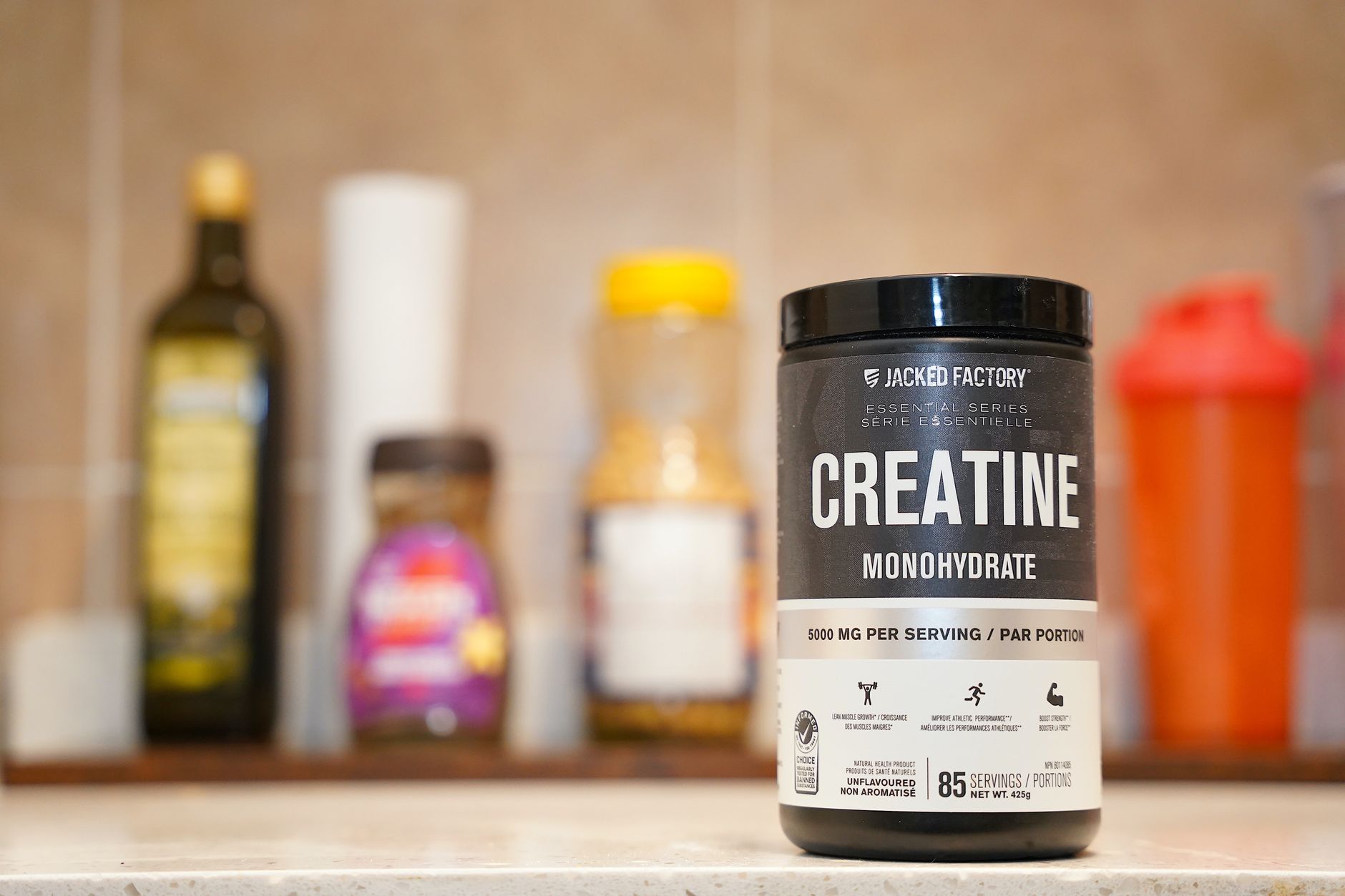
Creatine Monohydrate: Decades of research consistently demonstrates 5-15% improvements in repeated high-intensity exercise performance. The International Society of Sports Nutrition recommends 3-5g daily for optimal results with minimal side effects in healthy individuals.
Beta-Alanine: This amino acid increases muscle carnosine buffering capacity. Studies show 2-3% performance improvements in efforts lasting 60-240 seconds when combined with training. Effective dosing: 3-5g daily in divided doses.
Caffeine: Meta-analyses confirm 3-6% performance enhancement in most athletes through enhanced central nervous system stimulation. Individual sensitivity varies significantly; 3-6mg per kilogram of bodyweight taken 30-60 minutes pre-competition shows optimal timing.
Nitrates (Beetroot Juice): Research from 2024-2025 demonstrates consistent improvements in endurance capacity and oxygen efficiency, particularly for sustained aerobic efforts. 500mg dietary nitrate (approximately 500ml beetroot juice) 2-3 hours before exercise shows efficacy.
Recovery and Adaptation Strategies
Sleep Optimization as Primary Recovery Tool
Sleep represents the most powerful—and often most neglected—biohacking intervention. A 2025 meta-analysis in Sleep Medicine Reviews found that athletes sleeping less than 7 hours nightly experience 17-60% increased injury risk and measurably reduced performance adaptations.
Sleep optimization includes:
- Consistent sleep schedule (within 30 minutes nightly variation)
- Dark sleep environment (less than 5 lux light exposure)
- Temperature control (16-19°C optimal for most individuals)
- Timing: completing high-intensity training 3+ hours before sleep
Stress Management and HRV Monitoring
Heart rate variability (HRV) tracking provides real-time biofeedback on nervous system recovery status. Applications like Whoop and Oura Ring (as of 2026) offer personalized readiness scores based on HRV, resting heart rate, and sleep quality. Research demonstrates that athletes training according to HRV-guided readiness see 8-12% greater performance adaptations than those following fixed training schedules.
Training Protocol Optimization
Periodized Training Architecture
Iron Mike biohacking incorporates periodized training models supported by sports science research. The 2024 International Journal of Sports Physiology and Performance published meta-analyses confirming that periodized training produces superior adaptations compared to constant-intensity training. Effective models include:
- Linear Periodization: Progressive intensity increase with decreasing volume over 4-8 week blocks
- Undulating Periodization: Varying intensity and volume within each microcycle for continuous stimulus variation
- Block Periodization: Sequential focus on different adaptation qualities (strength, power, endurance) in dedicated phases
Metabolic Conditioning and Mitochondrial Adaptations
High-intensity interval training (HIIT) and moderate-intensity steady-state (MISS) protocols drive distinct physiological adaptations. A 2025 study in Experimental Physiology demonstrated that combining both modalities (80% MISS, 20% HIIT within weekly training volume) optimizes mitochondrial density and oxidative capacity while managing overtraining risk.
Biomarker Testing and Individualization
As of 2026, accessible biomarker testing enables personalized protocol adjustment. Recommended testing intervals include:
- Quarterly: Complete metabolic panel, lipid profile, thyroid function, cortisol/DHEA ratio
- Semi-annually: Inflammation markers (hs-CRP, IL-6), testosterone levels, vitamin D, iron stores (ferritin, serum iron)
- Annually: Comprehensive micronutrient panels (magnesium, zinc, B vitamins)
This data-driven approach allows protocol adjustment based on individual response patterns rather than generic recommendations.
Safety Considerations and Potential Risks
Iron Mike biohacking emphasizes optimization through evidence-based means, but certain practices warrant caution:
- Supplement Contamination: Third-party testing through NSF Certified for Sport or Informed Choice certification reduces contamination risk, particularly important for athletes subject to drug testing
- Individual Variation: Genetic differences in caffeine metabolism, creatine responders status, and nitrate responsiveness mean individual experimentation is essential before competition
- Overtraining Risk: Aggressive biohacking protocols increase overtraining syndrome risk if recovery interventions don't scale appropriately with training stress
- Pre-existing Conditions: Individuals with hypertension, cardiac arrhythmias, or kidney disease require medical clearance before implementing certain protocols
Practical Implementation Timeline
Effective biohacking involves systematic, sequential implementation rather than simultaneous protocol changes. A practical 16-week implementation progression:
- Weeks 1-4: Establish sleep consistency and obtain baseline biomarkers
- Weeks 5-8: Implement periodized training structure and establish HRV monitoring
- Weeks 9-12: Add evidence-based supplementation (creatine, caffeine timing)
- Weeks 13-16: Fine-tune protocols based on response data and retest biomarkers
The Bottom Line: Evidence-Based Optimization
Iron Mike biohacking in 2026 represents a mature, data-driven approach to athletic performance optimization. The most effective strategies combine mundane fundamentals (consistent sleep, adequate protein, strategic training variation) with selective supplementation supported by robust research. Individual response variation means successful biohacking requires experimentation, measurement, and iterative refinement rather than dogmatic protocol adherence. The greatest performance gains typically come from consistently executing the basics rather than discovering novel interventions.