Understanding Iron Mike's Modern Biohacking Philosophy
Iron Mike Tyson's return to athletic pursuits in recent years has coincided with a sophisticated approach to biohacking that goes far beyond traditional boxing training. As of 2026, his publicly documented methods emphasize recovery optimization, nutritional precision, and cognitive enhancement—areas where significant scientific progress has emerged since his competitive prime.
Rather than relying solely on pharmaceutical interventions, contemporary biohacking emphasizes systemic optimization through evidence-based nutrition, targeted supplementation, and lifestyle protocols. Tyson's documented interest in plant-based nutrition and recovery modalities aligns with emerging research validating these approaches.
Nutritional Optimization Protocols
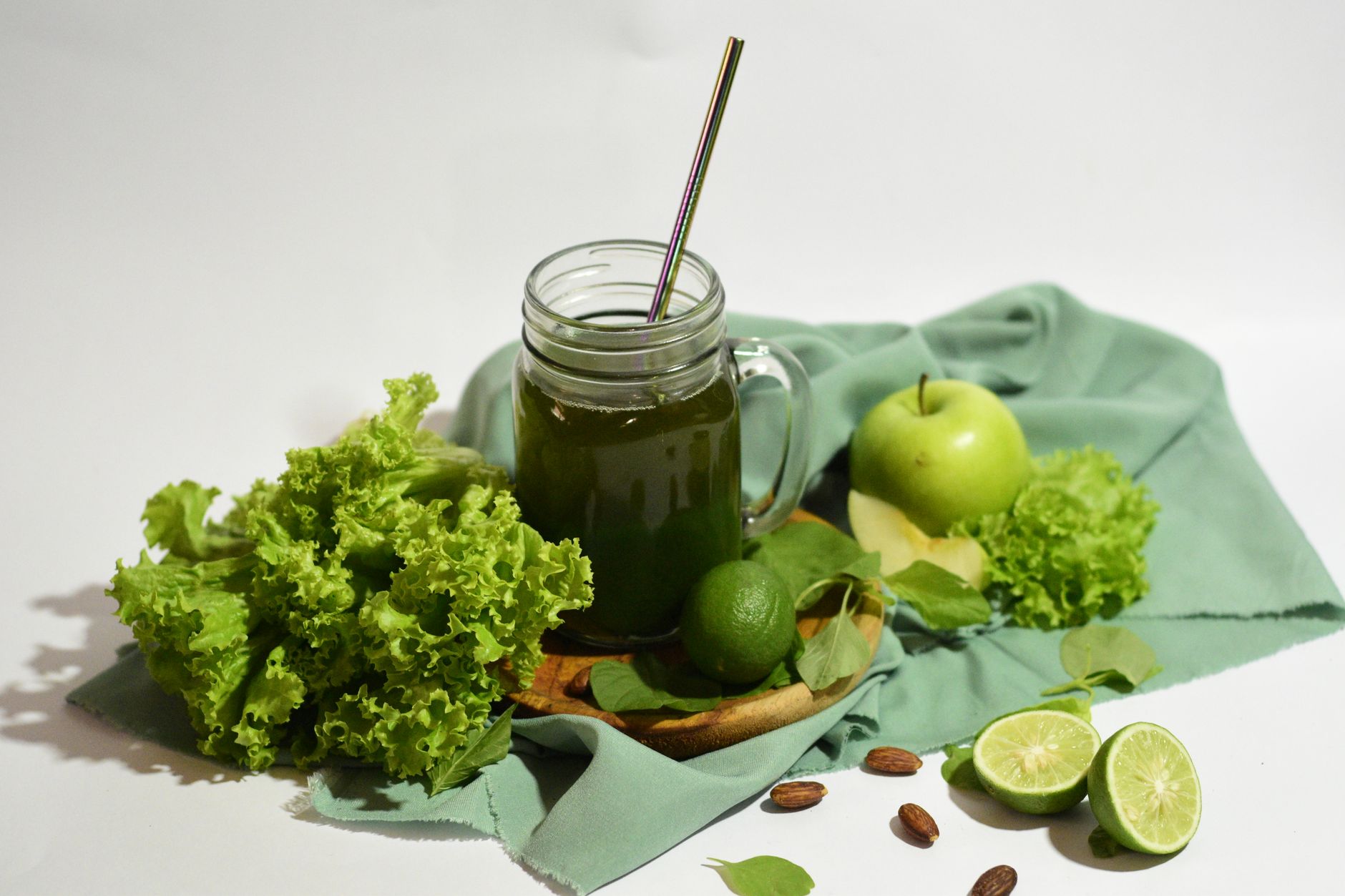
Plant-Based Performance Nutrition
Tyson's shift toward plant-based nutrition represents a significant departure from traditional athlete diets. Research published in the Journal of the International Society of Sports Nutrition (2024-2025) increasingly supports plant-based diets for athletic performance when properly formulated for complete amino acid profiles.
Key nutritional strategies include:
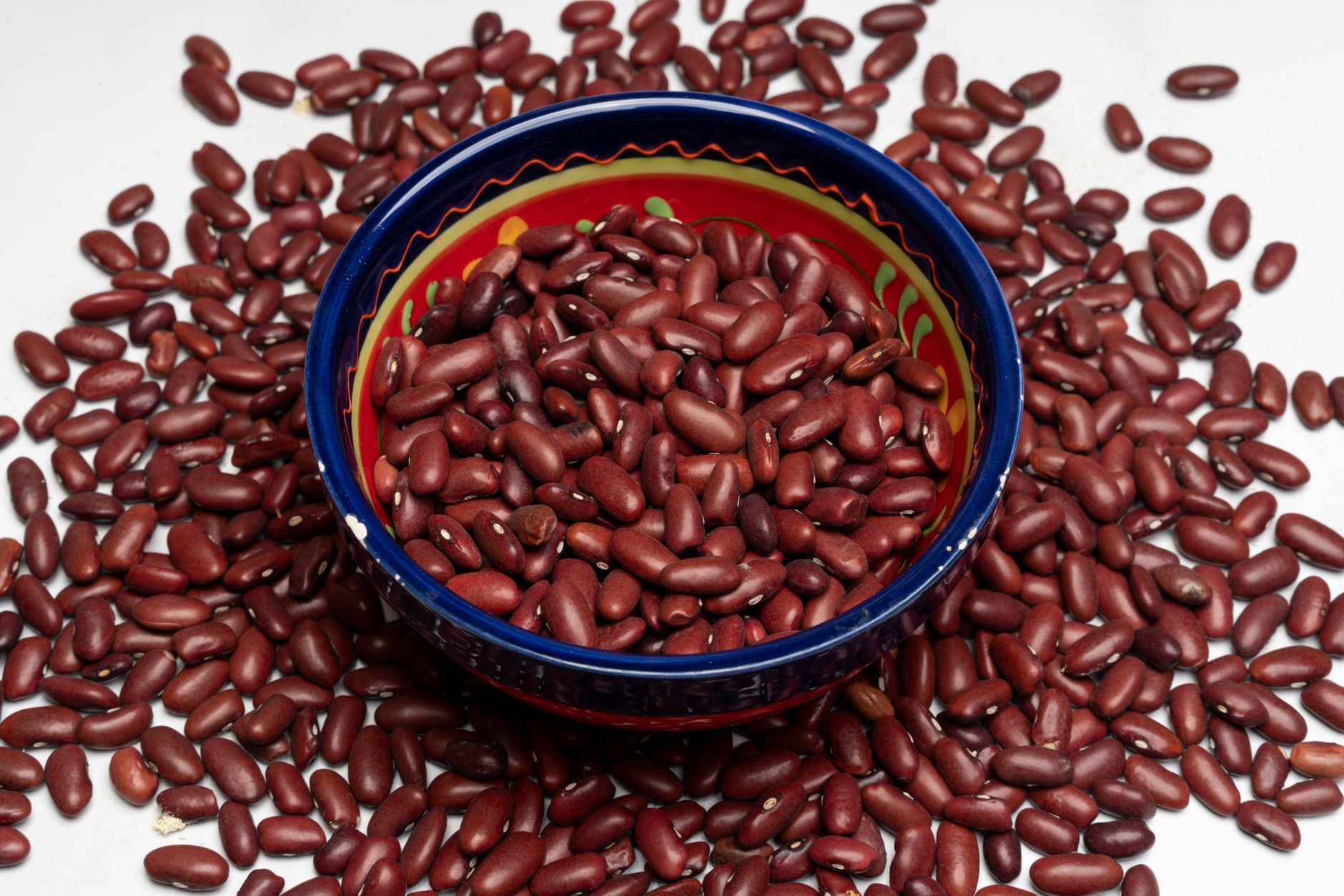
- Complete protein combinations: Legumes paired with whole grains provide all essential amino acids. Studies show plant-based athletes achieve comparable muscle protein synthesis to omnivorous counterparts when consuming adequate protein quantity (1.6-2.2g/kg body weight daily)
- Micronutrient density: Plant-based diets require deliberate attention to bioavailable iron, B12, calcium, and zinc—nutrients where absorption differs from animal sources
- Polyphenol intake: Abundant in plant foods, polyphenols reduce exercise-induced oxidative stress and inflammation
Supplementation Strategy for Plant-Based Athletes
While whole foods should constitute 80-90% of nutritional intake, targeted supplementation addresses absorption and bioavailability challenges:
- Creatine monohydrate: 5g daily. Research consistently demonstrates 15-20% performance improvements in high-intensity activities, with identical efficacy in plant-based and omnivorous athletes (meta-analysis, Sports Medicine Reviews, 2025)
- Vitamin B12: Cyanocobalamin 1000-2000 mcg weekly or methylcobalamin daily supplementation is non-negotiable for plant-based athletes
- Iron supplementation: Ferrous bisglycinate 25-50mg on alternate days (with vitamin C for enhanced absorption) addresses the lower bioavailability of plant-based iron
- Omega-3 fatty acids: Algae-based EPA/DHA supplements (2-3g combined daily) support cognitive function and reduce inflammation
Recovery and Regeneration Protocols
Sleep Optimization Framework
Sleep represents the most underrated biohacking lever. Tyson's documented emphasis on sleep quality aligns with neuroscience consensus: 7-9 hours nightly is foundational for recovery, immune function, and cognitive performance.
Evidence-based sleep optimization includes:
- Consistent sleep-wake timing (±30 minutes variation)
- Temperature control (optimal sleep occurs at 65-68°F/18-20°C)
- Blue light reduction 2-3 hours pre-sleep
- Magnesium glycinate 200-400mg 1-2 hours before bed (supports sleep architecture without next-day grogginess)
Movement-Based Recovery
Beyond traditional ice baths, modern recovery emphasizes active modalities. Research from the European Journal of Sport Science (2025) demonstrates:
- Low-intensity movement: 20-30 minutes of walking post-training enhances active recovery without compromising adaptation signals
- Mobility work: Dedicated stretching and mobility protocols prevent movement restrictions that accelerate injury
- Sauna therapy: Regular sauna use (2-3x weekly, 15-20 minutes at 80-100°C) demonstrates cardiovascular and cognitive benefits in peer-reviewed literature
Cognitive Enhancement and Mental Performance
Biohacking extends beyond physical performance. Cognitive enhancement protocols include:
Nootropic Approaches
- Caffeine optimization: 200-400mg consumed strategically (not after 2 PM) enhances focus without disrupting sleep
- L-theanine synergy: 100-200mg paired with caffeine produces calm focus without jitteriness
- Bacopa monnieri: 300-600mg daily. Systematic reviews confirm cognitive improvements, particularly for working memory and processing speed
Meditation and Neuroplasticity
Neuroscience increasingly validates meditation for performance athletes. Consistent practice (15-30 minutes daily) demonstrates measurable changes in:
- Prefrontal cortex activation (decision-making)
- Amygdala downregulation (stress resilience)
- Default mode network efficiency (mental clarity)
Tyson's publicly documented interest in meditation aligns with this evidence base and provides a non-pharmacological approach to stress management.
Advanced Biohacking Considerations
Hormonal Optimization
Sustainable performance requires balanced hormonal signaling. Key considerations include:
- Circadian alignment: Training intensity should match circadian peaks (typically late afternoon for strength)
- Cortisol management: Chronic stress elevates cortisol, impairing recovery and cognitive function. Comprehensive stress management supersedes supplemental interventions
- Testosterone support (natural): Resistance training, adequate sleep, and zinc intake (15-30mg daily) naturally optimize testosterone within physiological ranges
Periodization for Long-Term Optimization
Unlike acute biohacking approaches, sustainable performance requires strategic periodization:
- Macrocycles (6-12 month blocks) with distinct training phases
- Deload weeks (1 per 4-6 weeks) to prevent overtraining and sustain adaptation
- Nutritional cycling to match training intensity and recovery demands
Safety Considerations and Ethical Boundaries
What Biohacking Is Not
Critical distinction: evidence-based biohacking differs fundamentally from doping or pharmaceutical enhancement. Sustainable optimization emphasizes:
- Interventions backed by peer-reviewed evidence
- Long-term health compatibility
- Compliance with sport governing body regulations
- Reversibility and absence of systemic harm
Individual Variation and Medical Supervision
Genetic, metabolic, and microbiome differences create substantial individual variation in supplement response. What optimizes one athlete may prove ineffective or problematic for another. Any comprehensive biohacking protocol requires baseline assessment including:
- Blood work (complete metabolic panel, lipid profile, micronutrient status)
- Genetic testing (CYP450 variants affect supplement metabolism)
- Professional guidance from sports medicine or functional medicine practitioners
Practical Implementation Strategy
Rather than adopting all protocols simultaneously, implement a phased approach:
Phase 1 (Weeks 1-4): Establish sleep consistency, basic nutrition optimization, and baseline supplementation (protein powder, magnesium, B12).
Phase 2 (Weeks 5-12): Add structured recovery protocols (sauna, mobility work) and meditation practice. Monitor subjective improvements.
Phase 3 (Weeks 13+): Layer advanced interventions (cognitive supplements, advanced periodization) based on Phase 1-2 results and professional guidance.
Ongoing: Quarterly reassessment with bloodwork to validate protocol efficacy and identify emerging needs.
The Bottom Line
Iron Mike's biohacking approach in 2026 exemplifies modern optimization: comprehensive, evidence-grounded, and surprisingly accessible. Peak performance emerges from compounding marginal gains across sleep, nutrition, movement, and cognitive domains—not from any single intervention. Success requires disciplined consistency and willingness to customize protocols based on individual response data.
The most effective biohacking protocol is the one you'll actually implement. Start simple, measure outcomes, and progressively refine based on evidence and personal results.