
Understanding Iron Mike Biohacking
Iron Mike biohacking refers to a comprehensive optimization protocol popularized in 2024-2026 fitness circles, focused on maximizing muscle performance, recovery speed, and overall physical resilience. Named after legendary boxer Mike Tyson's documented commitment to athletic excellence, this approach combines targeted supplementation, periodized nutrition, strategic recovery protocols, and evidence-based training optimization.
Unlike generic fitness advice, Iron Mike biohacking emphasizes personalized data collection, biomarker tracking, and systematic protocol adjustment based on measurable outcomes. In 2026, advanced biomarker testing has made this approach more accessible to mainstream audiences.
Core Supplementation Protocols
Creatine Monohydrate Foundation
Creatine monohydrate remains one of the most researched and effective supplements in the Iron Mike protocol. The International Society of Sports Nutrition (ISSN) confirms 3-5 grams daily increases ATP production, particularly benefiting high-intensity efforts lasting 6-30 seconds.
- Loading phase: 20g daily (5g × 4 doses) for 5-7 days, then 3-5g maintenance
- Non-loading alternative: 3g daily for 28 days achieves similar saturation
- Evidence: Research demonstrates 5-15% performance improvement in repeated sprint capacity
Beta-Alanine for Anaerobic Capacity
Beta-alanine increases muscle carnosine concentrations, buffering hydrogen ions during intense exercise. A 2025 meta-analysis found consistent benefits for efforts lasting 1-4 minutes—perfect for combat sports intervals.
- Effective dose: 3-6g daily divided into smaller doses (avoid single large doses causing paresthesia)
- Timeline: 4-6 weeks for noticeable saturation effects
- Benefit magnitude: 2-3% improvement in repeated high-intensity efforts
Electrolyte Optimization
Sodium, potassium, and magnesium balance critically impacts performance and recovery. Iron Mike protocols emphasize strategic electrolyte timing around training sessions rather than continuous supplementation.
- Sodium: 500-700mg per liter of fluid during intense training
- Magnesium: 400-500mg daily, preferably split dosing
- Potassium: Emphasis on whole foods (bananas, sweet potatoes) rather than supplementation alone
Protein and Amino Acid Strategies
Leucine-Enriched Protocols
Leucine serves as the primary mTOR activator for muscle protein synthesis. Iron Mike biohacking emphasizes leucine thresholds rather than total protein consumption.
Research from 2024-2026 indicates 40-50 grams of protein per meal maximizes muscle protein synthesis when distributed across 3-4 daily meals, each containing 2.5+ grams of leucine. For athletes, total daily protein targets remain 1.6-2.2g per kilogram of body weight.
Timing Protocols
While the anabolic window concept has evolved, post-exercise protein consumption within 2 hours remains supportive of recovery when total daily protein intake is adequate. Iron Mike protocols emphasize consistency over narrow timing windows.
Recovery and Sleep Optimization
Sleep Architecture Enhancement
Sleep quality directly impacts hormone profiles, muscle protein synthesis, and central nervous system recovery. Iron Mike biohacking prioritizes sleep as a primary training component.
- Magnesium glycinate: 300-400mg before bed (evidence supports glycine's calming properties)
- Glycine supplementation: 3-5g for improved sleep quality and collagen synthesis
- Room temperature: 65-68°F (18-20°C) optimizes rapid eye movement (REM) sleep
Active Recovery Modalities
Evidence from 2025-2026 supports light activity (walking, swimming) on off-days, accelerating blood lactate clearance and promoting parasympathetic activation without imposing training stress.
Biomarker Tracking and Personalization
Essential Measurements
Iron Mike biohacking in 2026 emphasizes data-driven protocol adjustment. Key biomarkers include:
- Testosterone/cortisol ratio (indicating adequate recovery)
- VO2 max (measuring aerobic capacity)
- Resting heart rate variability (assessing nervous system recovery)
- Body composition via DEXA scanning (tracking muscle vs. fat gains)
- Blood glucose response to meals (optimizing nutrient timing)
Quarterly Reassessment
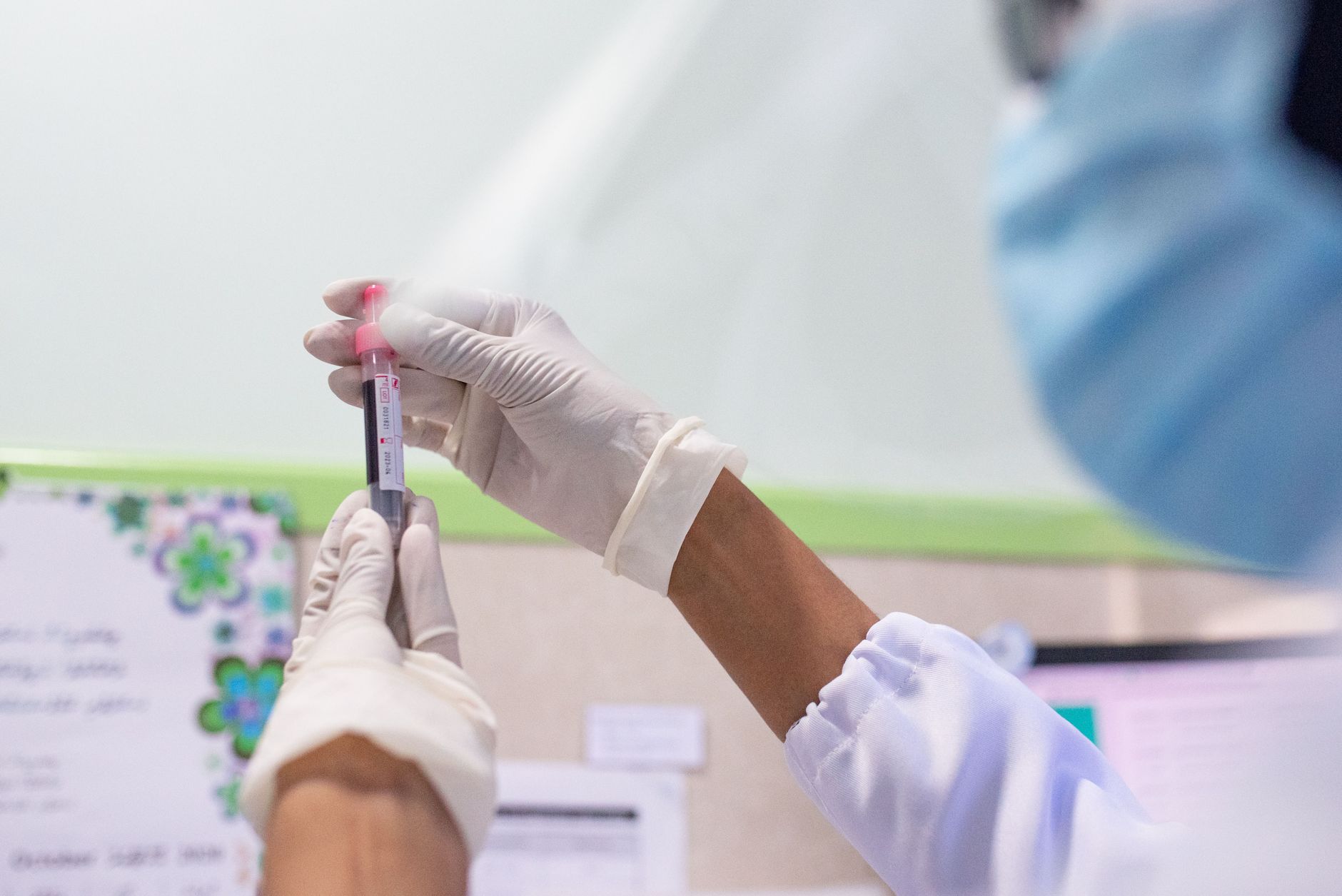
The Iron Mike protocol recommends comprehensive biomarker testing quarterly to adjust supplementation, training volume, and nutritional strategies based on individual responses—a practice increasingly accessible in 2026 through direct-to-consumer testing services.
Practical Implementation Guidelines
Phase 1: Foundation (Weeks 1-4)
- Establish consistent sleep schedule (7-9 hours nightly)
- Implement creatine monohydrate (3g daily)
- Calculate protein requirements and distribute across meals
- Baseline biomarker testing
Phase 2: Optimization (Weeks 5-12)
- Add beta-alanine if training includes 1-4 minute efforts
- Implement strategic electrolyte timing
- Introduce magnesium glycinate for sleep enhancement
- Adjust based on training response data
Phase 3: Advanced (Weeks 13+)
- Consider additional compounds based on biomarker feedback
- Periodize supplementation matching training phases
- Reassess quarterly and adjust protocols
Safety Considerations and Contraindications
Medical Screening Requirements
Before implementing Iron Mike biohacking protocols, particularly involving supplementation, consult healthcare providers if you have:
- Kidney disease or compromised renal function (creatine safety)
- Hypertension (sodium and electrolyte sensitivity)
- Medication interactions (particularly with blood thinners or cardiac medications)
- Pregnancy or nursing status
Supplement Quality and Sourcing
In 2026, third-party testing through NSF International or Informed Choice certification ensures supplement purity and labeled accuracy—critical given the unregulated supplement industry. Prioritize tested products over discount alternatives lacking verification.
Hydration Management
Excessive creatine supplementation paired with insufficient hydration increases dehydration risk. Maintain water intake at minimum 3-4 liters daily when supplementing, increasing with training volume and environmental conditions.
Common Mistakes to Avoid
- Supplement stacking without baseline data: Add interventions individually to assess personal response
- Neglecting sleep prioritization: Supplements cannot compensate for inadequate sleep
- Exceeding protein recommendations: Evidence supports 1.6-2.2g/kg; exceeding this provides no additional benefit
- Ignoring hydration: Performance gains vanish with poor hydration status
- Protocol rigidity: Successful biohacking requires quarterly reassessment and adjustment
2026 Advances in Biohacking Science
Recent developments enhance Iron Mike protocol effectiveness. Continuous glucose monitoring enables personalized carbohydrate timing. Wearable heart rate variability tracking provides real-time recovery assessment. Genetic testing identifies individual variations in nutrient metabolism, informing personalized supplementation strategies.
However, foundational practices—adequate sleep, consistent training, proper nutrition—remain non-negotiable. Biohacking optimizes existing good habits; it cannot substitute for them.
Final Considerations
Iron Mike biohacking represents legitimate performance optimization grounded in sports science. Success requires patience, consistent implementation, and willingness to adjust based on individual response data. Supplement effectiveness varies substantially between individuals based on genetics, training status, and baseline nutrition.
The most effective protocol is one you'll sustain consistently while remaining responsive to biomarker feedback and training outcomes.