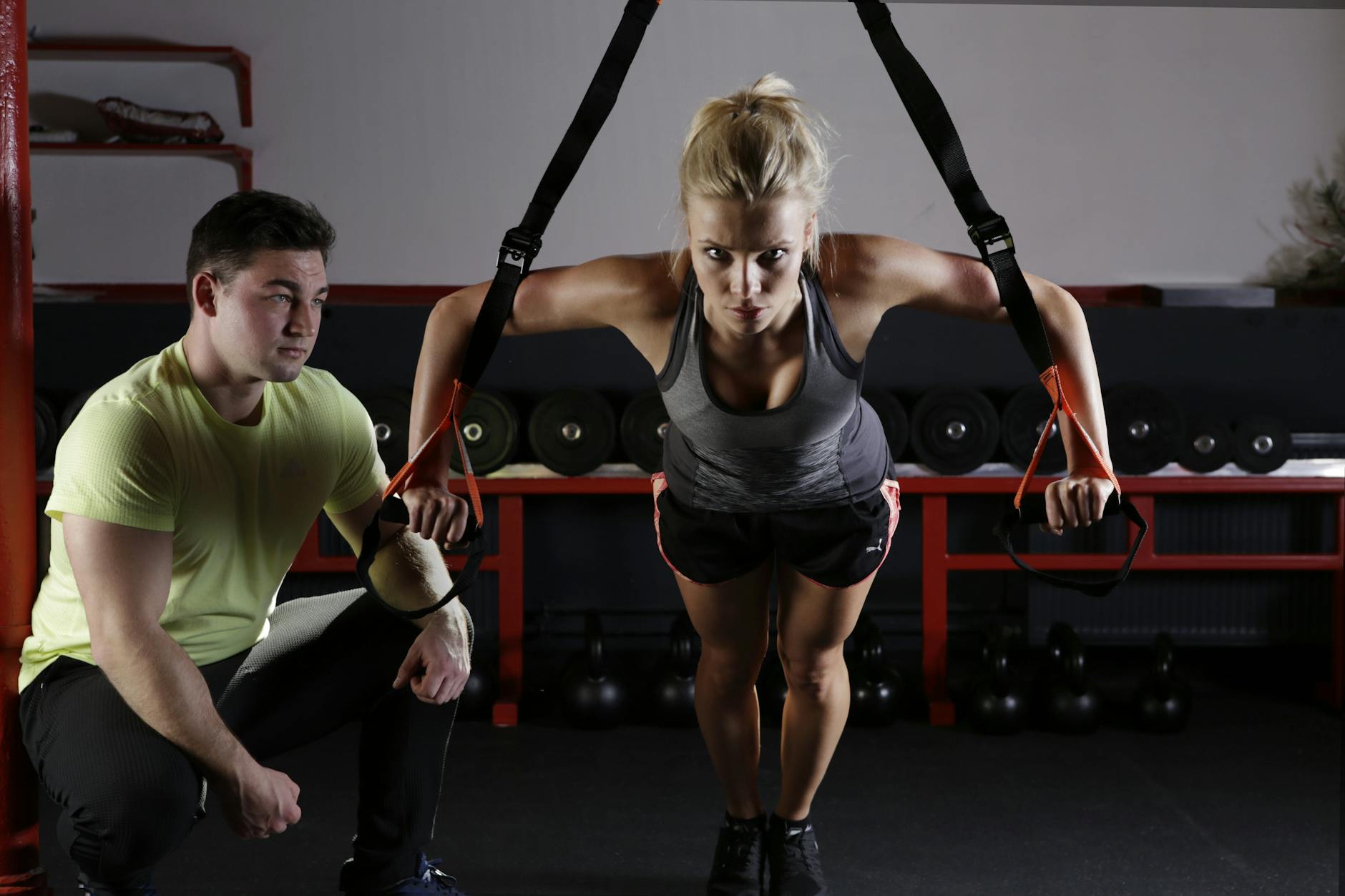
Understanding Female Biohacking: Beyond Generic Health Advice
Female biohacking diverges fundamentally from traditional health optimization because women's bodies operate within distinct biological rhythms. The menstrual cycle creates predictable hormonal fluctuations—estrogen and progesterone variations that influence energy, strength, metabolism, and cognitive function. Ignoring these patterns means missing crucial opportunities for strategic self-optimization.
Recent research from the Journal of the International Society of Sports Nutrition (2025) demonstrates that women who align training intensity with their menstrual cycle show 15-20% greater strength gains and improved recovery compared to those following static protocols. This cycle syncing represents foundational female biohacking.
Hormonal Cycle Optimization: The Foundation
Menstrual Cycle Phases and Strategic Training
The menstrual cycle comprises four distinct phases, each offering unique opportunities:
- Menstruation (Days 1-5): Lower estrogen/progesterone favor recovery-focused activities. Prioritize gentle movement, mobility work, and parasympathetic activation. Iron supplementation becomes crucial due to losses.
- Follicular Phase (Days 6-14): Rising estrogen increases strength, pain tolerance, and performance capacity. Implement high-intensity interval training (HIIT), strength work, and challenging new skills during this window.
- Ovulation (Days 15-17): Peak estrogen and testosterone create optimal performance conditions. Schedule maximum-effort workouts, competitive activities, and PRs here.
- Luteal Phase (Days 18-28): Rising progesterone increases metabolic rate by 100-300 calories daily. Emphasize strength work (progesterone supports muscle protein synthesis) and increase carbohydrate intake by 10-15% to support higher energy needs.
Nutritional Cycle Syncing
Macro nutrient timing dramatically impacts female performance and body composition. A 2024 study in Nutrients Journal found women who adjusted carbohydrate intake across cycle phases lost 12% more body fat while preserving muscle compared to controls consuming static macros.
- Follicular/Ovulation: Lower carb tolerance; lean toward 35-40% daily calories from carbs, emphasizing pre/post-workout timing
- Luteal: Progesterone enhances carbohydrate utilization; increase to 45-50% daily calories, distributed throughout the day rather than concentrated at single meals
- Protein: Maintain 1.6-2.0g per kg bodyweight consistently; luteal phase may require slight increases due to higher metabolic demand
- Fat: Increase omega-3 fatty acids during the luteal phase to combat progesterone-induced inflammation and support mood stability
Metabolic Optimization for Women
Estrogen-Dependent Metabolic Patterns
Women's resting metabolic rate fluctuates 5-10% across the menstrual cycle. Estrogen increases metabolic rate and fat oxidation capacity, while progesterone increases hunger hormones and energy expenditure variability. Understanding this prevents misguided caloric restriction during high-need phases.
Research from Cell Metabolism (2025) demonstrates that women consuming adequate calories during the luteal phase experience superior body composition outcomes versus those restricting intake, because inadequate calories during high-progesterone phases trigger muscle catabolism and metabolic adaptation.
Sleep Optimization for Hormonal Health
Progesterone exhibits sleep-promoting properties, yet temperature dysregulation during the luteal phase disrupts sleep quality. Strategic interventions include:
- Environmental temperature reduction (65-67°F) during luteal phase
- Evening magnesium glycinate supplementation (300-400mg) to improve sleep continuity
- Blue light reduction 90 minutes before bed; luteal phase requires more aggressive sleep hygiene
- Consistent sleep schedule ±30 minutes across all cycle phases
Supplementation Strategies for Female Optimization
Evidence-Based Supplements for Cycle Support
Most female-specific supplements lack rigorous testing. However, several interventions demonstrate solid evidence:
- Magnesium: 300-400mg daily reduces PMS symptoms, improves sleep, and supports glucose metabolism. Glycinate and threonate forms cross the blood-brain barrier effectively.
- Vitamin D: Women with vitamin D levels below 30ng/mL show higher PMS severity. Target 40-60ng/mL through supplementation and sun exposure.
- Iron: Premenopausal women lose 15-30mg iron monthly. Testing ferritin levels quarterly ensures adequate stores without supplementing unnecessarily (excess iron promotes oxidative stress).
- Omega-3 Fatty Acids: 2-3g daily EPA/DHA reduces inflammation and improves mood stability, particularly in the luteal phase.
- Chasteberry (Vitex): Multiple randomized controlled trials show effectiveness for luteal phase symptoms, though effects require 2-3 months to manifest.
Performance and Cognitive Optimization
Strategic Skill Acquisition and Competition Timing
Estrogen enhances verbal fluency, fine motor coordination, and mood stability. The follicular phase and ovulation window represent optimal timing for learning complex motor skills, public speaking, important presentations, or competitive events. The luteal phase suits analytical work, detailed planning, and introspective learning.
Stress Management Across Cycle Phases
Progesterone reduces GABA receptor sensitivity, making women more stress-reactive during the luteal phase. Adaptive stress management becomes essential:
- Increase parasympathetic activation practices (yoga, breathwork) during luteal phase
- Reduce external stressors during days 21-28 when stress resilience naturally declines
- Schedule important deadlines and high-stress events during follicular/ovulation phases when cortisol management capacity peaks
Safety Considerations and Important Disclaimers
Female biohacking should never replace medical care. Women with irregular cycles, hormonal conditions (PCOS, endometriosis), or those taking hormonal contraceptives experience altered hormonal patterns that may require modified approaches. Hormonal contraceptives suppress natural cycle fluctuations, potentially limiting cycle-syncing effectiveness.
Individuals with eating disorder histories should approach macro cycling cautiously under professional supervision, as dynamic caloric approaches may trigger disordered eating patterns. Underfueling during high-metabolic phases can precipitate Relative Energy Deficiency in Sport (RED-S), characterized by suppressed bone density, amenorrhea, and compromised immune function.
All supplementation recommendations assume healthy kidney and liver function. Individuals with relevant medical conditions should consult healthcare providers before implementing protocols outlined here.
Implementation Strategy for 2026
Begin with cycle tracking using apps like Intra or Tempdrop that provide objective physiological data rather than relying solely on calendar predictions. Track subjective metrics (energy, strength, mood, sleep quality) across 2-3 cycles to establish personal patterns before implementing interventions.
Start with single modifications: implement cycle-synced training first, adding nutritional adjustments after 4-6 weeks. Progressive implementation prevents overwhelming changes and clarifies which interventions produce measurable benefits for your unique biology.
Monitor key biomarkers quarterly: vitamin D, ferritin, complete metabolic panel, and lipid profiles provide objective feedback on protocol effectiveness and nutrient status.
Conclusion
Female biohacking represents science-informed self-optimization that acknowledges women's distinct biology rather than applying male-designed protocols. By strategically aligning training, nutrition, sleep, and stress management with natural hormonal rhythms, women achieve superior performance, better body composition outcomes, and enhanced wellbeing. The evidence accumulated through 2026 increasingly supports cycle-synced approaches as evidence-based optimization rather than fringe wellness trends.