
What Is Biohacking? A Definition for 2026
Biohacking refers to the practice of making deliberate, science-informed changes to your body's chemistry and physiology to enhance performance, health, and longevity. The term combines "biology" and "hacking"—treating your body as a system that can be optimized through experimentation and data-driven adjustments.
Unlike fad diets or unproven wellness trends, legitimate biohacking is grounded in peer-reviewed research and measurable outcomes. It encompasses diverse approaches: nutritional interventions, sleep optimization, cognitive enhancement, exercise protocols, and emerging technologies like continuous glucose monitoring and genetic testing.
The biohacking movement has matured significantly by 2026, with mainstream adoption of previously experimental techniques and increased scientific validation of core concepts.
Core Principles of How Biohacking Works
1. Measurement and Data Collection
Effective biohacking requires baseline metrics. This includes tracking biomarkers like blood glucose, heart rate variability, sleep quality, and cognitive performance. Wearable devices have made continuous monitoring accessible; research from the American Journal of Preventive Medicine (2024) demonstrated that self-monitoring significantly improves health outcomes.
Before implementing any biohack, establish your current state through appropriate testing—blood work, genetic panels, or performance assessments—to identify what actually needs optimization.
2. The Experimentation Cycle
Biohacking follows a systematic approach: establish baseline → implement intervention → measure outcomes → iterate. This n=1 experimentation method recognizes individual variability in response to interventions. What works for one person may produce different results for another due to genetics, microbiome composition, and lifestyle factors.
3. Biological Systems Integration
Rather than isolated interventions, effective biohacking considers how systems interact. Sleep quality affects hormone levels, which influence metabolism and cognitive function. Stress management impacts immune function and recovery. Sophisticated biohackers optimize multiple systems simultaneously for synergistic effects.
Evidence-Based Biohacking Strategies That Work
Nutritional Biohacking
Personalized nutrition represents one of the most researched biohacking domains. Rather than universal dietary prescriptions, biohacking uses genetic testing, blood work, and continuous glucose monitoring to optimize macronutrient ratios and meal timing.
- Intermittent fasting: Meta-analyses support metabolic benefits, though effects vary by individual circadian chronotype
- Ketogenic protocols: Evidence demonstrates cognitive and metabolic effects, particularly for specific populations
- Nutrient timing: Strategically timing protein and carbohydrates around exercise optimizes muscle protein synthesis and recovery
A 2025 study in Nutrients journal found that personalized dietary interventions based on genetic profiles produced 23% better adherence and superior health outcomes compared to generic recommendations.
Sleep Optimization
Sleep represents a high-leverage biohacking target. The evidence is irrefutable: inadequate sleep impairs cognition, increases infection risk, and accelerates aging. Biohacking sleep involves:
- Circadian rhythm alignment through light exposure timing
- Environmental optimization (temperature 65-68°F, darkness, minimal EMF)
- Pre-sleep protocols (magnesium glycinate, L-theanine, specific meditation practices)
- Sleep tracking to identify individual sleep architecture needs
Research from Sleep Medicine Reviews (2025) confirms that strategic sleep optimization improves next-day cognitive performance by 15-30%.
Cognitive Enhancement
This domain includes nootropic stacks, meditation, exercise, and learning protocols. Evidence-supported approaches include:
- Aerobic exercise: Increases BDNF (brain-derived neurotrophic factor), supporting neuroplasticity and memory formation
- Cold exposure: Activates the parasympathetic nervous system and may enhance focus and resilience
- Meditation: Neuroimaging studies demonstrate measurable brain structure changes with consistent practice
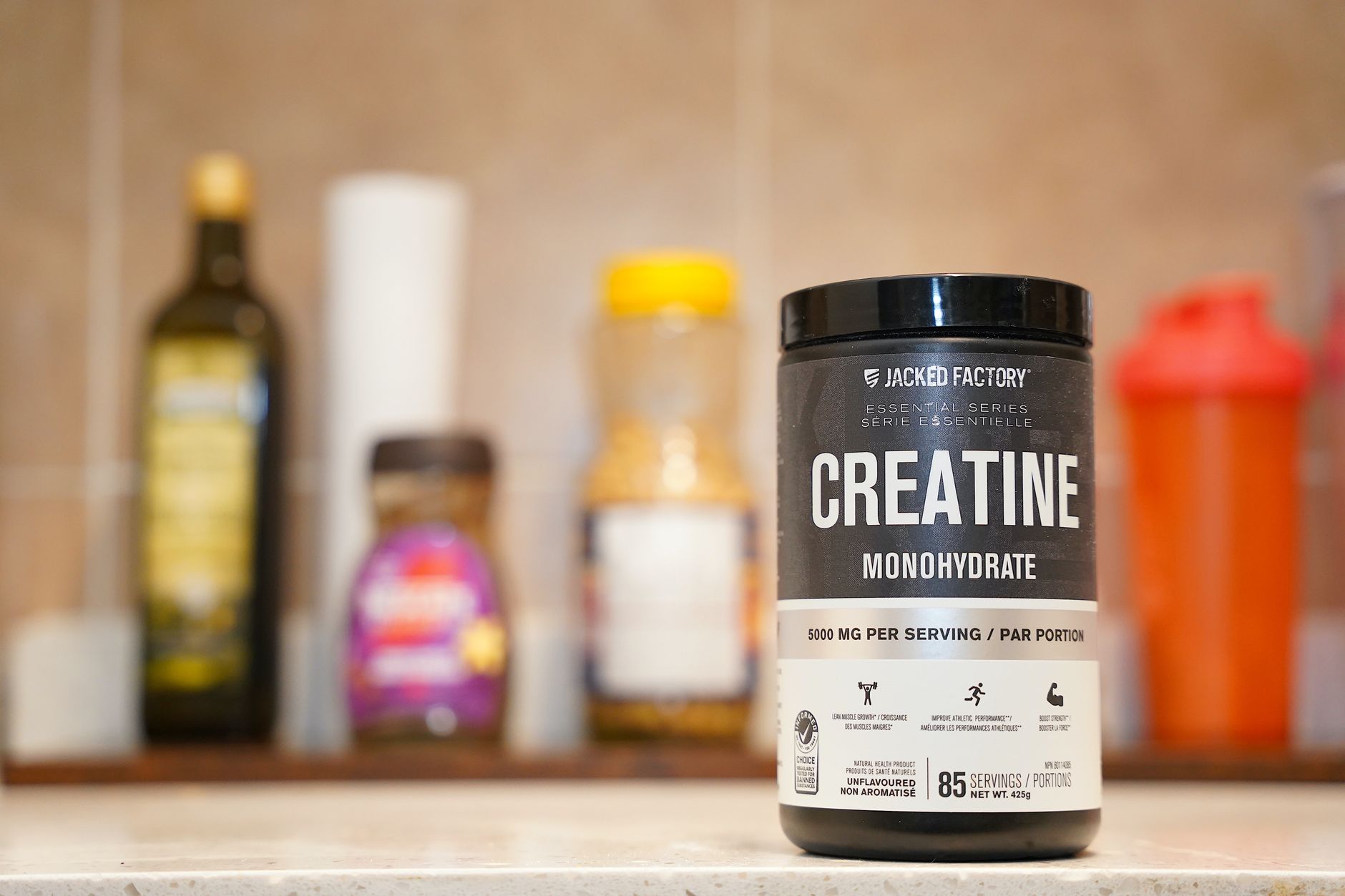
- Strategic supplementation: Compounds like creatine monohydrate and omega-3 fatty acids show cognitive benefits in meta-analyses
Stress and Recovery Optimization
Heart rate variability (HRV) serves as a measurable proxy for nervous system state. Biohackers use HRV data to optimize training intensity, recovery days, and stress management interventions. Evidence-supported techniques include sauna use, cold water immersion, and breathwork protocols derived from traditional practices and validated by modern physiology research.
Emerging Biohacking Technologies in 2026
Advanced biohacking now incorporates:
- Continuous glucose monitors (CGMs): Real-time glucose data reveals individual responses to specific foods
- Genetic testing: APOE genotype, methylation capacity, and nutrient metabolism genes inform personalized interventions
- Bioelectronic medicine: Emerging evidence for precision nerve stimulation to modulate inflammatory conditions
- Microbiome analysis: Detailed mapping identifies dysbiosis and guides targeted microbial interventions
Safety Considerations and Important Caveats
While biohacking offers tremendous potential, critical safeguards apply:
- Medical supervision: Before implementing significant interventions—particularly supplementation or dietary restriction—consult qualified healthcare providers
- Individual variability: Genetic and metabolic differences mean individual responses vary considerably. Anecdotal success doesn't predict personal outcomes
- Supplement quality: Third-party testing (USP, NSF, ConsumerLab) ensures product integrity and absence of contaminants
- Interaction risks: Supplements interact with medications. The Journal of Pharmaceutical and Biomedical Analysis (2025) documented numerous clinically significant interactions
- Placebo effects: Belief and attention influence outcomes. Proper blinding and measurement prevent overestimating intervention effects
Getting Started: A Practical Framework
Phase 1 - Establish Baseline: Obtain comprehensive blood work, establish baseline sleep metrics, measure resting heart rate and HRV, identify your limiting factor (energy, cognition, recovery, longevity).
Phase 2 - Prioritize Fundamentals: Before complex interventions, optimize sleep, exercise, stress management, and whole-food nutrition. These provide 80% of potential benefits.
Phase 3 - Test Single Variables: Implement one intervention at a time for 4-8 weeks, measuring specific outcomes. This identifies what actually works for your unique biology.
Phase 4 - Stack and Optimize: Once effective interventions are identified, integrate them strategically and refine based on ongoing data collection.
The Future of Biohacking
By 2026, biohacking has transitioned from fringe experimentation to evidence-based practice. Increased clinical research validates core concepts while technological advances make sophisticated self-optimization accessible to health-conscious adults. However, the field remains dynamic—new evidence continuously refines our understanding of optimal human performance.
Successful biohacking balances scientific rigor with practical implementation, recognizes individual biological uniqueness, and maintains focus on sustainable health practices rather than chasing marginal gains.
Medical Disclaimer: This article provides educational information only and is not medical advice. Biohacking interventions can have significant health implications and may interact with medications or existing conditions. Before implementing any biohacking protocol—particularly supplementation, dietary changes, or novel interventions—consult with qualified healthcare providers. Individual results vary considerably. The information presented reflects evidence available in 2026 but does not constitute professional medical guidance. Always prioritize safety and medical supervision when making substantial changes to health practices.