
Understanding Biohacking: Definition and Core Principles
Biohacking refers to the practice of making deliberate, incremental changes to your body's biology and physiology to achieve optimal performance and well-being. The term combines "biology" and "hacking"—using the latter in its original sense of solving problems creatively. Rather than waiting for health issues to develop, biohackers take a proactive approach to self-optimization through data-driven experimentation.
At its core, biohacking is grounded in the premise that your body is a biological system that responds to specific inputs. By understanding these inputs—nutrition, sleep, exercise, stress management, and environmental factors—you can engineer better outputs: improved energy, mental clarity, physical performance, and longevity.
Core Biohacking Principles Explained
The Feedback Loop Model
Effective biohacking relies on the feedback loop: measure, modify, observe, and refine. This scientific methodology separates biohacking from generic wellness advice. Instead of following generic prescriptions, you establish baseline metrics, implement changes, and track results. Technologies like wearable devices, blood tests, and performance trackers make this systematic approach accessible to everyone.
Bio-Individuality Recognition
One fundamental principle is understanding that biochemistry varies significantly between individuals. A dietary approach that optimizes one person's energy may not work identically for another due to genetic variations, gut microbiome composition, and metabolic differences. As of 2026, personalized medicine and nutrigenomics increasingly confirm what biohackers have long practiced: customized optimization based on individual biology.
Evidence-Based Biohacking Strategies
Sleep Optimization
Sleep represents perhaps the most impactful biohacking lever. Research published in Nature Neuroscience (2024) demonstrates that sleep quality directly affects cognitive performance, immune function, and metabolic health. Practical biohacking approaches include:
- Maintaining consistent sleep schedules aligned with circadian rhythms
- Optimizing bedroom temperature (65-68°F or 18-20°C)
- Reducing blue light exposure 2-3 hours before sleep
- Tracking sleep stages using wearable technology to identify patterns
- Strategic napping (20-minute power naps) to enhance afternoon performance
Nutritional Biohacking
Nutritional strategies form the foundation of most biohacking protocols. Key approaches include:
Intermittent Fasting: Controlled studies show intermittent fasting may enhance autophagy and metabolic flexibility. A 2025 meta-analysis in Cell Metabolism found moderate intermittent fasting protocols safe for most populations when properly implemented.
Macronutrient Optimization: Rather than following one-size-fits-all recommendations, biohackers use continuous glucose monitors (CGMs) and metabolic testing to determine ideal carbohydrate, protein, and fat ratios for their specific metabolism.
Micronutrient Status: Comprehensive micronutrient panels identify deficiencies affecting performance. Common optimization targets include vitamin D, B vitamins, magnesium, and omega-3 fatty acids—each with substantial research supporting their role in cognitive and physical function.
Cognitive Enhancement
Nootropic protocols represent a significant biohacking domain. Evidence-supported approaches include:
- Caffeine + L-theanine combinations (backed by numerous studies on attention and smooth energy)
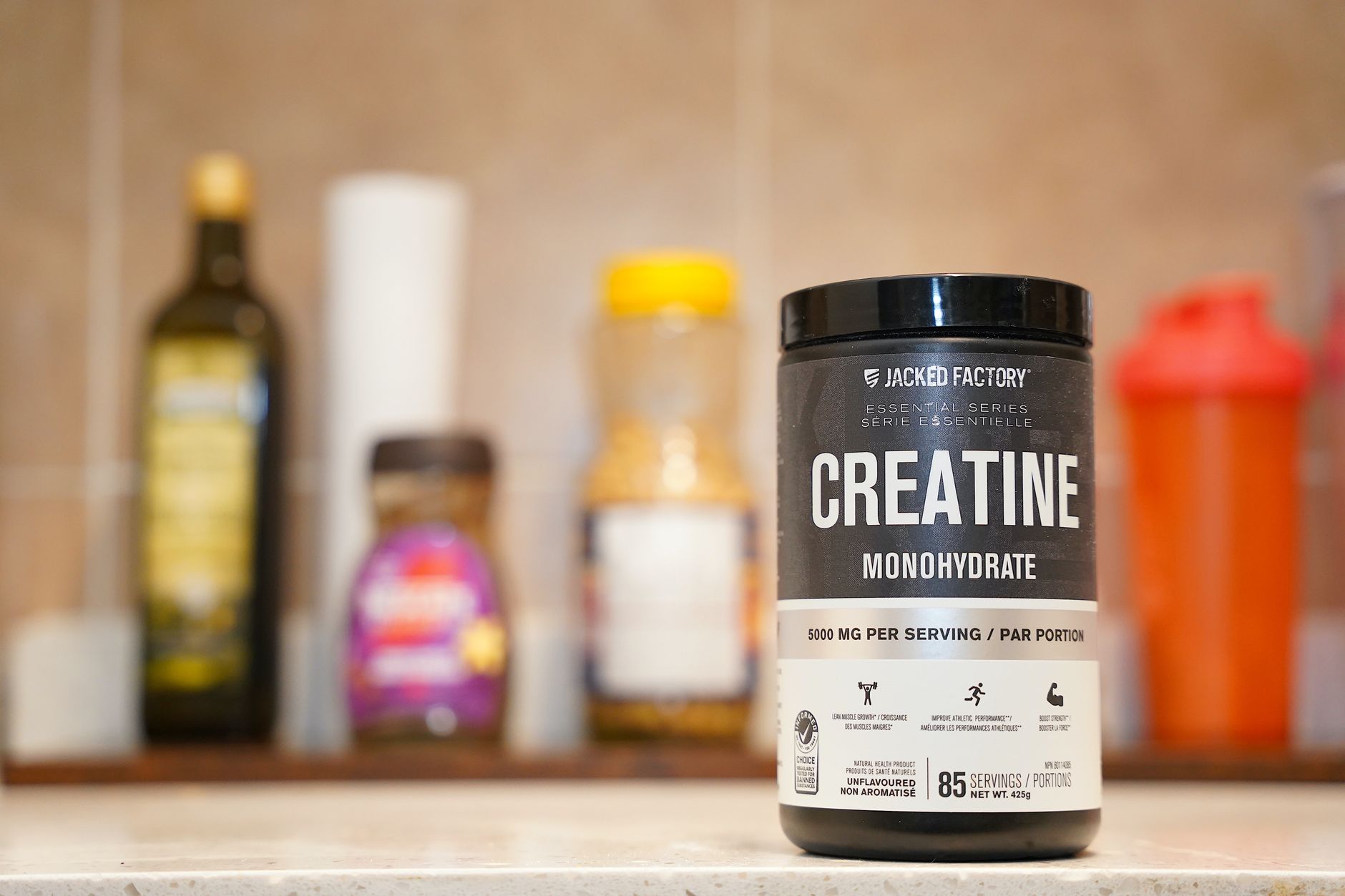
- Creatine supplementation for cognitive performance (particularly in vegetarians; NIH-funded research, 2024)
- Bacopa monnieri and other adaptogens with documented effects on memory and stress resilience
- Strategic cold exposure for norepinephrine elevation and focus enhancement
Physical Performance Optimization
Biohacking athletic performance involves systematic manipulation of training variables, recovery, and supplementation. Key evidence-backed strategies include:
- Periodized training protocols tailored to individual recovery capacity
- Heat stress exposure for enhanced heat shock proteins and cardiovascular adaptation
- Targeted amino acid timing relative to training sessions
- Sauna use (2-3 times weekly) associated with cardiovascular benefits in multiple studies
Technology and Biohacking in 2026
The biohacking landscape in 2026 increasingly relies on sophisticated monitoring technology. Continuous glucose monitors, wearable ECG devices, sleep trackers with EEG analysis, and biomarker testing have become more accessible and affordable. This data democratization enables individuals to move beyond subjective feelings toward objective optimization.
Artificial intelligence now analyzes individual biomarker patterns, identifying optimization opportunities that would be impossible to detect manually. Genetic testing combined with machine learning provides increasingly personalized nutrition and training recommendations.
Common Biohacking Protocols and Stacks
Morning Optimization Protocol
- Cold exposure (cold shower or ice bath, 2-3 minutes)
- Light exposure to support circadian rhythms
- Hydration with electrolytes and minerals
- Movement or exercise within 30 minutes of waking
Cognitive Enhancement Stack
- Caffeine (100-200mg) with L-theanine (100-200mg)
- Creatine monohydrate (5g daily for cognitive support)
- Omega-3 supplementation (1-2g EPA/DHA daily)
- Adequate magnesium intake or supplementation (400-500mg)
Safety Considerations and Important Disclaimers
While biohacking offers substantial potential for optimization, important safety principles apply:
Medical Oversight: Before beginning any biohacking protocol, consult with qualified healthcare providers, particularly if you have existing health conditions or take medications. Some supplements interact with pharmaceuticals in clinically significant ways.
Gradual Implementation: Avoid implementing multiple changes simultaneously, which prevents accurate identification of what produces specific effects. Change one variable at a time, maintaining each for 2-4 weeks before assessment.
Testing Before and After: Objective measurements (blood work, performance tests, cognitive assessments) provide more reliable feedback than subjective feelings. Placebo effects are substantial in biohacking.
Individual Variation: Protocols producing excellent results for one individual may be ineffective or counterproductive for another. Bio-individuality is real and should inform your approach.
Quality Assurance: If using supplements, select products verified by third-party testing (USP, NSF Certified for Sport, or ConsumerLab certification). Manufacturing standards vary dramatically.
The Future of Biohacking
As of 2026, biohacking is increasingly mainstream, with sophisticated tools bringing experimental self-optimization within reach of health-conscious individuals. The convergence of genomics, artificial intelligence, and wearable technology suggests even more personalized approaches ahead.
However, the fundamental principles remain unchanged: systematic measurement, controlled experimentation, rigorous documentation, and evidence-based decision-making. Successful biohacking isn't about following the latest trends but rather understanding your individual biology and optimizing accordingly.
Conclusion
Biohacking represents a scientifically-grounded approach to self-optimization that moves beyond generic wellness advice. By understanding your body's biological systems and systematically experimenting with nutrition, sleep, movement, and stress management, you can achieve meaningful improvements in energy, cognitive function, physical performance, and overall health. Start with foundational strategies like sleep optimization and nutrition, track your results objectively, and gradually build increasingly sophisticated protocols. Remember that successful biohacking requires patience, consistency, and a willingness to experiment—because ultimately, the best protocol is the one that aligns with your unique biology and goals.