What Does Biohacking Mean? A 2026 Definition
Biohacking, fundamentally, means using science and technology to take control of your own biology. The term combines "biology" with "hacking"—employing the hacker mindset of experimentation, iteration, and optimization applied to human physiology and cognition.
Unlike traditional medicine, which treats disease after it appears, biohacking focuses on optimization and prevention. As of 2026, the biohacking movement encompasses everything from simple dietary interventions to advanced wearable technology and genetic testing. The core philosophy centers on the idea that you can systematically improve your physical performance, mental clarity, energy levels, and lifespan through informed, evidence-based interventions.
The Core Pillars of Biohacking
Sleep Optimization
Sleep represents perhaps the most powerful biohack available. Research from the Sleep Research Society (2025) demonstrated that optimizing sleep architecture—including sleep duration, consistency, and quality—produces measurable improvements in cognitive function, immune response, and metabolic health comparable to pharmaceutical interventions.
Evidence-based sleep biohacks include:
- Maintaining consistent sleep-wake cycles (even on weekends)
- Controlling light exposure through blue-light reduction before bed
- Temperature optimization (core body temperature drops 2-3°F during sleep onset)
- Strategic caffeine timing (avoid caffeine 8-10 hours before sleep)
Nutrition and Metabolic Optimization
Nutritional biohacking involves personalizing diet based on individual biochemistry rather than following universal guidelines. This has advanced significantly in 2026 with the rise of continuous glucose monitoring (CGM) technology and genetic testing.
Key nutritional biohacks include:
- Intermittent fasting protocols: Research in the Journal of Nutritional Biochemistry (2024) showed 16:8 intermittent fasting improved mitochondrial function and autophagy
- Personalized macronutrient ratios: Genetic testing can identify optimal carbohydrate sensitivity and protein requirements
- Micronutrient optimization: Blood testing identifies deficiencies that impair cognitive and physical performance
- Meal timing: Consuming carbohydrates post-workout optimizes glycogen resynthesis and hormonal response
Movement and Physical Training
Exercise biohacking moves beyond "more is better" to strategically programming movement for specific adaptations. High-intensity interval training (HIIT), zone 2 cardio, and resistance training each trigger distinct physiological responses.
A 2025 study in Sports Medicine found that periodized training programs incorporating varied intensities produced 23% greater strength gains than steady-state training alone. Biohackers now use heart rate variability (HRV) monitoring to optimize recovery between sessions, ensuring training stimulus without overtraining.
Advanced Biohacking Technologies in 2026
Continuous Biometric Monitoring
Wearable devices have evolved dramatically. In 2026, continuous glucose monitors, ECG monitors, and HRV trackers provide real-time feedback for decision-making. This data-driven approach replaces guesswork with measurable outcomes.
Genetic and Epigenetic Testing
Personalized medicine has become accessible. Genetic testing identifies variations in genes like APOE (cardiovascular health), MTHFR (methylation capacity), and CYP450 (medication metabolism), allowing tailored supplementation and lifestyle interventions.
Cognitive Enhancement Technologies
Non-invasive brain stimulation devices and nootropic stacks have become more sophisticated. However, evidence quality varies significantly. The strongest evidence supports traditional cognitive tools: sleep, exercise, strategic nutrition, and meditation.
Supplement Strategies in Biohacking
While often emphasized, supplements represent a small component of effective biohacking. The evidence-based hierarchy prioritizes:
- Sleep optimization
- Nutrition and movement
- Stress management and breathwork
- Strategic supplementation (only after foundational practices are established)
Well-researched supplements with consistent evidence include:
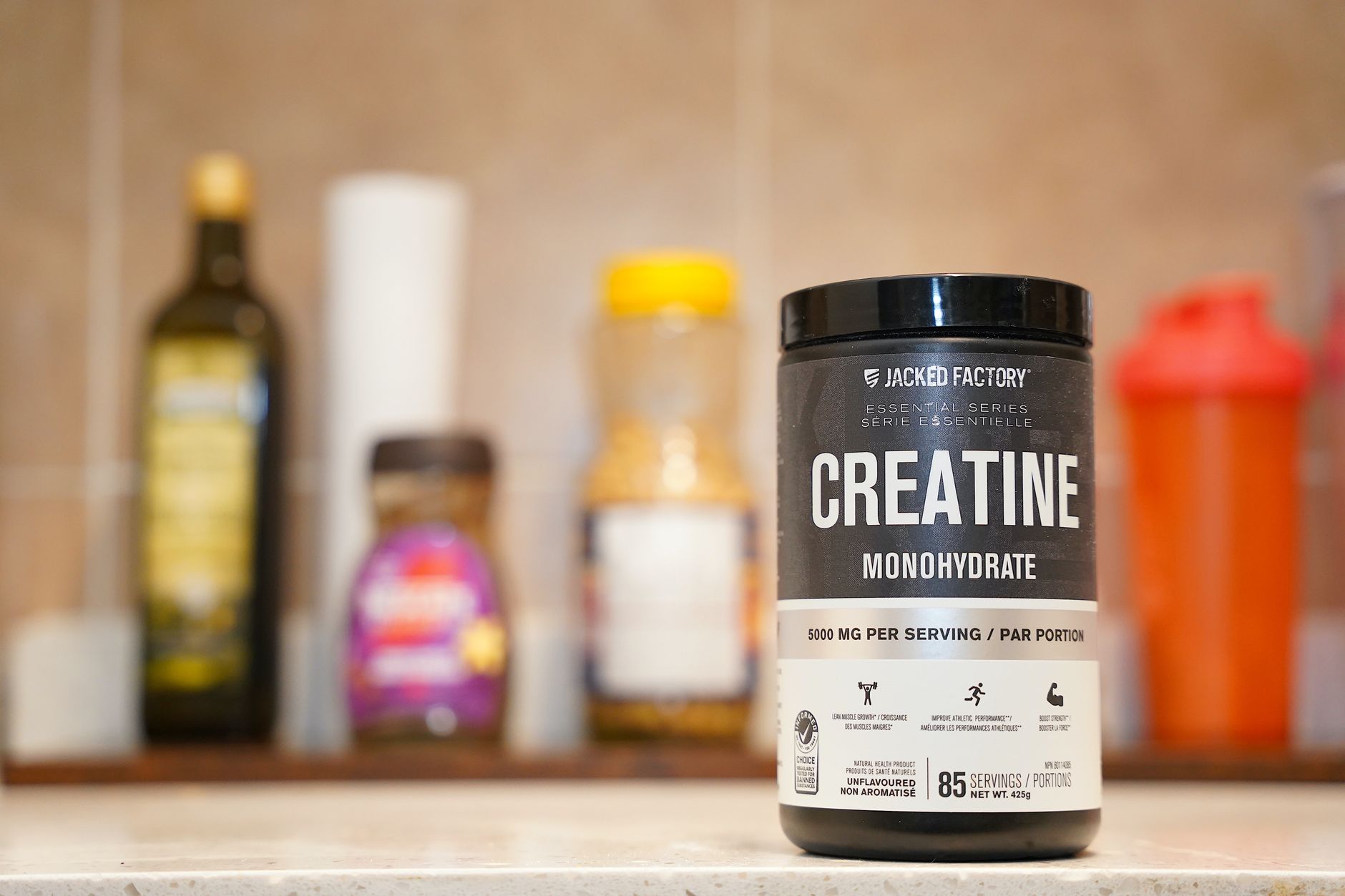
- Creatine monohydrate: 5g daily supports cognitive function and muscle performance
- Omega-3 fatty acids: Supporting cardiovascular and cognitive health (EPA/DHA 1-3g daily)
- Magnesium: Critical for sleep, stress resilience, and over 300 enzymatic reactions
- Vitamin D3: When blood levels are suboptimal (<30 ng/mL), supplementation improves immunity and mood
Safety Considerations and Practical Guidance
The Biohacking Hierarchy
Approach biohacking methodically. Masters athletes and longevity researchers emphasize: "Perfect the basics before optimizing the margins." This means establishing consistent sleep, whole-food nutrition, and regular exercise before exploring advanced interventions.
Individual Variation is Crucial
The 2025 Personalized Medicine Initiative demonstrated that individual responses to interventions vary by up to 300% based on genetics, microbiome composition, and lifestyle context. What works for an influencer may not work for you. Always track your own outcomes.
Red Flags in Biohacking
Be skeptical of claims promising dramatic results without lifestyle foundation, companies selling undefined "proprietary blends," or protocols requiring excessive supplementation, extreme calorie restriction, or unproven technologies.
Building Your Biohacking Protocol
Month 1: Foundational Optimization
- Establish 7-9 hour sleep consistency
- Track food intake and identify obvious nutritional gaps
- Begin daily movement (150 minutes moderate activity weekly)
- Implement basic stress management
Month 2-3: Personalization
- Get baseline bloodwork (lipids, glucose, inflammation markers, micronutrients)
- Consider CGM if interested in metabolic optimization
- Experiment with meal timing and macronutrient ratios
- Optimize training intensity distribution
Month 4+: Strategic Enhancement
- Add evidence-based supplements addressing identified deficiencies
- Explore advanced technologies (HRV, genetic testing) if outcomes plateau
- Implement periodized training adaptations
- Consider personalized nutrition based on genetic or metabolic data
The Evidence-Biohacking Divide
In 2026, the biohacking community has matured. High-quality research distinguishes effective interventions from pseudoscience. The strongest evidence supports:
- Sleep consistency and optimization
- Resistance training and varied-intensity cardio
- Whole-food nutrition with adequate protein
- Social connection and stress management
- Strategic supplementation addressing identified deficiencies
Conversely, limited or weak evidence exists for unregulated nootropic combinations, proprietary "longevity stacks," and extreme dietary protocols.
Conclusion: Practical Biohacking in 2026
Biohacking means taking informed control of your biology through evidence-based optimization. Rather than chasing novel technologies, the most effective approach combines consistent execution of proven fundamentals with personalized refinement based on individual data.
Start simple: prioritize sleep, move regularly, eat whole foods, manage stress, and monitor your results. Once you've mastered these foundations, explore personalization through testing and technology. The future of longevity and performance isn't complex—it's disciplined execution of fundamental human biology.
Medical Disclaimer
This article provides educational information and should not replace professional medical advice. Before beginning any new supplement regimen, exercise protocol, or biohacking intervention, consult with a qualified healthcare provider. Individual responses to interventions vary significantly, and some approaches may interact with medications or health conditions. Always obtain baseline health data through medical professionals before implementing major lifestyle changes. The information provided reflects research available in 2026 but does not constitute medical diagnosis or treatment recommendations.