What Does Biohacking Mean?
Biohacking, at its core, refers to the practice of using science, technology, and lifestyle modifications to optimize your body's performance and health outcomes. The term combines 'biology' with 'hacking'—borrowing from computer culture where 'hacking' means finding creative, efficient solutions to problems. In the biological context, biohackers seek to 'hack' their own physiology to enhance cognitive function, physical performance, longevity, and overall well-being.
The biohacking movement gained significant momentum in the 2010s and has evolved considerably by 2026, with practitioners ranging from casual health enthusiasts to serious self-optimizers using advanced technology and rigorous data tracking. Rather than accepting default biological settings, biohackers experiment with interventions supported by scientific evidence to see how their individual bodies respond.
Core Principles of Modern Biohacking
Data-Driven Self-Experimentation
The foundation of effective biohacking is measurement. Successful biohackers in 2026 use wearable technology, biomarkers, and quantifiable metrics to track changes. This might include continuous glucose monitors, heart rate variability sensors, sleep tracking devices, and blood work analysis. By establishing baseline measurements before implementing changes, you can objectively assess what actually works for your unique physiology rather than relying on anecdotal evidence.
N=1 Experimentation
Biohacking recognizes that individual genetics, gut microbiomes, and metabolic profiles vary significantly. What works optimally for one person may not work for another. This 'N=1' approach—treating yourself as a single-subject experiment—is central to biohacking philosophy. You implement one change at a time, measure the results, and determine whether to continue, modify, or abandon the intervention based on your personal data.
Evidence-Based Decision Making
While biohacking encourages experimentation, responsible practitioners ground their experiments in peer-reviewed research. The field has matured significantly by 2026, with established protocols based on decades of nutritional science, exercise physiology, and neurobiology research.
Primary Categories of Biohacking Strategies
Nutritional Optimization
Nutritional biohacking involves strategic dietary modifications to enhance cognitive function, energy, and longevity. Common approaches include:
- Intermittent Fasting (IF): Research published in journals like *Cell Metabolism* demonstrates that time-restricted eating can improve insulin sensitivity and trigger autophagy—cellular cleanup processes associated with longevity.
- Ketogenic or Low-Carb Approaches: Some biohackers use these diets to optimize mental clarity and stable energy, though individual responses vary considerably.
- Micronutrient Optimization: Personalized supplementation based on blood work to correct deficiencies in vitamin D, B12, magnesium, and other critical nutrients.
- Protein Timing: Strategic protein consumption around workouts to optimize muscle protein synthesis.
Sleep Architecture Optimization
Sleep quality profoundly impacts every biological system. Modern biohackers optimize sleep through:
- Maintaining consistent sleep schedules to align with circadian rhythms
- Controlling light exposure (bright light in morning, blue light reduction at night)
- Temperature optimization (research shows 65-68°F is ideal for most people)
- Limiting caffeine after 2 PM and alcohol before bed
- Using sleep tracking technology to monitor REM and deep sleep percentages
Movement and Exercise Protocols
Rather than generic fitness routines, biohackers use evidence-based protocols optimized for specific outcomes:
- High-Intensity Interval Training (HIIT) for time-efficient cardiovascular adaptation
- Resistance training for muscle preservation and metabolic health
- Low-intensity steady-state activity for recovery and mitochondrial optimization
- Cold exposure (cold water immersion, cryotherapy) to trigger adaptive stress responses
Cognitive Enhancement
Biohackers employ multiple strategies to optimize brain function:
- Meditation and Mindfulness: Substantial neuroimaging research demonstrates that regular meditation increases gray matter density in the prefrontal cortex and improves attention.
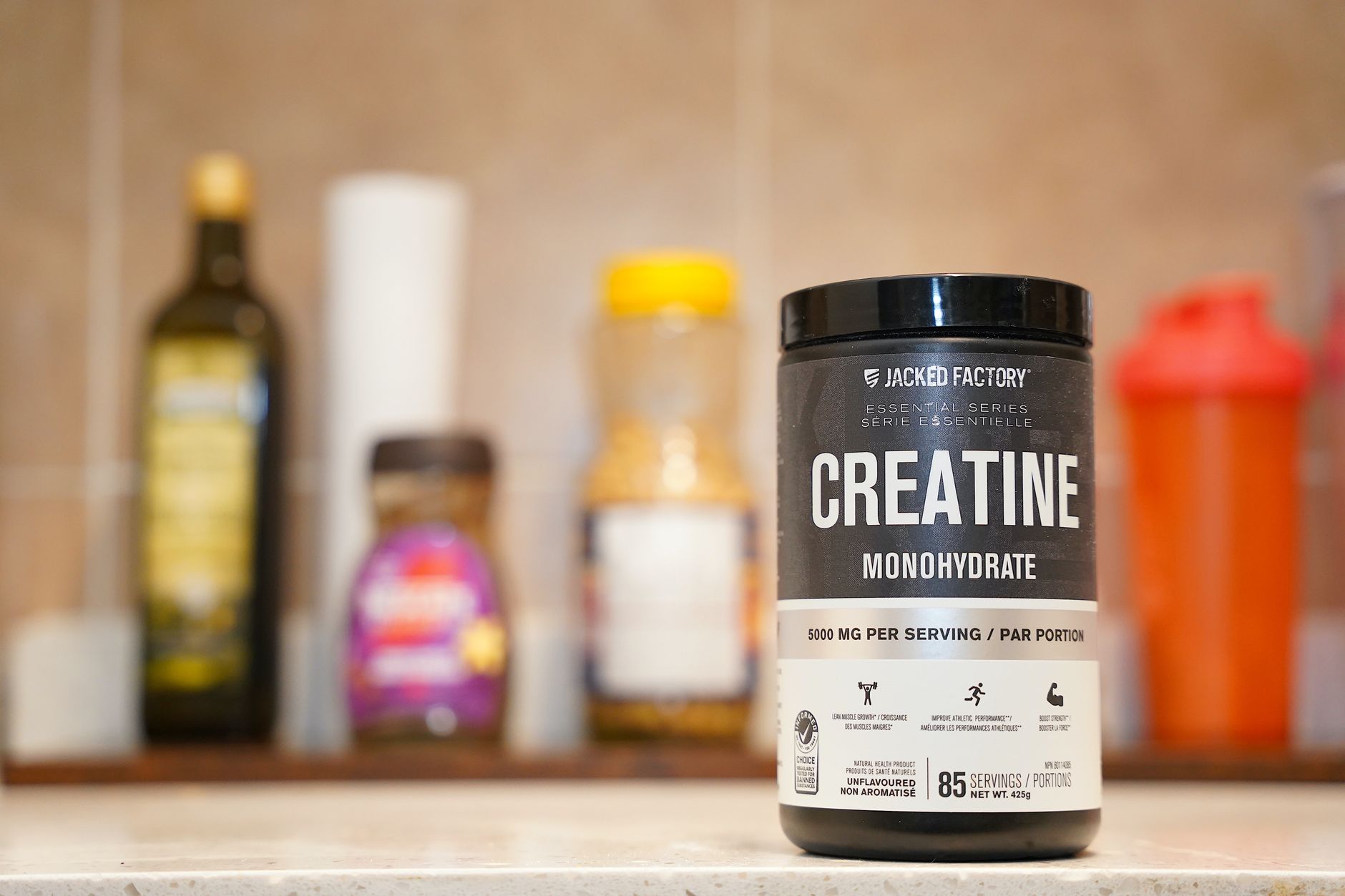
- Nootropic Supplementation: Evidence-backed compounds like creatine monohydrate, L-theanine, and caffeine combinations are used strategically to enhance focus and working memory.
- Neurofeedback Technologies: By 2026, advanced biofeedback devices can provide real-time data on brain wave patterns, allowing optimization of mental states.
Stress Management and Hormonal Optimization
Chronic stress elevates cortisol and impairs numerous biological functions. Biohackers manage this through heart rate variability (HRV) monitoring, which indicates nervous system balance. Technologies that measure HRV provide actionable data about when to push harder versus when to prioritize recovery.
Advanced Biohacking Technologies in 2026
The biohacking landscape in 2026 includes sophisticated monitoring tools:
- Continuous Glucose Monitors (CGMs): Originally developed for diabetics, health-conscious biohackers now use CGMs to understand how specific foods and meal timings affect their blood sugar, enabling personalized dietary optimization.
- Genetic Testing: Affordable whole-genome sequencing reveals genetic predispositions and informs personalized protocols for nutrient metabolism, exercise response, and disease risk.
- Microbiome Analysis: Stool testing identifies microbial composition and functional capacity, informing dietary and probiotic interventions.
- Advanced Wearables: Current-generation smartwatches and rings provide continuous monitoring of sleep, HRV, skin temperature, and activity patterns.
Safety Considerations and Responsible Biohacking
While biohacking can yield significant benefits, responsible practitioners follow important safety guidelines:
- Baseline Testing: Obtain comprehensive blood work before implementing major changes to establish baseline biomarkers.
- Single Variable Changes: Modify one variable at a time so you can isolate what caused observed effects.
- Adequate Duration: Allow sufficient time (typically 4-8 weeks) for adaptations before concluding whether an intervention works.
- Quality Supplementation: Third-party testing through organizations like NSF Certified for Sport or USP ensures supplement quality and purity.
- Professional Consultation: Discuss significant biohacking protocols with healthcare providers, especially if you have existing health conditions or take medications.
- Avoid Extreme Measures: Some fringe biohacking practices (unregulated peptide use, extreme caloric restriction, dangerous supplement combinations) carry significant health risks.
Common Biohacking Misconceptions
Several myths persist about biohacking. It's not about expensive cutting-edge technologies—many effective interventions (consistent sleep, exercise, whole foods) are fundamentally simple. Biohacking also isn't self-diagnosis; it complements rather than replaces medical care. Finally, biohacking requires patience; sustainable optimization develops over months and years, not weeks.
Practical Starting Points for Beginners
If interested in biohacking, begin with foundational interventions supported by decades of evidence:
- Establish consistent sleep schedules aligned with your natural chronotype
- Implement regular resistance training and walking
- Optimize protein intake (0.7-1.0g per pound of body weight)
- Obtain baseline blood work including lipid panel, glucose, vitamin D, and key minerals
- Track sleep, activity, and subjective well-being using simple methods or apps
- Experiment with one intervention at a time for 4-6 weeks
The Future of Biohacking
As of 2026, biohacking continues evolving with improved accessibility to genetic data, more sophisticated wearable sensors, and expanding research into longevity interventions. The field is increasingly integrating with mainstream medicine, with functional medicine practitioners adopting biohacking principles.
Responsible biohacking represents a paradigm shift toward personal agency in health optimization. Rather than passively accepting whatever state your body naturally achieves, biohacking empowers you to become an active experimenter with your own biology, making evidence-informed decisions to enhance performance and longevity.
Medical Disclaimer: This article is for educational purposes only and should not be considered medical advice. Biohacking interventions can have individual risks and benefits. Always consult with qualified healthcare professionals before implementing significant dietary changes, supplementation protocols, or intensive exercise programs, particularly if you have existing health conditions, take medications, or are pregnant or nursing. Individual results vary, and what works for one person may not work for another. The information presented reflects scientific literature current in 2026 but should be verified with your healthcare provider.