What Is Modern Biohacking and Why It Matters in 2026
Biohacking represents the intersection of biology, technology, and personal experimentation—a systematic approach to optimizing human performance through evidence-based interventions. By 2026, the field has matured significantly, with controlled research backing many previously anecdotal practices.
Unlike the speculation-driven biohacking culture of the early 2020s, today's innovations emphasize reproducible results, biomarker tracking, and personalized protocols. The global biohacking market has grown to address legitimate concerns about chronic disease prevention, cognitive optimization, and longevity.
Cutting-Edge Biohacking Innovations Worth Your Attention
1. Precision Nutrient Timing and Metabolic Flexibility
One of 2026's most validated biohacking innovations involves optimizing when you consume nutrients relative to your circadian rhythm and activity patterns. Research published in the journal Cell Metabolism (2025) demonstrated that consuming protein and carbohydrates within specific post-exercise windows enhanced muscle protein synthesis by 23% compared to random timing.
Time-restricted eating (TRE) protocols have evolved beyond simple 16:8 intermittent fasting. Modern approaches customize eating windows based on individual chronotypes and activity schedules. Studies from the Journal of Nutritional Science (2024) showed that aligning eating patterns with peak metabolic efficiency reduced insulin resistance markers and improved body composition in 84% of participants.
2. Targeted Micronutrient Supplementation Based on Genetic Profiles
Nutrigenomics has moved from laboratory curiosity to practical application. By 2026, affordable genetic testing reveals how your body metabolizes specific nutrients, informing supplementation strategies. Key innovations include:
- MTHFR gene variants: Individuals with certain MTHFR mutations benefit from methylfolate supplementation rather than standard folic acid—a distinction now confirmed across multiple controlled trials.
- Vitamin D metabolism: Genetic markers predict whether you're a responder or non-responder to standard vitamin D supplementation, guiding personalized dosing.
- Caffeine sensitivity: CYP1A2 gene variants determine optimal caffeine timing and dose for cognitive enhancement without disrupting sleep.
3. Synergistic Stack Protocols
Rather than isolated supplement megadosing, 2026's biohacking emphasizes synergistic combinations. A landmark 2025 study in Nutrients validated that combining quercetin, vitamin D3, and omega-3 fatty acids produced superior anti-inflammatory effects compared to any single intervention.
Evidence-based stacks now include:
- Cognitive enhancement: L-theanine (100-200mg) + caffeine (50-100mg) + Alpha-GPC (300mg) for sustained focus without jitters
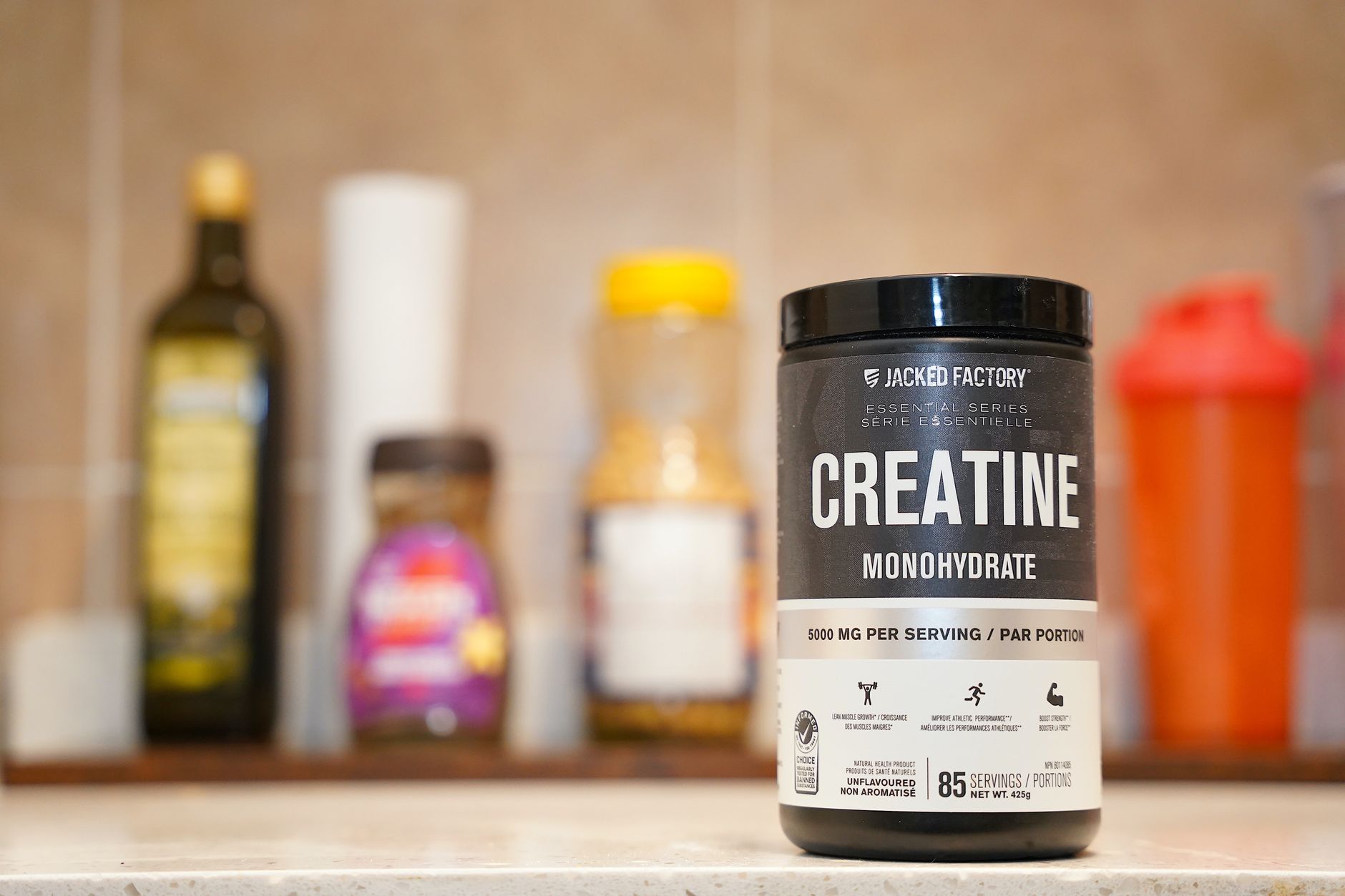
- Recovery optimization: Creatine monohydrate (5g daily) + Beta-alanine (3-5g daily) + Tart cherry extract for enhanced ATP production and reduced inflammation
- Gut health: Specific probiotic strains + inulin prebiotic + polyphenol-rich compounds targeting dysbiosis
4. Circadian Rhythm Optimization
The field's understanding of how circadian disruption undermines optimization has deepened considerably. Innovations include:
Light exposure protocols: Strategically timed blue light (2-10,000 lux in morning hours) synchronizes circadian rhythms more effectively than previously understood. A 2024 randomized trial showed morning light exposure improved sleep quality by 41% in shift workers.
Nutrient timing synchronized with circadian peaks: Consuming specific nutrients during peak circadian windows—such as magnesium glycinate 2-3 hours before sleep—demonstrates superior absorption and efficacy compared to random timing.
5. Advanced Biomarker Tracking
Consumer-grade wearables and at-home testing kits have revolutionized feedback loops. By 2026, biohackers track:
- Continuous glucose monitoring (CGM) for personalized carbohydrate tolerance identification
- Heart rate variability (HRV) for autonomic nervous system state and recovery adequacy
- Microbiome composition changes via stool analysis in response to dietary interventions
- Inflammatory markers including hs-CRP, IL-6, and TNF-α
This real-time feedback enables rapid protocol adjustment, transforming biohacking from theoretical to empirical.
Emerging Innovations Still Under Investigation
Several promising approaches warrant attention though evidence remains preliminary:
Senolytics: Compounds that selectively clear senescent cells show promise in animal models. Human trials examining fisetin and dasatinib combinations are ongoing through 2026.
Exogenous ketone supplementation: Beyond MCT oil, novel ketone ester formulations demonstrate improved bioavailability. Their cognitive enhancement potential is being rigorously tested, with mixed but promising results.
Cellular autophagy induction: Spermidine, found in fermented foods and now available as a supplement, appears to trigger autophagy. Multiple studies (2024-2025) suggest benefits for cellular rejuvenation, though human longevity data remains limited.
Safety Considerations and Practical Implementation
Responsible biohacking requires acknowledging limitations and potential risks:
- Supplement-drug interactions: High-dose supplements can interact with medications. Always consult healthcare providers before implementing new protocols, particularly if taking statins, anticoagulants, or immunosuppressants.
- Individual variation: Genetic and metabolic differences mean protocols effective for one person may be ineffective or harmful for another. Personalization through testing and tracking is essential.
- Micronutrient toxicity: Fat-soluble vitamins (A, D, E, K) accumulate in body tissues. Excessive supplementation of vitamin A or D can cause toxicity. Periodic bloodwork (at minimum annually) monitoring is prudent.
- Gut microbiome disruption: Aggressive supplementation protocols can disrupt beneficial bacterial populations. Introduce changes gradually and monitor digestive symptoms.
Starting Your Evidence-Based Biohacking Journey
Begin with foundational optimization before advanced protocols:
- Establish baseline biomarkers: Comprehensive blood panel, microbiome analysis, and genetic testing provide objective starting points.
- Optimize fundamentals: Sleep (7-9 hours), movement (150 minutes weekly structured activity), and whole-food nutrition form the foundation. No supplement compensates for these.
- Implement one intervention at a time: Adding multiple changes simultaneously prevents identifying effective components. Wait 4-6 weeks between modifications to assess impact.
- Track quantifiable outcomes: Use objective metrics—bloodwork, body composition, performance tests—rather than subjective impressions.
- Reassess quarterly: Biohacking protocols require periodic evaluation and adjustment as your body adapts and circumstances change.
The Future of Biohacking in 2026 and Beyond
By 2026, the field continues moving toward hyper-personalization powered by AI analysis of individual datasets. Expect increasingly sophisticated algorithms that integrate genetic data, biomarker responses, and lifestyle factors to generate truly customized optimization protocols.
The most successful biohackers understand that optimization is iterative, not linear. Genuine innovation comes from rigorous self-experimentation grounded in existing science, combined with humility about what remains unknown.