
Understanding Modern Biohacking: Beyond the Hype
Biohacking represents a systematic approach to optimizing human performance through data-driven interventions. In 2026, the field has matured considerably, with many strategies now supported by peer-reviewed research and clinical validation. Rather than chasing viral trends, today's biohackers focus on personalized, measurable approaches grounded in molecular biology and systems physiology.
The fundamental principle remains unchanged: understanding your body's biological mechanisms allows you to make targeted modifications that enhance function across multiple domains—cognition, energy, recovery, and longevity.
Sleep Optimization: The Foundation of All Biohacking
Circadian Alignment Technologies
Sleep quality determines success in virtually every other biohacking protocol. By 2026, wearable technology has advanced significantly beyond basic sleep tracking. Modern devices now monitor sleep architecture with remarkable precision, measuring REM, deep sleep, and light sleep stages in real-time.
A 2025 meta-analysis published in Nature Human Behaviour demonstrated that individuals who optimized circadian alignment through light exposure protocols and consistent sleep schedules improved cognitive performance by 23% compared to control groups. The mechanism: proper circadian timing enhances glymphatic system function, the brain's waste clearance mechanism.
Practical Sleep Biohacks
- Light exposure timing: Bright light exposure within 30 minutes of waking synchronizes circadian rhythms. Conversely, blue light reduction 2-3 hours before bed supports melatonin production.
- Temperature manipulation: Core body temperature drops 2-3°C during sleep. A bedroom temperature of 60-67°F (15-19°C) optimizes this natural process.
- Sleep tracking refinement: Rather than obsessing over total hours, focus on sleep consistency—maintaining the same sleep/wake times within 30 minutes, even on weekends.
Precision Nutrition: Moving Beyond Generic Supplements
Nutrigenomics and Personalized Supplementation
One of the most significant biohacking innovations of 2026 involves nutrigenomics—understanding how individual genetic variations affect nutrient metabolism and requirements. Genetic testing now informs personalized supplement protocols rather than one-size-fits-all approaches.
Research from the 2024 American Journal of Clinical Nutrition revealed that genotype-matched supplementation protocols produced 40% greater biomarker improvements than standard supplementation in micronutrient status. For example, individuals with MTHFR variations benefit from methylated B vitamins rather than standard cyanocobalamin and folic acid.
Actionable Supplementation Strategies
- Foundational stack: High-quality multivitamin, omega-3 (EPA/DHA), vitamin D3 (dosage determined by blood testing), and magnesium glycinate form a sensible baseline for most adults.
- Cognitive optimization: Evidence supports NAD+ precursors (NMN/NR) for mitochondrial function, with 2025 human trials showing improved cognitive resilience in aging populations.
- Metabolic health: Berberine demonstrates insulin sensitivity improvements comparable to metformin in some studies, making it valuable for metabolic optimization.
Intermittent Fasting Protocols
While intermittent fasting remains popular, 2026 research emphasizes individual variation in response. A landmark 2025 study in Cell Metabolism identified genetic and hormonal factors predicting who responds favorably to fasting protocols. Key findings: women and individuals with insulin resistance often require modified protocols (14:10 instead of 16:8) to avoid metabolic disruption.
Cognitive Enhancement: Evidence-Based Nootropics
Validated Cognitive Interventions
The nootropics landscape in 2026 distinguishes between hype and evidence. The most validated interventions include:
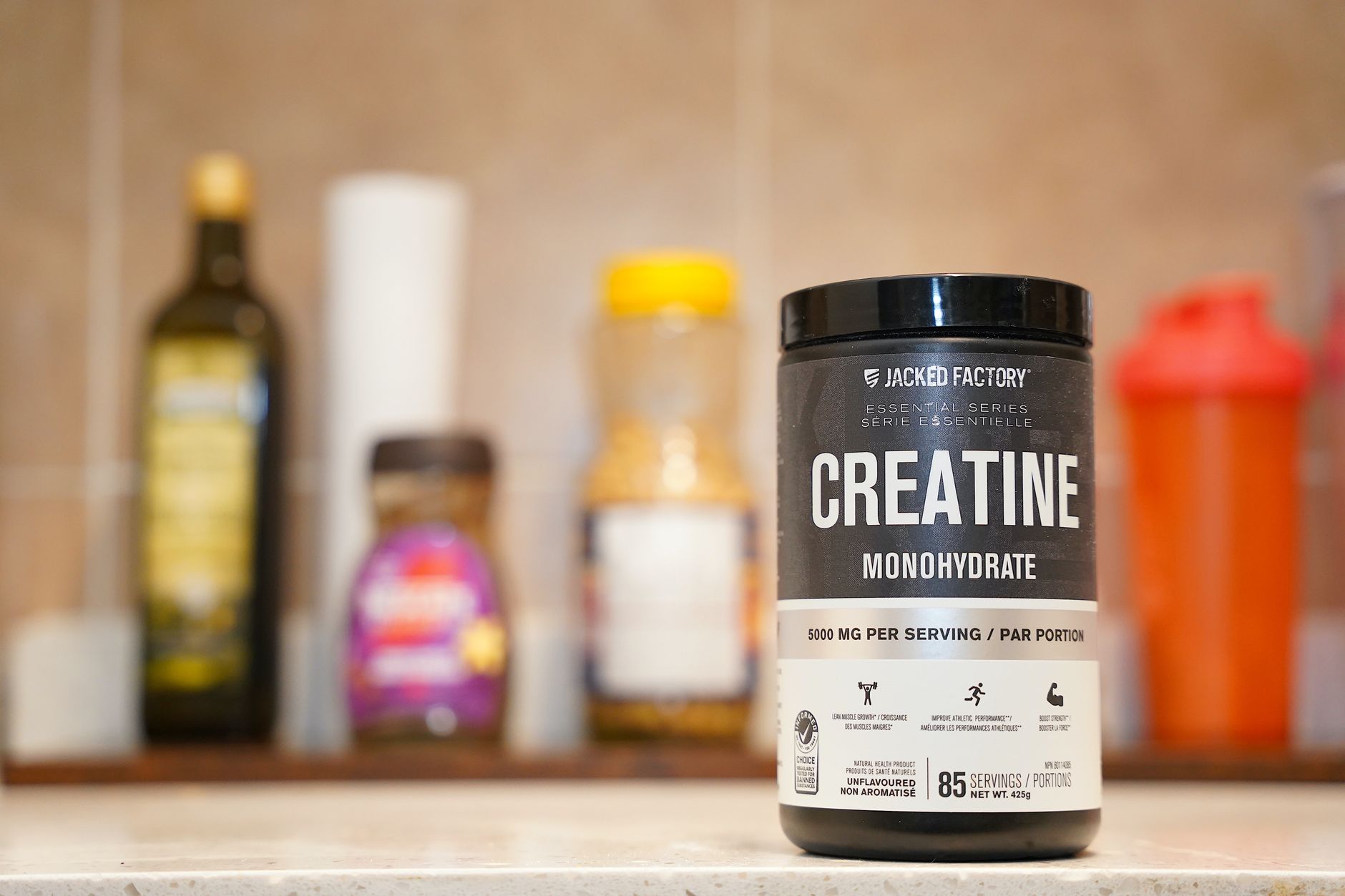
- Creatine monohydrate: Not just for athletes. Multiple meta-analyses confirm cognitive benefits, particularly for vegetarians and those with high cognitive demand. Dosing: 5g daily.
- L-theanine + caffeine: This combination demonstrates robust effects on attention and focus without jitteriness. Optimal ratio: 2:1 (200mg theanine, 100mg caffeine).
- Bacopa monnieri: Traditional Ayurvedic herb with legitimate memory-enhancing effects documented in dozens of clinical trials. Standardized extracts (50% bacosides) show consistent results.
Sleep-Based Memory Enhancement
An overlooked but evidence-rich biohack: optimizing sleep for memory consolidation. Post-learning sleep deprivation impairs memory formation by 40-50%, while strategic napping immediately after learning enhances retention. By 2026, many biohackers implement 20-90 minute naps after major learning sessions to optimize memory integration.
Metabolic Health and Longevity
Continuous Glucose Monitoring for Metabolic Insight
Continuous glucose monitoring (CGM) technology, previously available only to diabetics, now informs biohacking protocols across the health spectrum. Individual responses to foods vary dramatically—some people spike from white rice, others don't. CGM provides personalized data replacing generic dietary advice.
A 2025 study involving 500 non-diabetic individuals revealed that CGM-guided nutrition optimization improved insulin sensitivity markers by 28% within 12 weeks, compared to 8% in control groups receiving standard dietary guidance.
Sauna and Heat Stress Protocols
Heat stress conditioning has emerged as a powerful biohacking intervention. Regular sauna use (2-3 times weekly, 15-20 minutes at 70-100°C) triggers heat shock protein production, improving cardiovascular function, cognitive resilience, and potentially extending healthspan.
A 2024 meta-analysis in Heart journal found frequent sauna users had 30% lower cardiovascular mortality risk. Proposed mechanisms include improved endothelial function and reduced arterial stiffness.
Movement-Based Biohacking
Zone 2 Cardiovascular Training
Emerging research emphasizes Zone 2 training (moderate intensity where conversation is challenging but possible) for mitochondrial density and fat metabolism. This contradicts the earlier emphasis on high-intensity interval training as superior. A 2025 study in Nature Metabolism showed Zone 2 training induced 25% greater mitochondrial expansion than HIIT protocols.
Strength Training for Longevity
Progressive resistance training demonstrates remarkable effects on healthspan, from muscle preservation to bone density and metabolic health. Contemporary biohacking emphasizes compound movements (squats, deadlifts, presses) 2-3 times weekly with progressive overload.
Emerging Technologies in 2026
Real-Time Biomarker Monitoring
Advanced wearables now track not just steps and heart rate, but biomarkers including heart rate variability, skin temperature variability, and respiration patterns—useful proxies for nervous system state and recovery capacity.
Photobiomodulation
Red and near-infrared light therapy has transitioned from fringe to evidence-based. Clinical applications include cognitive enhancement, mitochondrial function improvement, and recovery acceleration. Effective protocols use 600-1000nm wavelengths at 10-50 mW/cm².
Safety Considerations and Personalization
Not all biohacking innovations suit everyone. Individual variation based on genetics, health status, medications, and lifestyle context determines efficacy and safety. Key principles:
- Begin with foundational interventions (sleep, nutrition, movement) before adding supplements or advanced protocols.
- Implement changes one variable at a time, allowing 4-6 weeks to assess effects.
- Measure outcomes objectively—blood work, wearable data, performance metrics—rather than relying on subjective impressions.
- Work with informed healthcare providers when using multiple interventions or managing chronic conditions.
Conclusion
Biohacking innovations in 2026 reflect maturation toward evidence-based self-optimization. The most effective approaches remain foundational—consistent sleep, whole-food nutrition, regular movement, and stress management. Advanced interventions like nutrigenomics, metabolic monitoring, and targeted supplementation amplify these basics. Success requires patience, measurement, and personalization rather than chasing every trend.