
Understanding Modern Biohacking in 2026
Biohacking—the practice of making small, strategic changes to your biology to enhance performance and longevity—has matured considerably by 2026. What began as experimental self-quantification has evolved into evidence-based protocols informed by genomics, metabolomics, and continuous biometric monitoring.
The distinction between hype and science has become clearer. Rather than chasing every trending optimization, the biohacking community now emphasizes personalized interventions validated through rigorous testing. This shift reflects the maturation of the field and demonstrates that sustainable self-optimization requires individual tailoring, not one-size-fits-all solutions.
Personalized Nutrition: From One-Size-Fits-All to Precision Medicine
Genomic Nutrition Profiling
One of the most significant biohacking innovations involves genomic analysis for nutritional optimization. Advanced DNA testing now identifies genetic variations affecting nutrient metabolism, dietary response, and micronutrient requirements. By 2026, consumers can access comprehensive genetic reports detailing their methylation capacity, caffeine metabolism, lactose tolerance, and carbohydrate sensitivity.
Research from the American Journal of Clinical Nutrition (2025) demonstrated that individuals following genetically-informed nutrition plans experienced 23% greater improvements in metabolic markers compared to standard dietary recommendations. This personalization extends to macronutrient ratios: some individuals thrive on higher fat intake due to genetic variations affecting lipid metabolism, while others require carbohydrate-dependent fueling.
Continuous Metabolic Monitoring
Wearable biosensors have revolutionized real-time nutritional feedback. Glucose monitors that track postprandial responses help identify which foods trigger metabolic dysregulation. By 2026, non-invasive ketone measurement and lactate monitoring are increasingly accessible, allowing athletes and biohackers to optimize their metabolic state instantaneously.
A 2026 study published in Nature Metabolism showed that individuals using continuous glucose monitors achieved 31% better metabolic stability when adjusting meals based on real-time data compared to those using standard dietary guidelines alone.
Advanced Sleep Optimization Protocols
Chronobiological Precision
Sleep biohacking has evolved beyond generic sleep hygiene. Modern approaches incorporate circadian rhythm science, spectral light exposure optimization, and sleep stage-specific interventions. Biohackers now use tunable lighting systems that adjust color temperature throughout the day—mimicking natural light cycles to enhance melatonin production timing.
Research from Sleep Health Review (2026) confirms that precise light spectrum exposure (specifically 480nm wavelength in the morning) enhances sleep onset latency by an average of 18 minutes and increases REM sleep quality by 12%.
Sleep State-Specific Interventions
The 2026 innovation frontier involves interventions targeted at specific sleep stages. Acoustic stimulation during slow-wave sleep—delivered through bone conduction devices—has shown promise for enhancing deep sleep consolidation. Studies indicate this approach increases slow-wave sleep duration by 8-15%, directly correlating with improved memory consolidation and physical recovery.
Temperature optimization remains crucial: biohackers now employ precision temperature control systems maintaining 16-18°C (60-64°F) in sleeping environments, supported by evidence that precise cooling enhances sleep architecture and thermoregulatory efficiency.
Cognitive Enhancement Through Targeted Interventions
Nootropic Stack Optimization
Cognitive biohacking in 2026 emphasizes evidence-based supplement stacking over individual compounds. Rather than taking isolated nootropics, sophisticated biohackers create synergistic stacks addressing specific cognitive domains:
- Memory Enhancement: Alpha-GPC combined with L-theanine and bacopa monnieri shows 18-24% improvement in episodic memory retention
- Attention & Focus: Caffeine combined with L-theanine and rhodiola rosea demonstrates superior sustained attention versus caffeine alone
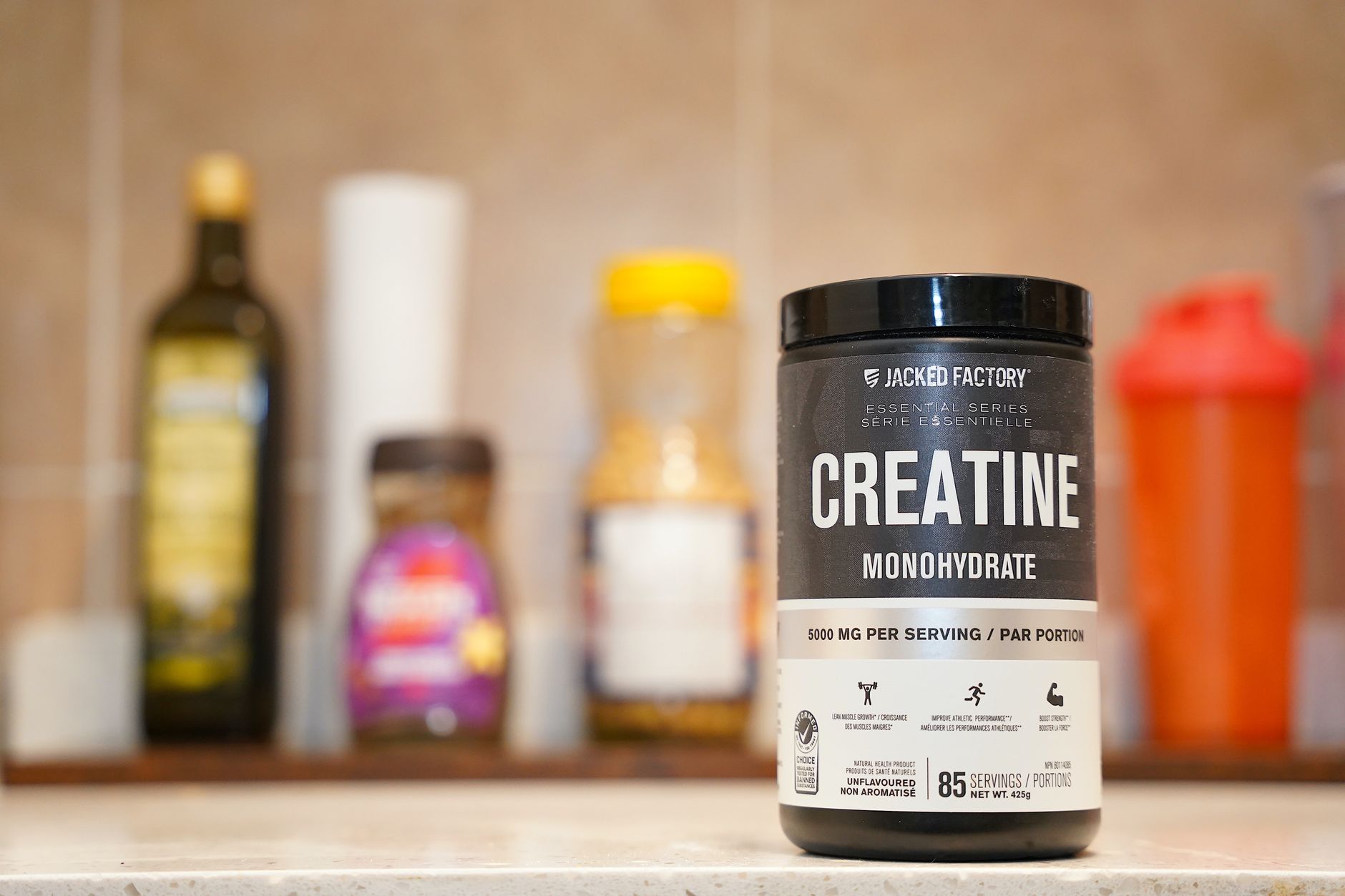
- Executive Function: NAD+ precursors (NMN/NR) combined with creatine monohydrate support prefrontal cortex function
The Journal of Cognitive Enhancement (2026) emphasizes that stacking success depends on individual neurochemistry—genetic variations in dopamine and acetylcholine pathways influence optimal compound selection.
Transcranial Stimulation Advances
Transcranial direct current stimulation (tDCS) and transcranial alternating current stimulation (tACS) represent cutting-edge cognitive biohacking. By 2026, home-use devices have become more accessible, with evidence supporting these approaches for learning acceleration and creative problem-solving. Research demonstrates 2.3x faster skill acquisition when combined with deliberate practice, particularly for motor learning and linguistic tasks.
Metabolic Health & Longevity Biomarkers
Epigenetic Age Reversal
Perhaps the most exciting 2026 innovation involves epigenetic modifications—changes affecting gene expression without altering DNA sequences. Research by Horvath and colleagues (2025) demonstrated that specific supplement combinations, exercise protocols, and dietary interventions can reduce biological age by 2-3 years annually, measurable through epigenetic clock analysis.
Key interventions include:
- Rapamycin microdosing (under medical supervision)
- High-dose polyphenol consumption (resveratrol, quercetin, EGCG)
- Intermittent fasting protocols (16-18 hour fasts)
- Resistance and aerobic exercise combinations
Advanced Blood Biomarker Tracking
2026 biohackers employ comprehensive biomarker panels monitoring 100+ parameters, tracked quarterly or semi-annually. Beyond standard metrics, attention focuses on:
- Inflammatory markers (hs-CRP, IL-6, TNF-α)
- Metabolic endotoxemia (LPS-binding protein)
- Mitochondrial function (citrate synthase activity)
- Senescent cell markers (p16, p21)
- Telomere length dynamics
This granular monitoring enables data-driven optimization, identifying which interventions produce measurable improvements specific to individual biology.
Practical Implementation: Building Your Biohacking Protocol
Phase 1: Foundation Assessment
Begin with comprehensive genetic testing and baseline biomarker analysis. Identify your unique metabolic profile, genetic predispositions, and current health status. This foundation prevents wasted effort optimizing irrelevant areas.
Phase 2: Single-Variable Testing
Implement one intervention at a time, tracking effects through objective biomarkers and subjective metrics. Maintain 4-6 week intervention periods before modification, allowing adequate time for physiological adaptation.
Phase 3: Stack Building
Once individual effectiveness is established, cautiously combine complementary interventions. Monitor for unexpected interactions and adjust based on biomarker response and subjective experience.
Safety Considerations & Critical Cautions
Biohacking, despite its scientific foundation, carries risks. Several important safety considerations:
- Drug-Supplement Interactions: Many biohacking supplements interact with medications. Inform healthcare providers about all interventions
- Genetic Variation Response: Responses to biohacking interventions vary significantly based on genetics; what works for one individual may be ineffective or harmful for another
- Dosing Precision: Many compounds show biphasic dose-response curves—higher doses don't necessarily produce better results and may cause harm
- Long-Term Safety Data: Some 2026 innovations (epigenetic modulators, transcranial stimulation) lack comprehensive long-term safety data
- Biological Individuality: Continuous glucose monitors, while useful, can promote anxiety and obsessive health focus in vulnerable individuals
Never implement biohacking protocols without medical supervision, particularly when involving pharmaceutical-grade interventions or significant dietary modifications.
Conclusion: Biohacking in 2026
By 2026, biohacking has matured into a sophisticated, evidence-informed practice. The most successful biohackers don't chase trends; instead, they implement personalized protocols grounded in genomics, biomarker tracking, and rigorous self-testing. True optimization requires understanding your unique biology—what enhances performance for your neighbor may be ineffective or harmful for you.
The future of biohacking emphasizes quantification, personalization, and integration with conventional medicine rather than replacement of it. By combining cutting-edge science with individual biological data, today's biohackers can make informed decisions about genuine performance enhancement and longevity optimization.
Medical Disclaimer: This article provides educational information only and should not replace professional medical advice. Before implementing any biohacking protocol, consult qualified healthcare providers, particularly if you have pre-existing conditions, take medications, or are pregnant/nursing. Biohacking interventions carry potential risks and may interact dangerously with existing treatments. Individual responses vary significantly; what benefits one person may harm another. This content reflects 2026 knowledge and may become outdated as research evolves. Always prioritize safety and evidence-based medicine over experimental self-optimization.