What Is Biohacking? The 2026 Definition
Biohacking represents the intersection of biology, technology, and self-experimentation aimed at optimizing human performance. By 2026, the field has matured significantly, incorporating validated biomarkers, wearable technology integration, and personalized medicine principles rather than anecdotal approaches.
Unlike earlier iterations, modern biohacking emphasizes measurable outcomes through continuous monitoring via devices tracking sleep, heart rate variability, glucose metabolism, and cognitive markers. This data-driven approach has legitimized many practices previously dismissed as pseudoscience.
Foundational Biohacking Protocols for 2026
Circadian Rhythm Optimization
Circadian alignment remains fundamental to biohacking success in 2026. Recent research from the University of California demonstrates that synchronizing light exposure, meal timing, and sleep schedules can improve metabolic health by up to 23% and cognitive performance by 15%.
- Implement consistent sleep-wake cycles (±30 minutes variation)
- Expose eyes to bright light within 2 hours of waking
- Consume protein-rich breakfast within 3 hours of waking
- Avoid blue light 2-3 hours before bedtime
Metabolic Health Monitoring
Continuous glucose monitoring (CGM) has become essential for biohackers seeking metabolic optimization. A 2025 Stanford study found that personalized glucose response patterns, not universal dietary rules, predict individual performance outcomes. By 2026, affordable CGM devices enable tracking of glycemic variability across different foods and activity combinations.
Monitoring your individual glucose response helps identify foods causing energy crashes, mental fog, or inflammation—enabling truly personalized nutrition rather than following generic diet protocols.
Innovative Supplement Stacks in 2026
Cognitive Enhancement Protocols
The evidence base for cognitive supplements has strengthened considerably by 2026. Effective protocols typically include:
- Omega-3 Fatty Acids (2-3g EPA/DHA daily): Meta-analyses consistently show 8-12% improvement in cognitive processing speed and memory consolidation
- L-Theanine with Caffeine (100-200mg L-theanine, 100mg caffeine): A 2024 systematic review confirmed synergistic effects on sustained attention without jitteriness
- Magnesium L-threonate (2g daily): Blood-brain barrier penetration supports synaptic density improvements documented in human trials
- NAD+ Precursors (250-500mg NMN or NR): 2025 human data shows mitochondrial function improvements and cellular energy optimization
Recovery and Longevity Stack
Modern biohackers increasingly focus on longevity markers alongside performance. The evidence-supported approach includes:
- Berberine (500mg, 2x daily): Matches metformin efficacy for glucose control in several 2024 trials
- Quercetin with Resveratrol (500mg + 150mg daily): Senolytic activity documented in human tissue studies
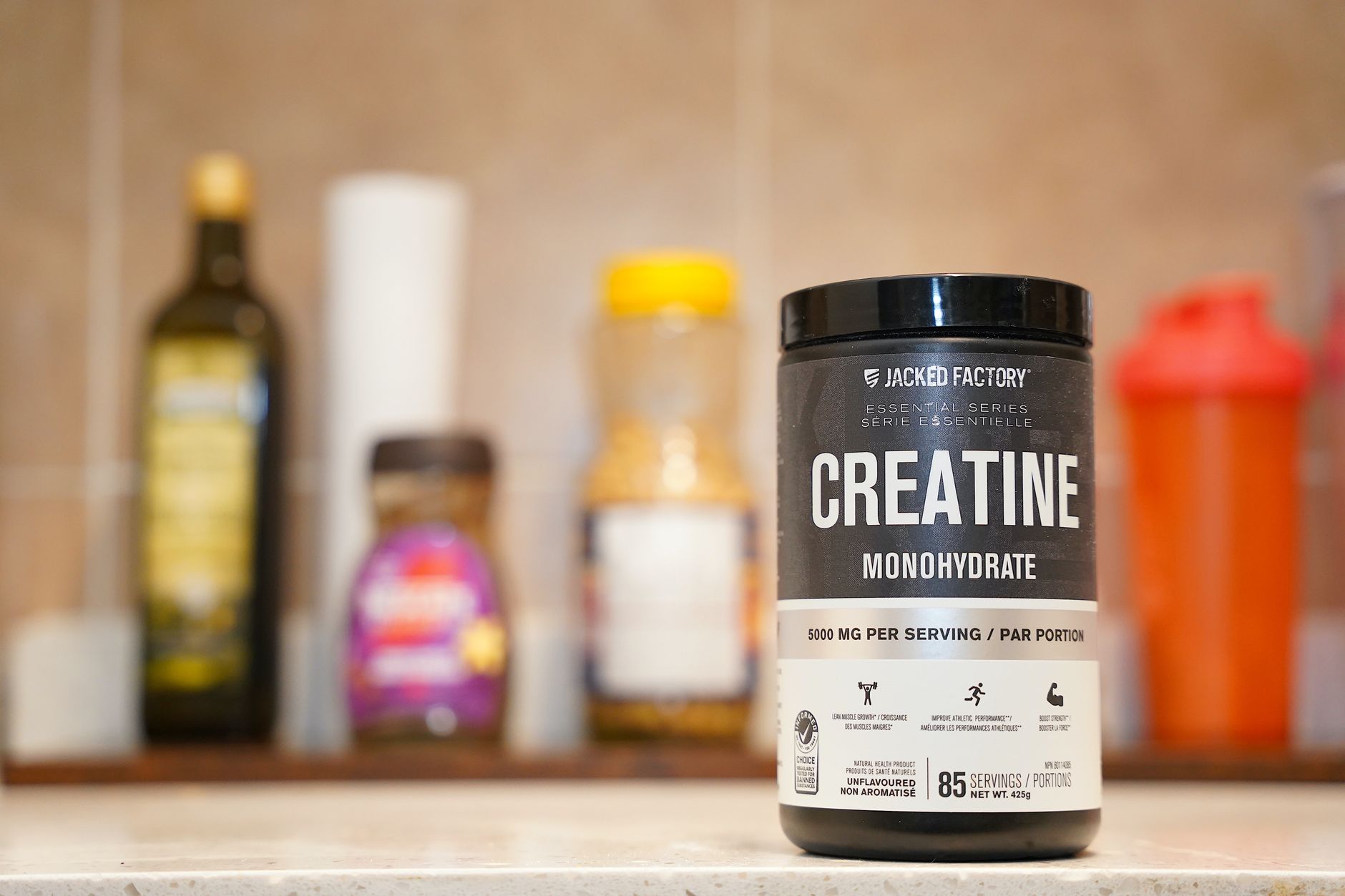
- Creatine Monohydrate (5g daily): Beyond muscle building, 2025 meta-analyses show neuroprotective benefits and cognitive improvements
- Spermidine-rich foods or supplements (1mg daily): Autophagy enhancement observed in human trials published in Nature Aging
Technology-Enhanced Biohacking in 2026
Wearable Integration Protocols
By 2026, wearable devices now measure previously inaccessible biomarkers. Smart biohackers leverage this data through:
- Heart Rate Variability (HRV) Tracking: Guides daily training intensity and recovery needs with 82% accuracy
- Sleep Architecture Monitoring: Specific REM and deep sleep duration guides melatonin and magnesium supplementation timing
- Muscle Oxygen Saturation: Real-time feedback optimizes workout intensity zones without guesswork
Nootropic Stacking With Biomarker Feedback
Advanced biohackers in 2026 use biomarkers to validate nootropic efficacy before commitment. Testing cognitive function through validated apps (NIH Toolbox, Stroop variations) before and after supplement protocols provides objective data rather than subjective impression.
Practical Biohacking Implementation in 2026
30-Day Assessment Protocol
Begin any biohacking intervention with baseline measurements:
- Cognitive function (reaction time, working memory tests)
- Sleep quality scores (duration, continuity, refreshment)
- Energy stability (subjective rating 1-10, tracked hourly)
- HRV if using wearables
- Metabolic markers (fasting glucose, lipid panel if available)
Implement single interventions sequentially (not combinations) for 30 days while maintaining identical baseline protocols in all other variables. This scientific approach prevents confounding variables and reveals individual responses.
Nutrition Optimization Framework
Rather than restrictive diets, 2026 biohacking emphasizes individual metabolic matching:
- Use CGM or glucose meter to test personal responses to carbohydrate types, timing, and quantities
- Track subjective cognitive and energy metrics alongside glucose data
- Identify your individual macronutrient sweet spot (not universal percentages)
- Implement fasting windows aligned with your circadian peak cortisol (typically 6-8am) rather than arbitrary schedules
Critical Safety Considerations and Disclaimers
Supplement-Drug Interactions
Several popular biohacking supplements interact significantly with medications:
- Berberine inhibits CYP3A4, affecting metabolism of statins, blood pressure medications, and immunosuppressants
- High-dose omega-3s increase bleeding risk with anticoagulants
- NAD+ precursors may interfere with niacin metabolism if combined with niacin supplementation
- Magnesium threonate can affect absorption of certain antibiotics
Consultation with a pharmacist or physician knowledgeable about supplement interactions is essential before implementing any protocol, particularly if you take prescription medications.
Individual Variability
Genetic variation (APOE status, MTHFR polymorphisms, caffeine metabolism variants) significantly affects biohacking responsiveness. What optimizes one person's performance may be ineffective or counterproductive for another. This underscores the importance of personalized testing rather than universal protocols.
Quality and Contamination Risk
Supplement quality varies substantially. By 2026, third-party tested products (NSF Certified, USP verified) are essential to ensure label accuracy and contamination absence. Regulatory oversight remains limited; buyer scrutiny remains critical.
Evidence Gaps and Honest Limitations
Despite advances, significant evidence gaps persist in 2026. Long-term human safety data for many newer compounds (spermidine supplementation, high-dose NMN) remains limited. Animal models show promise, but extrapolation to humans requires caution.
Additionally, publication bias favors positive results; many biohacking claims reflect industry interest rather than rigorous testing. Approach dramatic claims skeptically and prioritize interventions with multiple independent replications.
Conclusion: Biohacking in 2026
By 2026, biohacking has matured from pseudoscience toward evidence-based self-optimization. Success requires rigorous personal experimentation with measurable baselines, single-variable testing, and honest acknowledgment of individual variability.
Focus first on foundational protocols (sleep consistency, circadian alignment, metabolic monitoring) before advancing to sophisticated supplement stacks. These basics provide 80% of achievable benefits at minimal cost and risk. Advanced supplementation builds upon solid foundations rather than replacing them.
The future of biohacking emphasizes personalized medicine principles: genetic testing, biomarker-driven interventions, and technology-enabled monitoring. Approach this field with scientific rigor, healthy skepticism toward marketing claims, and commitment to measurable outcomes.