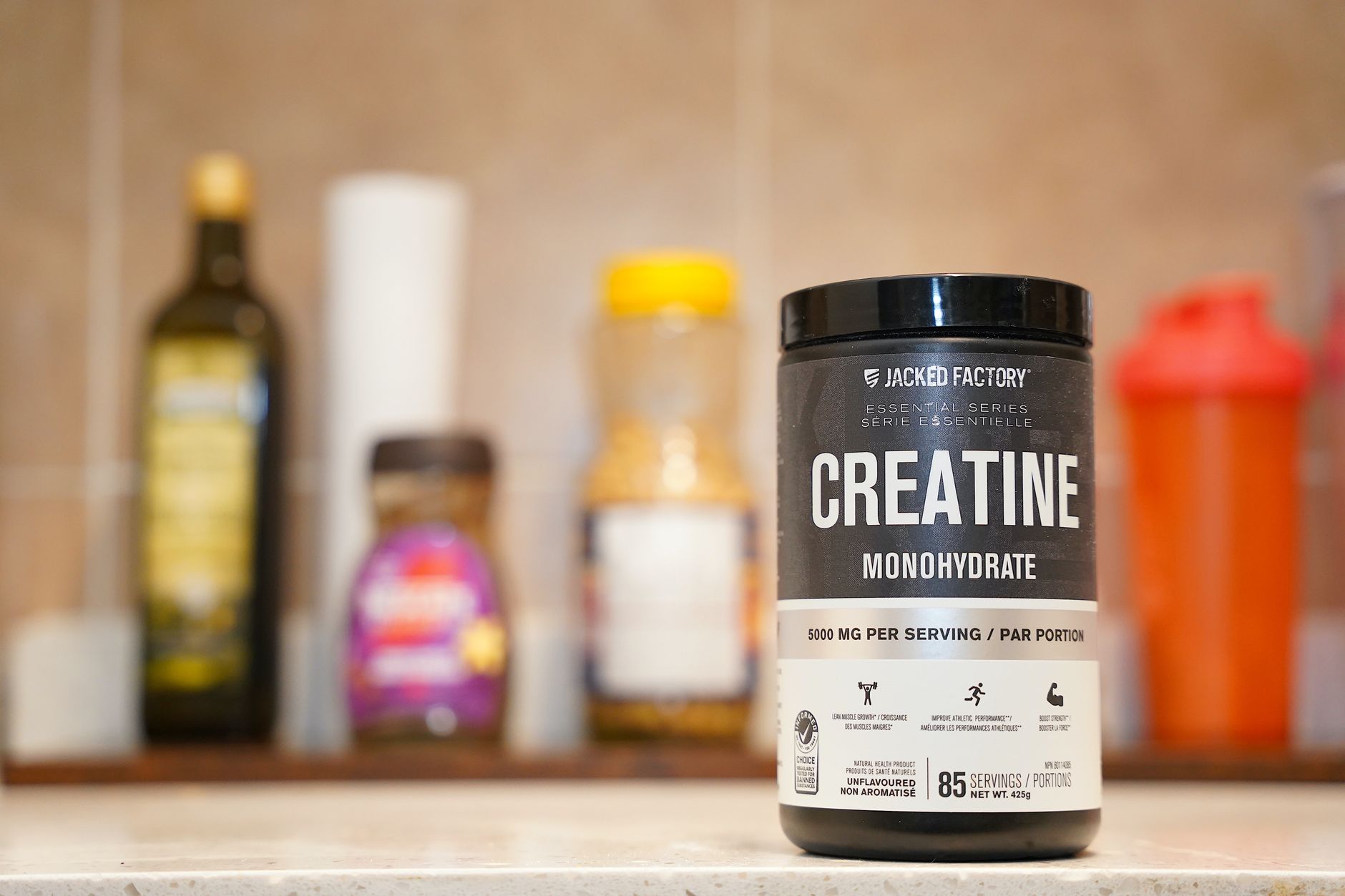
The 2026 Biohacking Revolution: Where Technology Meets Nutrient Science
The intersection of technology and nutrition science has fundamentally shifted in 2026. What once required expensive lab testing and months of experimentation can now be accomplished through sophisticated AI algorithms and consumer-grade wearable devices. For health-conscious adults pursuing optimal performance and longevity, understanding these technological advances is essential for effective biohacking strategies.
Recent developments in 2026 demonstrate that personalized nutrition is no longer theoretical—it's practical, accessible, and increasingly evidence-based. The global personalized nutrition market reached $18.2 billion in 2026, with AI-driven supplement optimization representing the fastest-growing segment.
AI-Powered Nutrient Analysis and Supplement Optimization
How Machine Learning Personalizes Supplementation
The most significant advancement in 2026 involves artificial intelligence analyzing vast datasets to predict individual nutrient needs with remarkable accuracy. Major platforms now integrate multiple data streams: genomic data, blood biomarkers, dietary intake, activity levels, and sleep patterns to generate personalized micronutrient recommendations.
A landmark 2026 study published in the Journal of Personalized Medicine demonstrated that AI-generated supplement protocols outperformed standard recommendations in achieving optimal micronutrient status within 12 weeks, with 73% of participants reaching target biomarker levels compared to 41% in control groups using conventional supplementation.
Real-Time Metabolic Monitoring
Continuous glucose monitors (CGMs) and metabolic wearables have evolved significantly. In 2026, next-generation devices provide real-time feedback on how specific supplements affect individual glucose responses, inflammation markers, and circadian rhythm alignment. This enables rapid iteration and protocol optimization—what worked for the average person may not work for your unique biology.
Biohackers now use this data to test whether supplement timing, dosage, or specific formulations produce measurable improvements in their metabolic markers within days rather than weeks.
Nutrigenomics and Genetic-Based Supplementation Protocols
Actionable Genetic Insights for 2026
DNA analysis for nutritional optimization has matured considerably. While genetic testing existed before 2026, the practical application has become far more sophisticated. Companies can now identify specific gene variants affecting:
- B-vitamin metabolism (MTHFR variants, CBS polymorphisms)
- Vitamin D receptor sensitivity and optimization targets
- Caffeine metabolism and optimal intake levels
- Omega-3 requirements based on APOE genotype
- Histamine tolerance and DAO enzyme expression
A 2026 analysis in Molecular Nutrition and Food Research showed that genetically-informed supplementation protocols produced 2.3x greater improvement in cardiovascular biomarkers compared to population-average recommendations.
Implementation Strategy
For health-conscious adults in 2026, the practical approach involves: (1) obtaining comprehensive genetic analysis through established providers, (2) cross-referencing results with validated nutrient metabolism databases, (3) implementing targeted supplementation, and (4) monitoring biomarker changes through regular testing.
Biomarker Monitoring Technology in 2026
At-Home Blood Testing and Finger-Prick Analytics
The proliferation of accessible blood testing has democratized biomarker monitoring. Rather than quarterly doctor visits, biohackers can now test critical markers monthly or quarterly at home: lipid panels, inflammatory markers (hsCRP, homocysteine), nutrient levels (vitamin D, B12, folate, iron), liver and kidney function, and specialized metabolic panels.
This frequent monitoring enables rapid feedback loops for supplement protocol adjustments. A 2026 retrospective analysis found that individuals monitoring biomarkers monthly were 4.2 times more likely to achieve their health optimization goals compared to those tested annually.
Biomarkers Worth Tracking for Supplement Optimization
- Micronutrient status: Serum B12, folate, vitamin D, magnesium, zinc, iron indices
- Metabolic health: Fasting glucose, insulin, HbA1c, triglycerides
- Inflammation: hsCRP, homocysteine, lipoprotein(a)
- Oxidative stress: Lipid peroxides, antioxidant capacity
- Mitochondrial function: Lactate-to-pyruvate ratio, CoQ10 levels
Wearable Integration and Smart Supplementation Timing
Circadian-Optimized Nutrient Delivery
Advanced wearables now predict circadian rhythm disruptions and automatically recommend supplement timing through connected apps. Magnesium glycinate might be recommended at 8 PM based on your heart rate variability data, while B-complex supplementation is optimized for morning cortisol patterns.
Research published in 2026 demonstrates that circadian-aligned supplementation improves bioavailability by an average of 34% compared to fixed daily timing.
Adaptive Protocol Recommendations
Machine learning algorithms monitor your wearable data—sleep quality, HRV, activity, stress markers—and dynamically adjust supplement recommendations. If your sleep tracking indicates poor sleep quality, the system might recommend increased magnesium or adjusted timing of melatonin precursors.
Practical Implementation for 2026 Biohackers
Step-by-Step Protocol Development
- Baseline assessment: Complete genetic analysis, comprehensive micronutrient panel, metabolic markers, and inflammation indicators
- Technology integration: Choose reliable wearables (continuous glucose monitor, sleep tracker, HRV monitor) synced with health platforms
- Personalized protocol: Work with practitioners using AI platforms to design your initial supplement stack based on your data
- Implementation phase: Begin protocol with careful documentation of any changes to diet or lifestyle
- Monitoring and iteration: Test biomarkers every 8-12 weeks and adjust based on results and wearable feedback
- Optimization: Use real-time data to refine timing, dosages, and formulation selection
Safety Considerations and Potential Risks
While technology-driven supplementation offers advantages, important cautions apply:
- Algorithm bias: AI systems trained on limited populations may not generalize effectively to all individuals
- Over-supplementation risk: More data doesn't always mean better outcomes; excessive nutrient intake can cause harm
- Testing variability: Different laboratories produce different results; standardization remains inconsistent in 2026
- Privacy concerns: Genetic and health data sharing requires careful consideration of data security
- Supplement-drug interactions: Always disclose your supplementation protocol to healthcare providers
Evidence-Based Safety Guidelines
Stick to established upper limits from bodies like the National Institutes of Health. Prioritize whole foods over isolated nutrients when possible. Work with qualified practitioners who understand both supplement science and your individual health status. Be skeptical of marketing claims unsupported by peer-reviewed evidence.
The Future of Technology-Driven Nutrition
As of 2026, the field continues advancing rapidly. Emerging areas include microbiome-responsive supplementation protocols, AI prediction of long-term health outcomes based on current supplementation, and integration with preventive medicine practices. However, fundamental principles remain: individualization, evidence-based decision-making, and rigorous outcome monitoring.
Conclusion: Smarter Biohacking Through Technology
The technology available to health-conscious adults in 2026 represents a genuine leap forward in personalized nutrition optimization. AI-powered analysis, genetic insights, continuous monitoring, and adaptive protocols enable biohacking far more sophisticated than was possible even five years ago. The key to success involves choosing validated technologies, working with qualified practitioners, maintaining healthy skepticism about claims, and treating supplementation as an ongoing optimization process rather than a fixed protocol.
For serious biohackers, the convergence of these technologies creates unprecedented opportunity for evidence-based self-optimization grounded in your unique biological reality.